

Crazy Cladding Stone
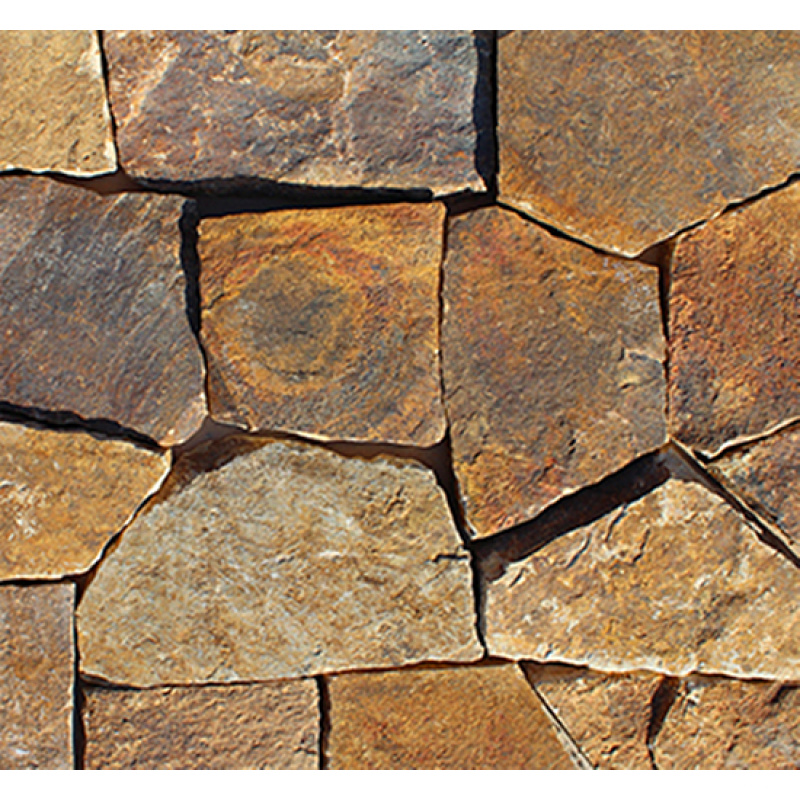
This curated selection of premium stones offers versatile solutions for both interior and exterior design. Castle stone provides a timeless, structured aesthetic with its refined edges, ideal for formal architectural features. Irregular stone celebrates organic beauty through its untamed shapes, perfect for creating naturalistic landscapes. Flamed sandstone paving delivers a textured, slip-resistant surface with earthy warmth, while loose stone cladding introduces depth and movement to vertical surfaces through its artfully fragmented composition.
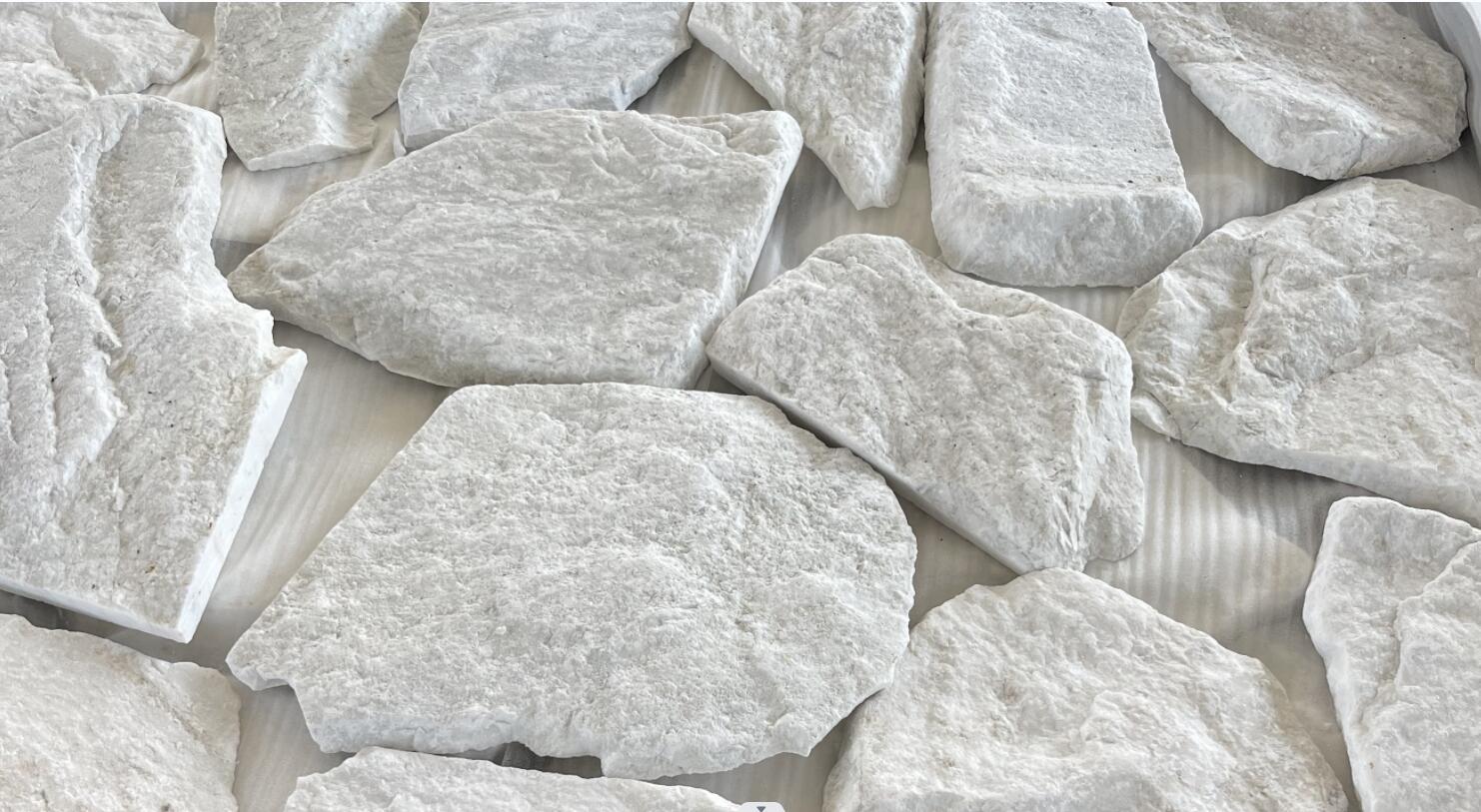
Quartzite stone stands out for its exceptional durability and luminous veining, making it a sophisticated choice for high-traffic areas. White paving stones lend spaces a bright, contemporary elegance, contrasting beautifully with the dramatic sophistication of black slate, known for its fine grain and moody sophistication. Rustic stone captures the raw charm of time-worn textures, bringing organic character to modern designs.
Each stone type is meticulously sourced and finished to balance aesthetic appeal with functional performance, whether for pathways, facades, or decorative accents. These materials harmonize natural resilience with design flexibility, allowing architects and homeowners to craft spaces that feel both grounded and inspired. The collection embodies the intersection of nature's artistry and human craftsmanship, offering enduring solutions for projects where beauty and practicality converge.
what is flamed granite?
Flamed granite is a natural stone surface treated with intense heat to create a rough, textured finish. This process involves exposing the granite to high-temperature flames, causing the crystals to fracture and form a non-slip, weathered appearance. The technique enhances the stone's durability while preserving its natural color variations, making it ideal for outdoor applications like paving and facades where slip resistance is crucial. Unlike polished granite, flamed granite retains a rustic, matte aesthetic while maintaining weather resistance.
what are the different types of cladding?
Cladding refers to exterior building layers designed for protection and aesthetics. Common systems include stone veneers (natural or engineered), metal panels (aluminum or steel), composite materials, and high-pressure laminates. Each type offers unique benefits in terms of insulation, weatherproofing, and design flexibility. Modern cladding solutions often integrate thermal efficiency and sustainable properties, balancing functionality with architectural appeal. The choice depends on structural requirements, climate conditions, and desired visual impact.
what is the difference between flagstone and pavers?
Flagstone is natural sedimentary rock split into irregular slabs, prized for its organic look and durability in landscaping. Pavers are uniformly shaped units (concrete, brick, or stone) designed for precise installation. Flagstone offers a rustic, uneven surface with natural texture, while pavers provide a modular, level finish for structured designs. Flagstone requires more skill to install due to its irregularity, whereas pavers allow faster, more consistent layouts. Both are weather-resistant but differ in maintenance and aesthetic outcomes.
 africanu
 Albanese
 Amaricu
 Arabu
Arabu Armenu
 Azerbaijani
 Vascu
Vascu Belarusian
 Bengali
  Bosniacu
 Bulgaru
 Catalanu
 Cebuanu
 Cina
Cina Cina (Taiwan)
 Corsu
Corsu Cruatu
 Ceccu
Ceccu Danese
 Ulandesa
 Inglese
 Esperantu
 Estone
 Finlandese
 Francese
 frisone
 Galizianu
 Georgianu
 Tedescu
 Grecu
Grecu Gujarati
 Creolu Haitianu
 Hausa
Hausa Hawaiianu
 Ebraicu
 Innò
Innò Miao
Miao Ungherese
 Islandesu
 igbo
igbo Indonesianu
 Irlandese
 Talianu
 Ghjappunese
 Giavanese
 Kannada
 Kazakh
 Khmer
Khmer Rwanda
 Coreanu
 Curdu
Curdu Kyrgyz
 TB
TB Latinu
 Lettone
 Littuanianu
 Lussemburghese
 Macedone
 Malgashi
 Malese
 Malayalam
 Maltese
 Maori
Maori Marathi
 Mongolianu
 Birmania
 Nepalese
 Novegese
 Novegese
 Occitanu
 Pashto
 Persianu
 Pulaccu
 Portughese
  Punjabi
 Rumenu
 Russu
Russu Samoanu
 gaelicu scozzese
 Serbianu
 Inglese
 Shona
Shona Sindhi
 Sinhala
 Sluvaccu
 Sluvenu
 Somalianu
 Spagnolu
 Sundanese
 Swahili
 Svedese
 Tagalog
 Tajik
Tajik Tamil
Tamil Tatar
Tatar Telugu
 Thai
Thai Turcu
Turcu Turchmennu
 Ucrainu
 Urdu
Urdu Uighur
 Uzbek
Uzbek vietnamita
 gallese