

Piedra súper delgada
Thin stone and thin stone veneer offer innovative, lightweight alternatives to traditional masonry, combining the authentic beauty of natural stone with practical installation benefits. These precision-cut materials provide the elegance of full-depth stone at a fraction of the weight, making them ideal for both structural and decorative applications where load capacity is a concern. Natural stone cladding captures the timeless appeal of quarried stone, bringing organic texture and depth to building facades and interior feature walls.
Specialized stone veneer companies have revolutionized surfacing solutions by developing engineered products that replicate natural stone's visual characteristics while enhancing durability and weather resistance. These manufacturers utilize advanced fabrication techniques to create consistent, high-performance cladding systems suitable for diverse architectural styles—from rustic to contemporary.
What Different Stone Veneer Pieces Are Available?
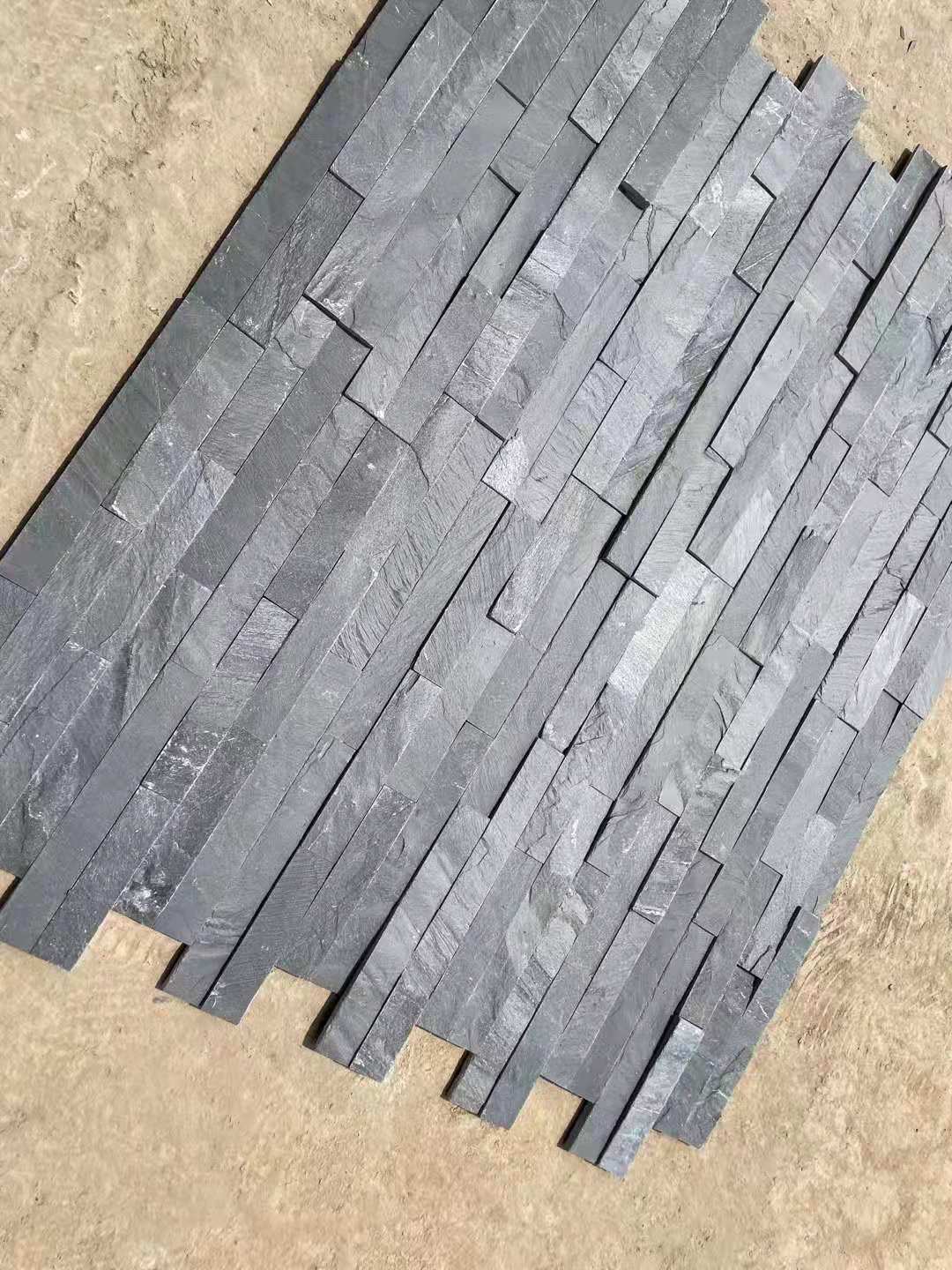
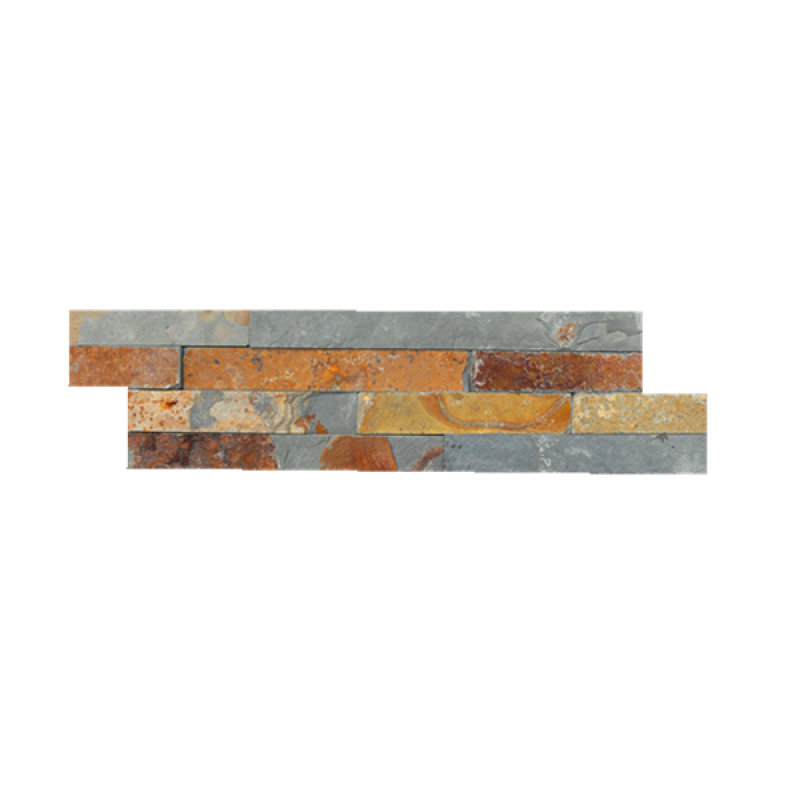
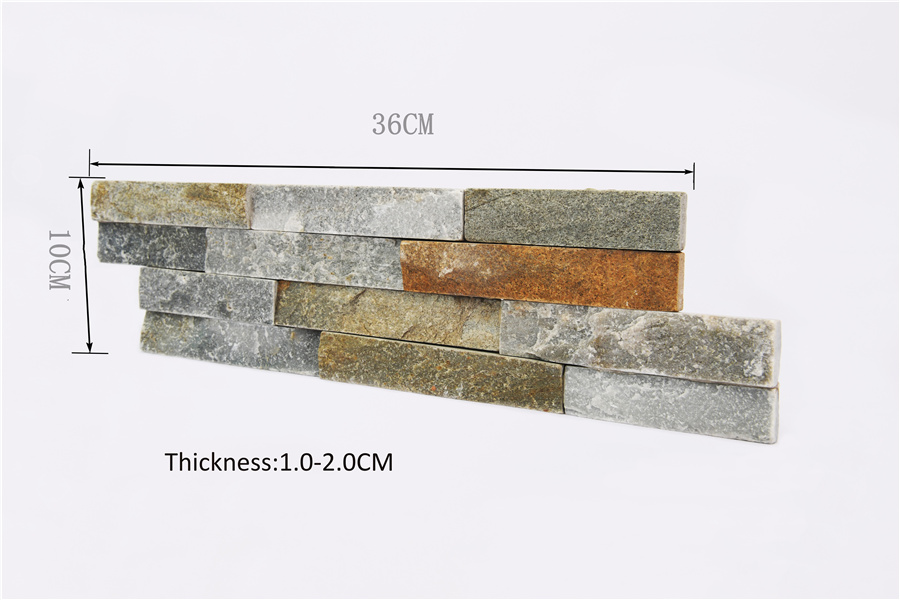
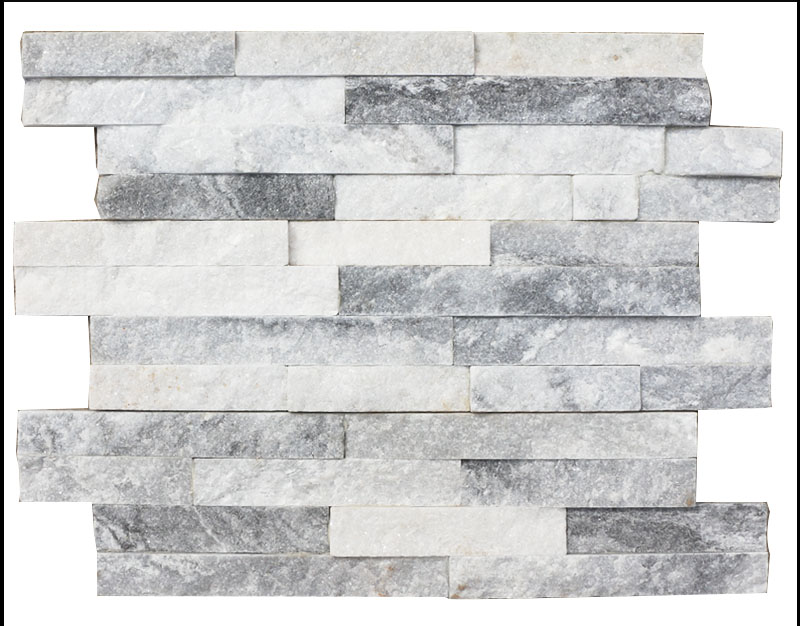
Stone veneer pieces come in a diverse range of styles, textures, and sizes to accommodate various design visions and functional needs. These include flat panels designed for seamless wall coverage, corner pieces specifically crafted for clean edges and transitions, and irregularly shaped units that replicate the organic look of natural stone formations. Some veneers mimic specific stone types like fieldstone or limestone, while others offer contemporary geometric patterns for modern aesthetics. The pieces vary in thickness, with some designed to resemble chiseled rock faces and others presenting smoother, refined surfaces. Specialty shapes like keystones or caps are available for architectural detailing around windows, arches, or fireplaces. The variety extends to color palettes as well, from earthy neutrals to bold mineral tones, ensuring compatibility with any design scheme. Manufacturers often provide coordinating pieces to create cohesive looks across entire projects, blending functionality with artistic flexibility.
What is the Difference Between Thin Stone Veneer and Full Veneer Stone?
The distinction between thin and full veneer stone primarily lies in their thickness, weight, and installation requirements. Thin stone veneer typically ranges from 1/2 inch to 2 inches thick, making it significantly lighter and more versatile for both interior and exterior applications where weight is a concern. It's often installed with specialized adhesives over appropriate substrates, requiring less structural support. Full veneer stone, by contrast, measures 3 to 5 inches thick and more closely resembles traditional masonry in both appearance and installation methods. This heavier option demands proper footings and mortar-based installation similar to full-bed stone walls. While thin veneer offers easier handling and broader application possibilities, full veneer provides greater depth and a more substantial, traditional stonework appearance. The choice between them depends on structural considerations, desired aesthetic depth, and project specifications regarding load-bearing capacity.
What is the Difference Between Veneer Stone and Natural Stone?
Veneer stone and natural stone differ fundamentally in their composition, production, and application characteristics. Veneer stone refers to manufactured products designed to replicate the appearance of natural stone, typically created from concrete, pigments, and aggregates that are molded and textured to mimic various stone varieties. These engineered alternatives offer greater consistency in color and shape while being lighter in weight. Natural stone, quarried directly from the earth, provides completely authentic geological variations in color, veining, and texture that cannot be perfectly duplicated. While veneer stone often incorporates additives for enhanced durability and weather resistance, natural stone possesses inherent strength and unique mineral characteristics developed over millennia. Installation methods also vary, with veneer stone frequently designed for simpler application systems compared to natural stone's more demanding handling requirements. The choice between them balances factors like budget, weight restrictions, desired authenticity, and maintenance considerations, with veneer stone offering practical advantages and natural stone providing unmatched geological authenticity.
 africano
 albanés
 amárico
 Arábica
 armenio
 azerbaiyano
 vasco
vasco bielorruso
 bengalí
  bosnio
 búlgaro
 catalán
 cebuano
 Porcelana
 China (Taiwán)
 corso
corso croata
 checo
checo danés
danés Holandés
 Inglés
 esperanto
 estonio
 finlandés
 Francés
 frisio
 gallego
 georgiano
 Alemán
 Griego
 gujarati
 criollo haitiano
 hausa
hausa hawaiano
 hebreo
 No
No Miao
Miao húngaro
 islandés
 igbo
igbo indonesio
 irlandesa
 italiano
 japonés
 javanés
 canarés
 kazajo
 jemer
jemer ruandés
 coreano
 kurdo
kurdo Kirguistán
 tuberculosis
 latín
latín letón
letón lituano
 luxemburgués
 macedónio
 Malgashi
 malayo
 malayalam
 maltés
 maorí
maorí marathi
 mongol
 Birmania
 nepalí
 noruego
 noruego
 occitano
 pastún
 persa
persa Polaco
 portugués
  punjabi
 rumano
 ruso
ruso samoano
 gaélico escocés
 serbio
 Inglés
 Shona
Shona Sindhi
 cingalés
 eslovaco
 esloveno
 somalí
 Español
 sundanés
 swahili
 sueco
sueco tagalo
 tayiko
 Tamil
Tamil tártaro
 telugu
 tailandés
 turco
turco turcomano
 ucranio
 urdu
urdu uigur
uigur uzbeko
 vietnamita
 galés
galés