

Kruus ja kivikivi
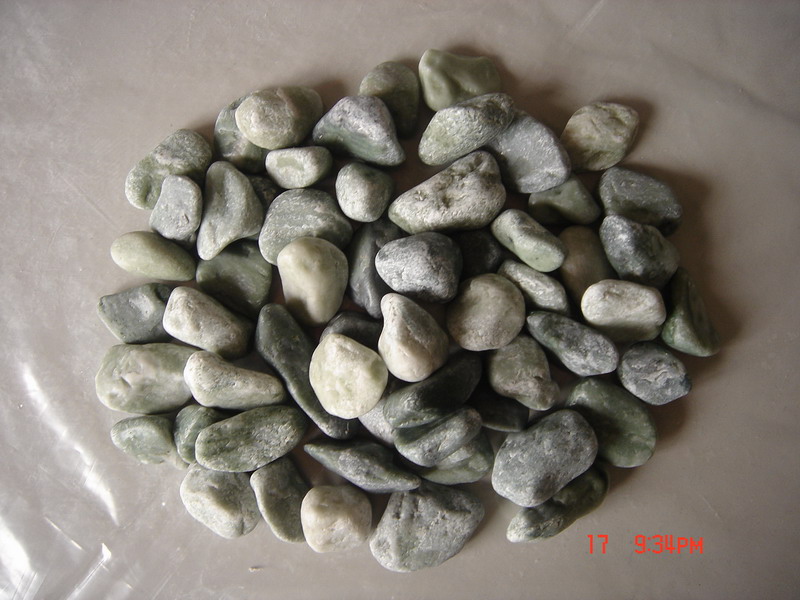
These natural stone solutions elevate outdoor spaces with both functionality and aesthetic charm. Pebbles for gardens offer smooth, rounded textures perfect for creating serene dry riverbeds, Zen-inspired pathways, or decorative borders around plants. Their water-worn surfaces and varied earthy tones bring organic elegance to any landscape design.
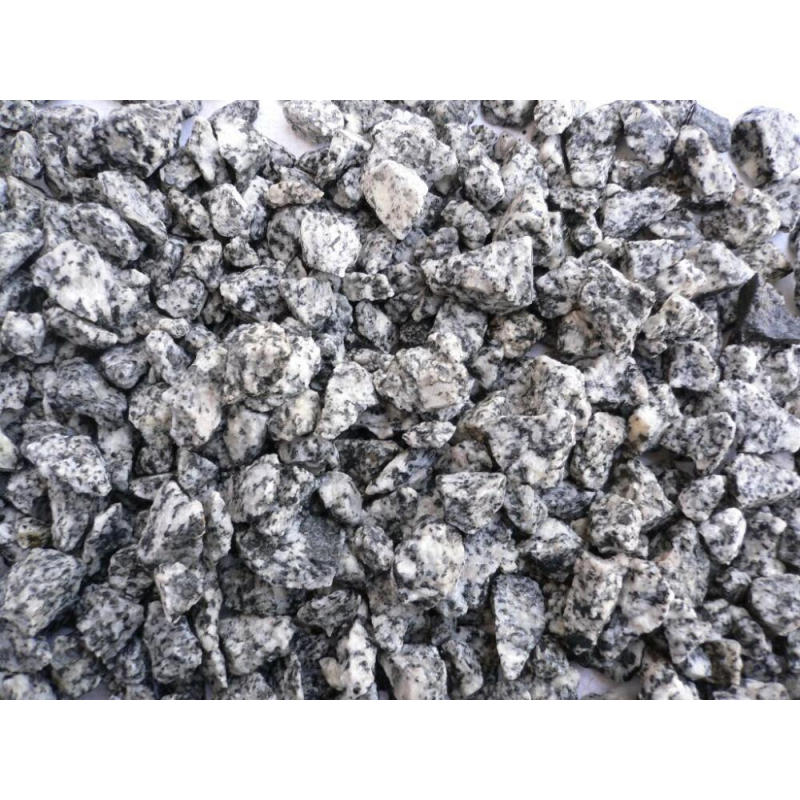
Gravel stone serves as a versatile workhorse material, ideal for constructing permeable driveways, drainage-friendly walkways, or low-maintenance ground cover. Its excellent compaction properties ensure stability while allowing rainwater infiltration. From fine crushed gravel for contemporary courtyards to chunky varieties for rustic appeal, it balances practicality with natural beauty.
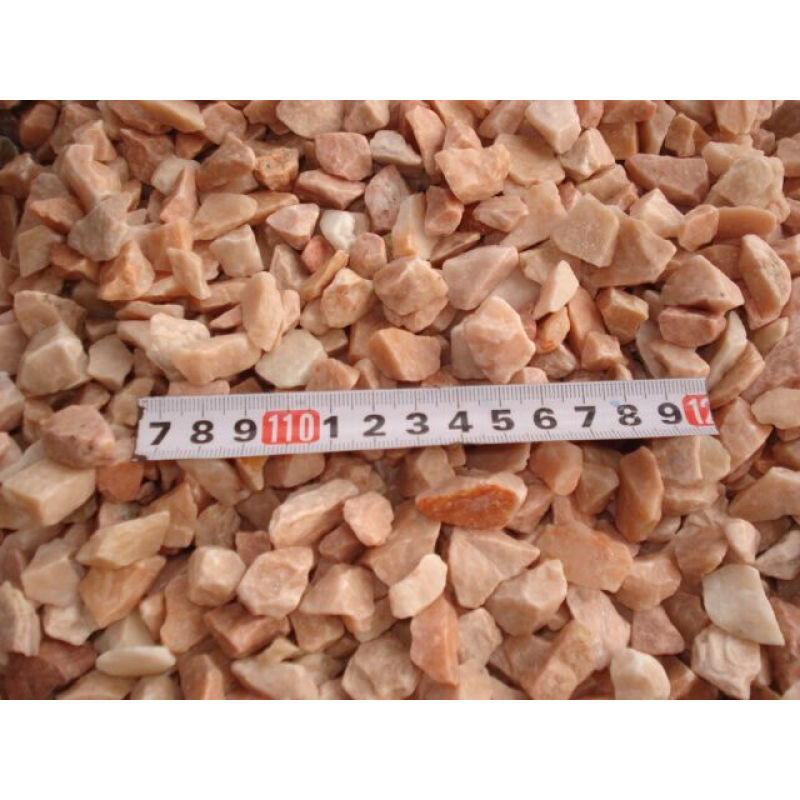
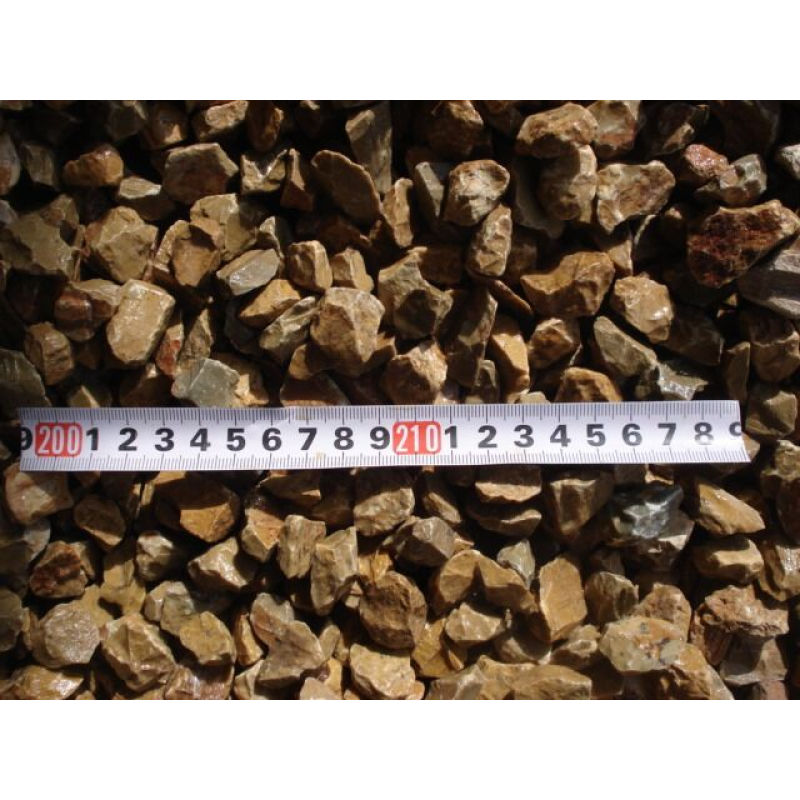
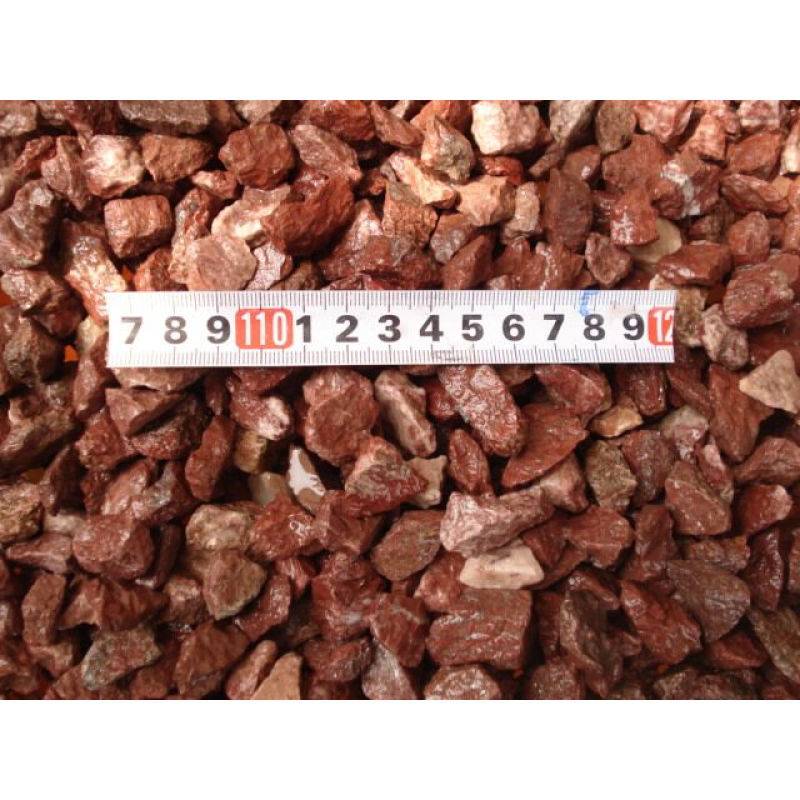
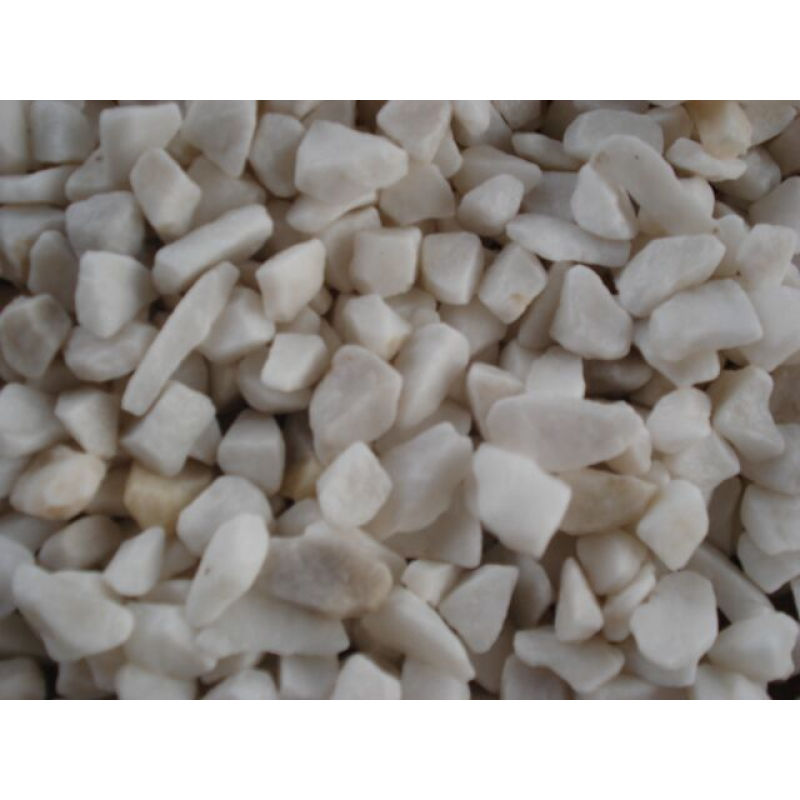
Decorative stones for gardens provide endless creative possibilities, available in colors ranging from warm terracotta hues to cool granite grays. These stones act as natural mulch, suppressing weeds while regulating soil temperature and moisture.
What is gravel used for?
Gravel serves as a versatile material in both practical and aesthetic applications across construction and landscaping. Functionally, it forms the base for roads, driveways, and walkways due to its excellent drainage properties and load-bearing capacity. In landscaping, gravel creates low-maintenance pathways, decorative ground cover, and effective weed barriers in gardens. Its permeability makes it ideal for French drains and erosion control on slopes. Aquarists and water feature designers use smooth varieties like pea gravel for naturalistic bottoms in ponds or fountains. Construction projects rely on crushed gravel as a key component in concrete mixtures and utility trench backfill. The material's sound-absorbing qualities also benefit areas requiring noise reduction, such as along railways. From utilitarian uses to design elements, gravel's adaptability stems from its varied sizes, natural drainage, and structural stability when compacted.
What are the types of gravel stone?
Gravel stone varies significantly based on geological origin, size, and processing method. Natural options include river rock, smoothed by water erosion into rounded forms ideal for decorative use, and crushed stone quarry gravel with angular edges that interlock for stability in construction. Specialty types like pea gravel offer uniformly small, polished stones for comfortable foot traffic areas, while decomposed granite provides a finer. Lava rock gravel lends porous lightness and striking colors to landscapes, whereas marble chips deliver bright reflectivity for ornamental beds. Base materials like road base gravel combine crushed stone with fines to create a solid, load-bearing foundation. Each type balances aesthetic qualities like color and texture with functional characteristics such as drainage speed, compaction ability, and resistance to displacement.
What do you put under decorative gravel?
Proper subsurface preparation ensures decorative gravel remains attractive and functional over time. A robust foundation typically begins with landscape fabric, which suppresses weeds while allowing water permeability. For high-traffic areas or vehicle weight, a compacted base layer of crushed stone or coarse gravel provides stability and prevents sinking. Edging materials like metal strips or stone borders help contain the gravel and maintain clean lines. In wet climates or poor-draining soils, adding a perforated drainage pipe beneath the base layer prevents water pooling. For pathways, some designs incorporate a sand leveling layer above the base to facilitate precise gravel placement. The specific underlayment strategy depends on the gravel size, intended use, and soil conditions—with proper installation preventing mixing with underlying soil and reducing long-term maintenance. This layered approach preserves the gravel's visual appeal while enhancing its durability and drainage performance.
 Aafrika
 albaanlane
 amhari
 araabia keel
 armeenlane
 Aserbaidžaan
 baski keel
 valgevenelane
 bengali
  bosnia keel
 bulgaaria keel
 katalaani
 Cebuano
 Hiina
Hiina Hiina (Taiwan)
 Korsika
 Horvaatia
 tšehhi
 taani keel
 hollandi keel
 Inglise
 esperanto
 eesti keel
 soome keel
 prantsuse keel
 friisi keel
 Galicia
 Gruusia keel
 saksa keel
 kreeka keel
 gudžarati
 Haiti kreool
 hausa
hausa havai
havai heebrea keel
 Ei
Ei Miao
Miao ungari
 islandi
 igbo
igbo Indoneesia
 iirlane
 itaalia keel
 Jaapani
 jaava keel
 kannada
 kasahhi
 khmeerid
 Rwanda
 korea keel
 kurdi
kurdi kirgiisi
 TB
TB ladina keel
 lätlane
 Leedu
Leedu Luksemburgi keel
 makedoonlane
 Malgashi
 malai
malai malajalami
 malta keel
 maoorid
 marati
 mongoli keel
 Myanmar
 Nepali
 norra keel
 norra keel
 oksitaan
 puštu
puštu pärslane
 poola keel
 portugali keel
  pandžabi
 rumeenlane
 vene keel
 Samoa
Samoa šoti gaeli keel
 serblane
 Inglise
 Shona
Shona Sindhi
 singali keel
 slovaki
 Sloveenia
 Somaalia
 hispaania keel
 sundalane
 suahiili keel
 rootsi keel
 tagalog
 tadžiki
 tamili keel
 tatarlane
 telugu
 Tai
Tai türgi keel
 türkmeen
 ukrainlane
 urdu
urdu uiguurid
 usbeki
 vietnamlane
 kõmri
kõmri