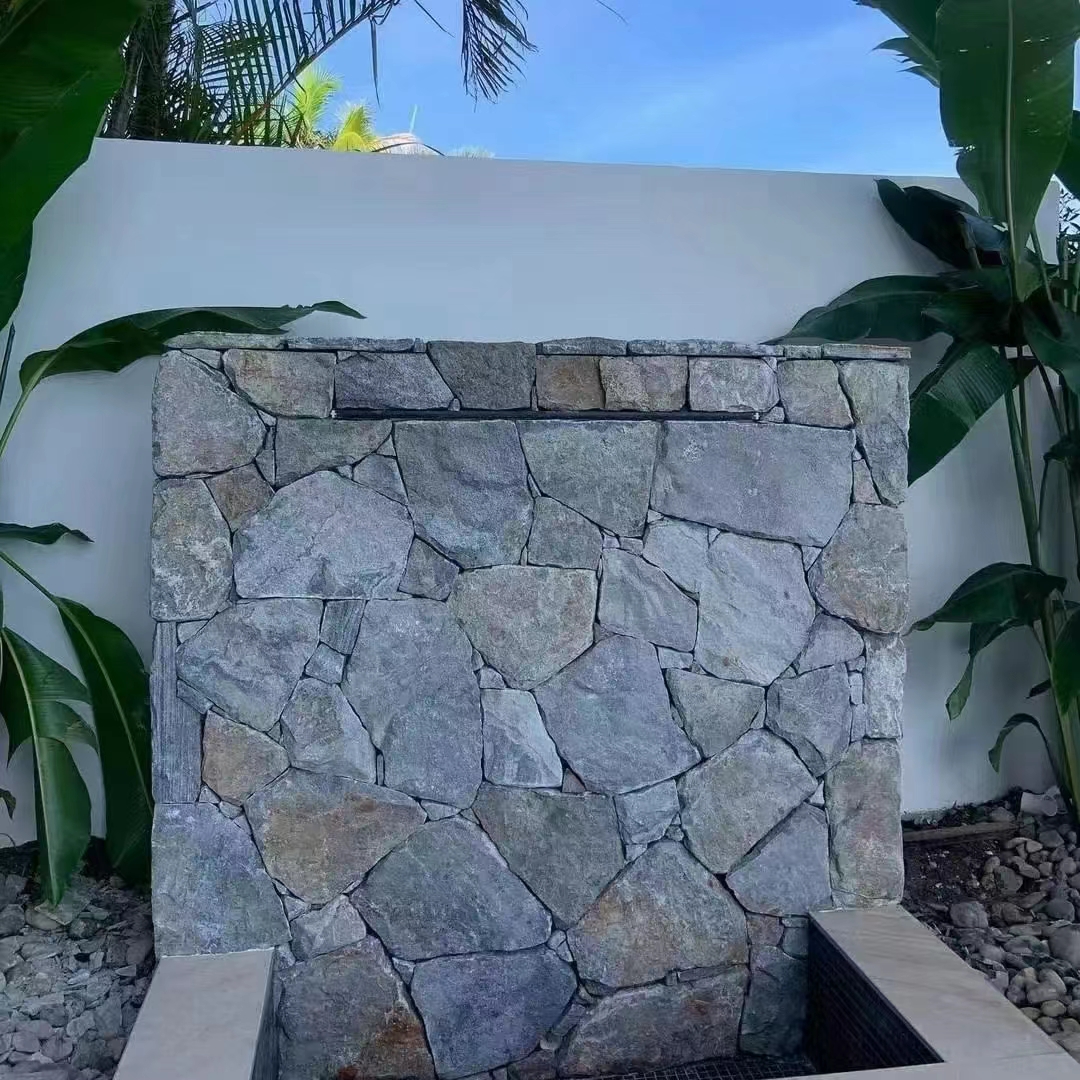
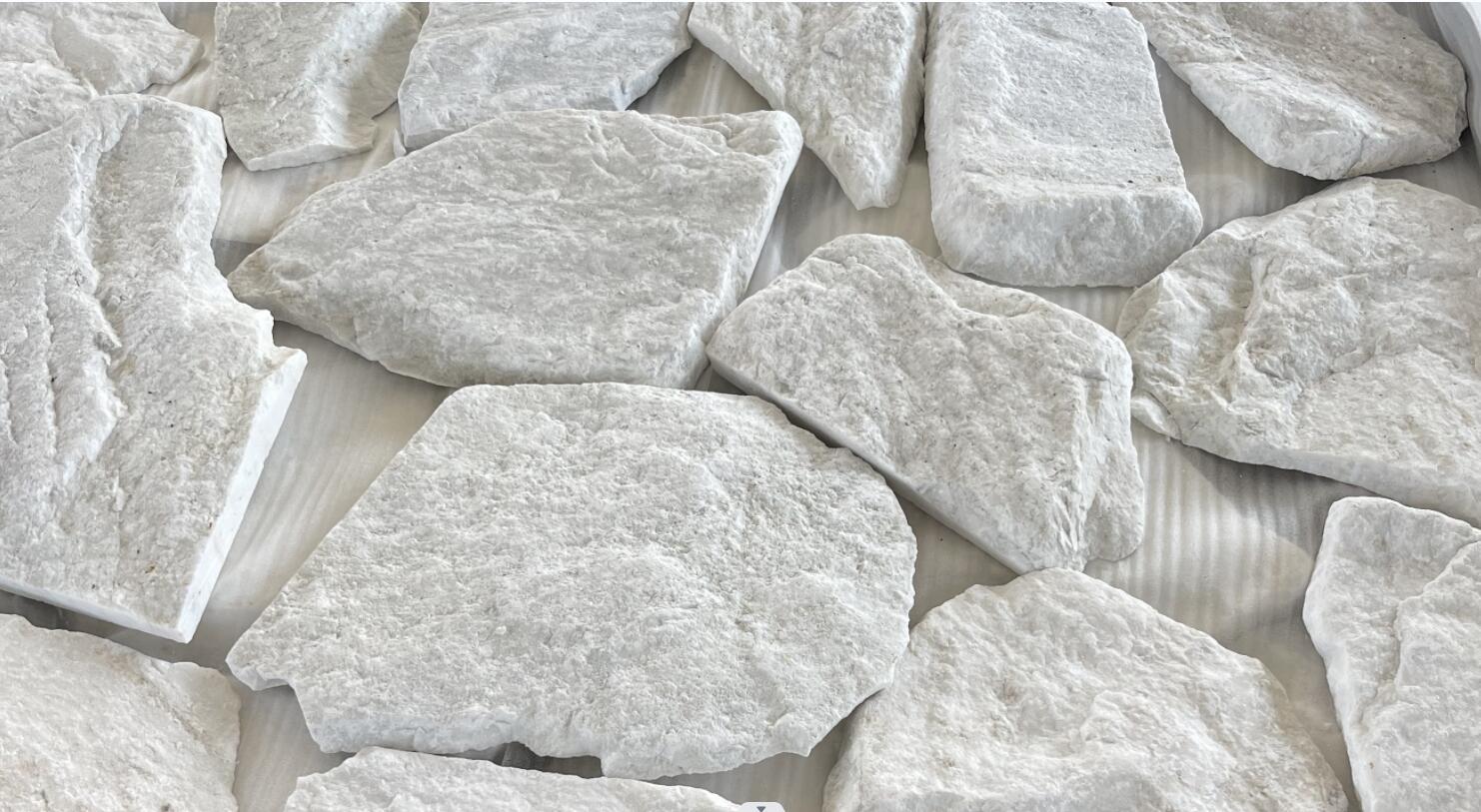
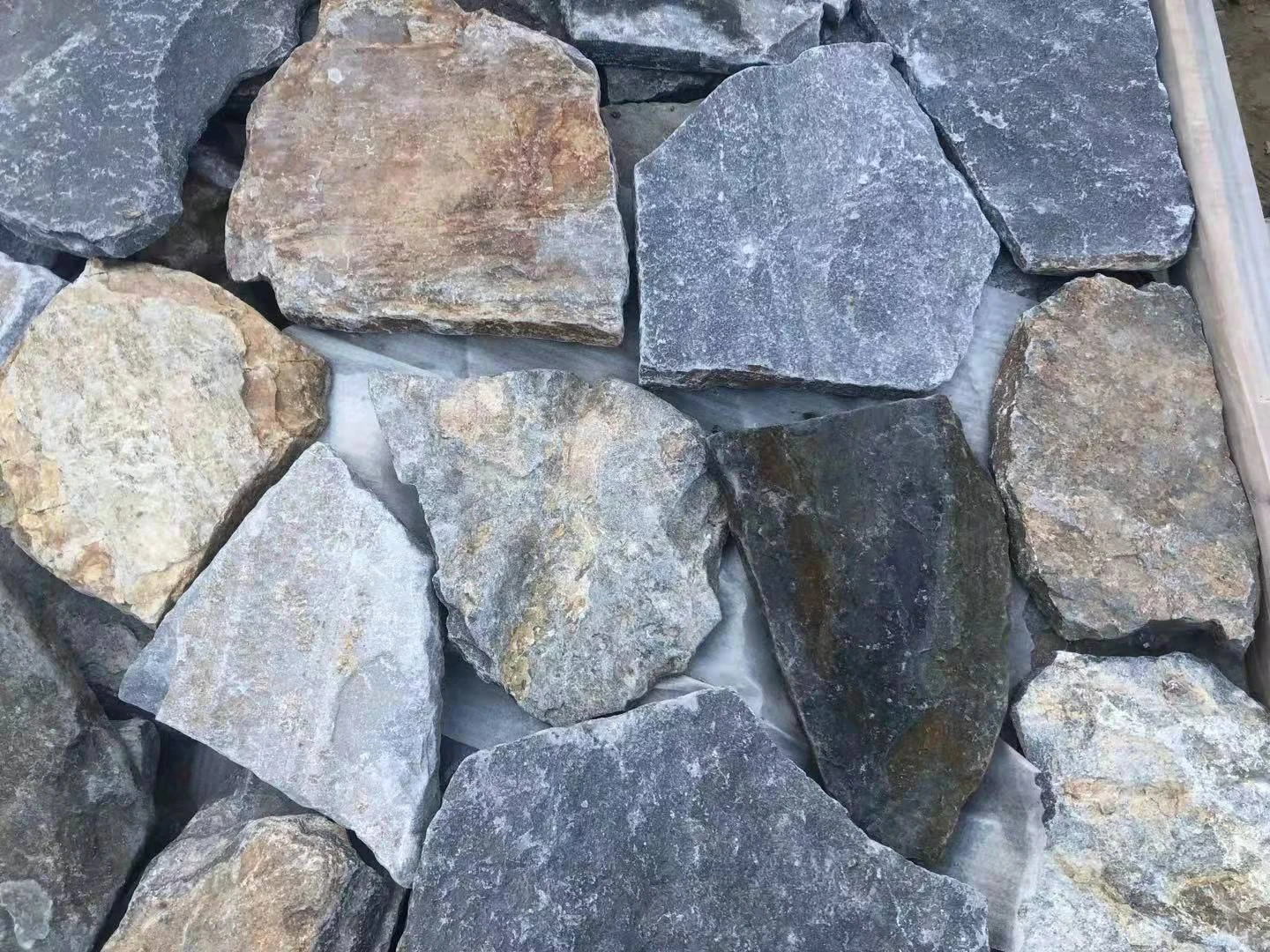
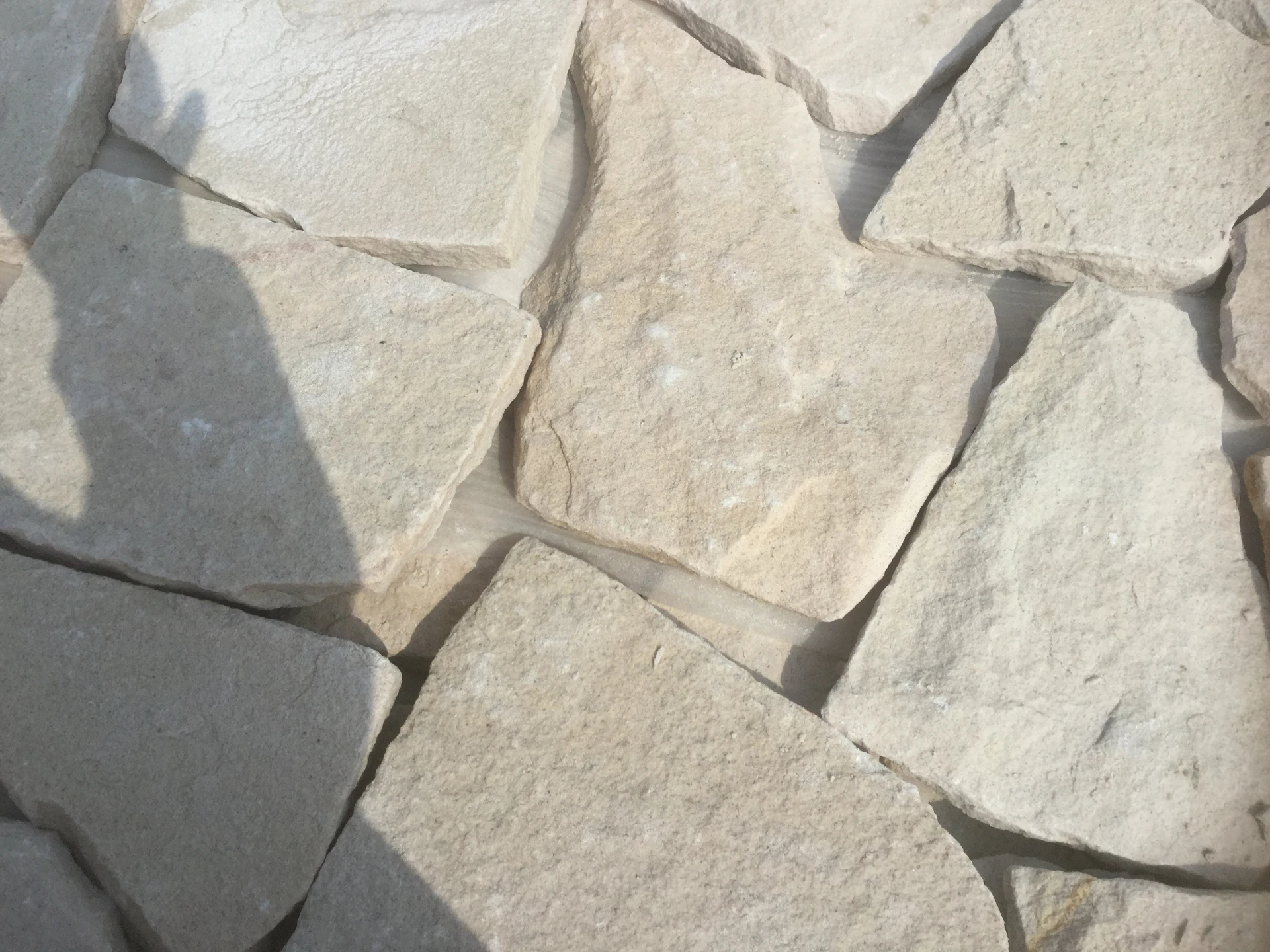
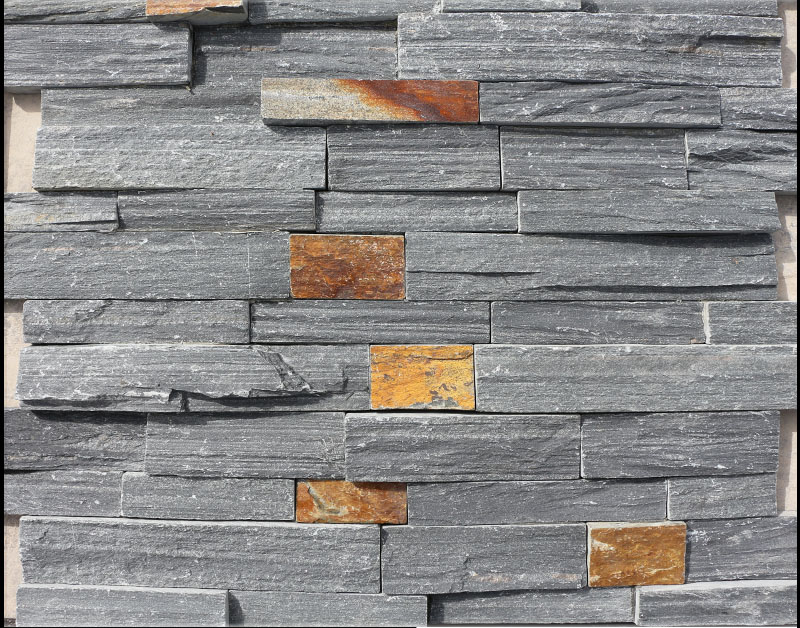
High Quality Natural Slate is a key solution in the industry, specifically within roofing, flooring, and cladding applications. This article explores how https://www.dfl-stones.com supports professionals with durable, high-performance products, and explains why this product is an ideal choice for businesses in these sectors.
When talking about High Quality Natural Slate, you’re really dealing with a material that’s both ancient and cutting-edge — it’s been used for centuries, yet modern sourcing and processing methods have dramatically upped its game. Slate is a fine-grained, metamorphic rock valued for its great durability and aesthetic appeal. What sets the high-quality versions apart is their superior density, consistent coloration, and low water absorption rate, making them ideal for demanding commercial projects.
To put it simply, not all slate is created equal. The natural cleft surface, which provides that characteristic texture, is a key quality marker. At DFL Stones, for instance, the slate undergoes rigorous testing to ensure thickness consistency (typically 6-8mm for roofing slates), flexural strength above 20 MPa, and a slip resistance coefficient that meets industrial safety standards.
| Specification | Parameter | Typical Value |
|---|---|---|
| Paksuus | mm | 6–8 |
| Flexural Strength | MPa | ≥ 20 |
| Water Absorption | % | ≤ 0.4 |
| Slip Resistance | Coefficient | ≥ 0.6 |
| Color Range | Grey, Black, Green, Purple | |
In real terms, why is High Quality Natural Slate favored in demanding environments? Well, it’s a mix of longevity and beauty that few materials can match. Roofers particularly appreciate how slate keeps water out without warping or cracking over decades, which, frankly, cuts replacement headaches down to nearly zero.
Moreover, slate's natural fire resistance and low thermal conductivity make it a safer and more energy-efficient choice. Industries have taken note — slate finds itself on commercial building facades, upscale flooring, and even in infrastructure like bridges where durability is non-negotiable.
One of the subtle perks that isn’t always discussed is the material’s versatility. Architects and engineers love how slate can be custom-cut to different sizes and thicknesses, adapting easily to diverse project specs. This adaptability paired with consistent high quality gives it a competitive edge against alternatives like ceramic tiles or synthetic composites.
From a cost perspective, high-quality natural slate might initially feel like a premium option. Yet, when you factor in its longevity — often 75 years or more — plus minimal maintenance requirements, the total cost of ownership often comes out ahead. You know, it’s that “buy once, buy right” philosophy that many decision makers swear by.
Maintenance? Well, slate doesn’t need much beyond occasional inspections and cleaning. There’s no need for costly sealants or replacements like with some synthetic roofing systems. Plenty of contractors I’ve chatted with say that working with slate from suppliers like DFL is also a smooth experience — consistent slabs simplify installation, and the natural slate’s weight feels just right to the touch without being overly cumbersome.
| Vendor | Product Quality | Price Competitiveness | Delivery Times | Customization Options |
|---|---|---|---|---|
| DFL Stones | Excellent | Competitive | 4-6 weeks | Wide Variety |
| Vendor A | Good | Moderate | 6-8 weeks | Limited |
| Vendor B | Fair | Lower | 3-5 weeks | Minimal |
Sustainability is no longer just a buzzword — it’s a core requirement across industries, and High Quality Natural Slate actually shines here. Being a 100% natural, non-toxic material with a long lifecycle, it yields a low carbon footprint compared to many manufactured alternatives. Plus, slate is recyclable at the end of its extensive life, which frankly appeals to forward-thinking procurement teams.
The worldwide demand for durable, environmentally friendly building materials is driving slate’s market growth. Regulatory frameworks are nudging firms toward sustainable sourcing, and suppliers like DFL have invested in certification programs to meet these higher standards. Oddly enough, in some regions, choosing natural slate can even accelerate regulatory approvals on green building projects.
To sum up, High Quality Natural Slate brings together tradition and modern innovation, offering a sustainable, long-lasting, and versatile material perfect for a broad range of industrial applications. For B2B decision makers weighing quality, cost, and environmental impact, it’s a solution definitely worth serious consideration.
Reflecting on this, quality truly defines durability, and natural slate from trusted vendors like DFL exemplifies this principle in the stone industry.
References:
1. Industry durability standards (ASTM)
2. Market analysis reports 2023
3. Sustainability certifications in building materials
 afrikkalainen
  albanialainen
  amhara
  arabialainen
  armenialainen
  Azerbaidžani
  baski
baski  valkovenäläinen
  bengali
  bosnialainen
  bulgarialainen
  katalaani
  Cebuano
  Kiina
Kiina  Kiina (Taiwan)
  Korsikalainen
  kroatialainen
  Tšekki
  Tanskan kieli
  Hollannin kieli
  Englanti
  esperanto
  Virolainen
  Suomalainen
  Ranskan kieli
  friisi
  Galicialainen
  Georgian
  Saksan kieli
  kreikkalainen
  gudžarati
  Haitin kreoli
  hausa
hausa  havaijilainen
  heprealainen
  Ei
Ei  Miao
Miao  Unkarin kieli
  islantilainen
  igbo
igbo  Indonesialainen
  irlantilainen
  italialainen
  japanilainen
  jaavalainen
  kannada
  kazakki
  khmerit
  Ruanda
  Korealainen
  kurdi
kurdi  Kirgisia
  TB
TB  Latina
  Latvialainen
  liettualainen
  luxemburgilainen
  makedonialainen
  Malgashi
  malaiji
  malajalami
  maltalainen
  maori
maori  marathi
  mongolialainen
  Myanmar
  Nepali
  Norjan kieli
  Norjan kieli
  Oksitaani
  pashto
  persialainen
  Kiillottaa
  Portugalin kieli
  Punjabi
  romanialainen
  Venäjän kieli
  samoalainen
  Skotlannin gaeli
  serbia
  Englanti
  Shona
Shona  Sindhi
  sinhala
  Slovakian
  slovenialainen
  somali
  Espanja
  sundalainen
  swahili
  Ruotsin kieli
  Tagalog
  tadžiki
  tamili
  tatari
  telugu
  thaimaalainen
  turkkilainen
  Turkmenistan
  ukrainalainen
  urdu
urdu  uiguuri
  uzbekki
  vietnam
  Walesin