

Crazy Cladding Stone
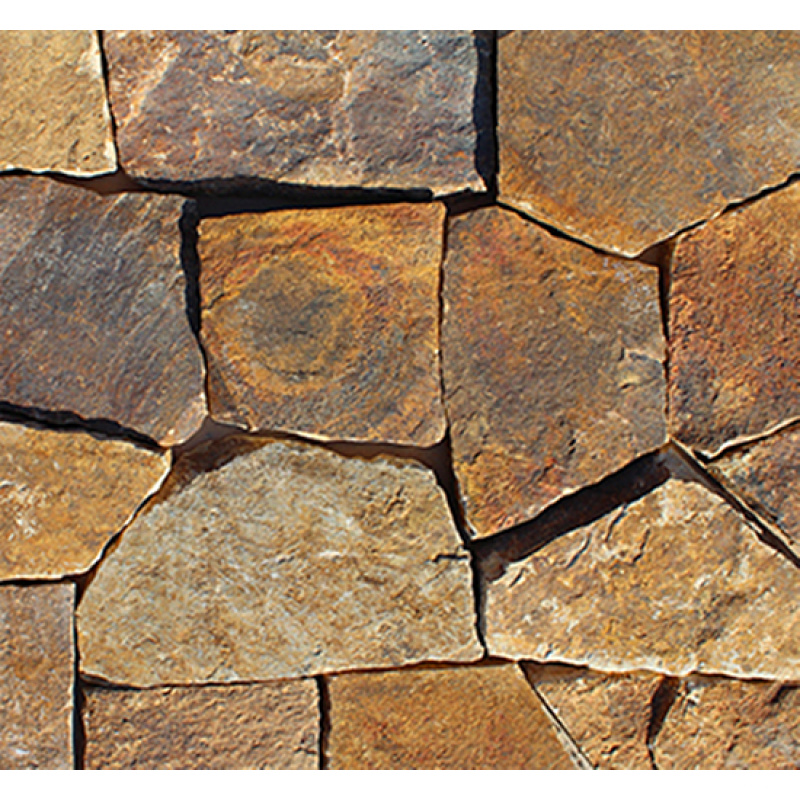
This curated selection of premium stones offers versatile solutions for both interior and exterior design. Castle stone provides a timeless, structured aesthetic with its refined edges, ideal for formal architectural features. Irregular stone celebrates organic beauty through its untamed shapes, perfect for creating naturalistic landscapes. Flamed sandstone paving delivers a textured, slip-resistant surface with earthy warmth, while loose stone cladding introduces depth and movement to vertical surfaces through its artfully fragmented composition.
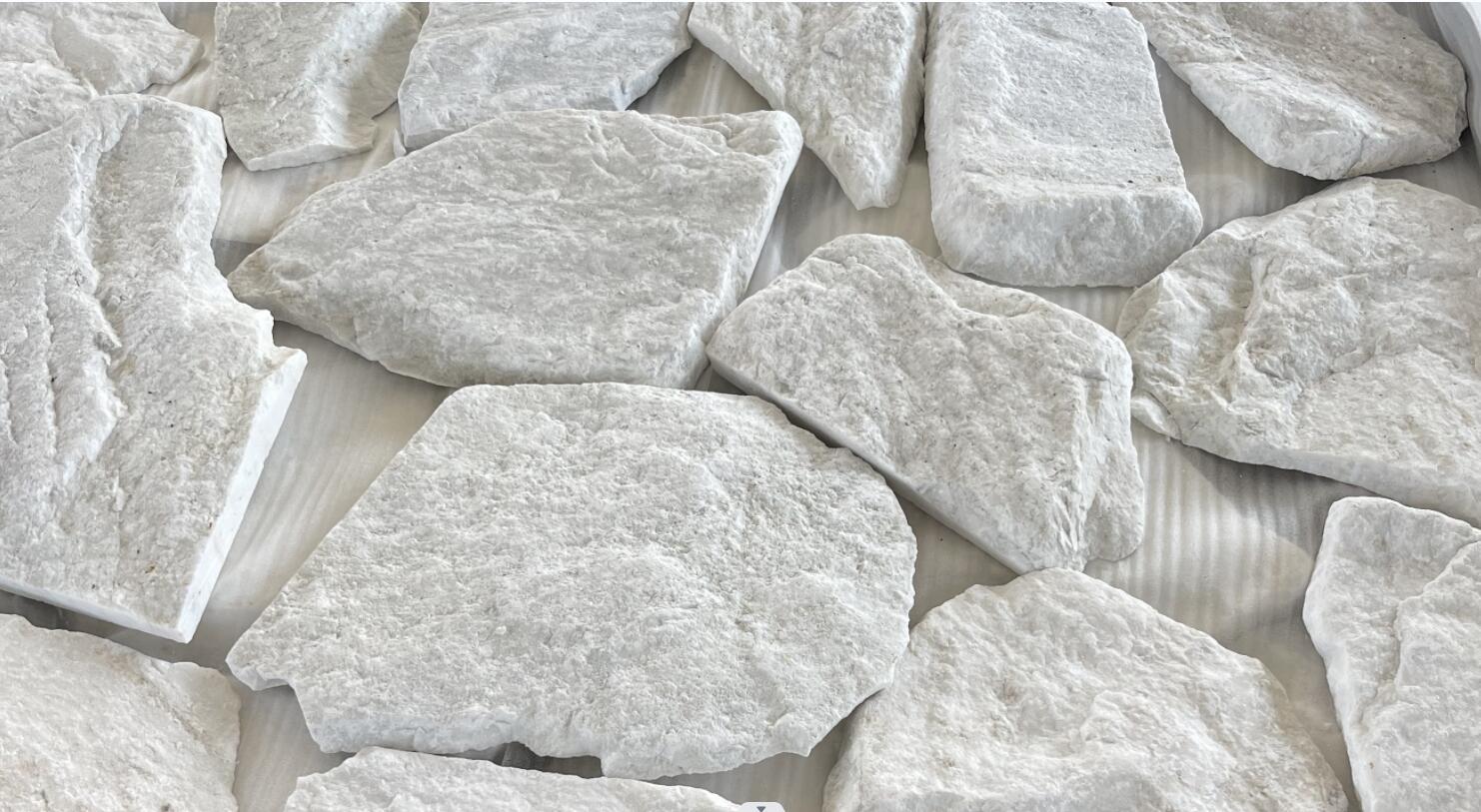
Quartzite stone stands out for its exceptional durability and luminous veining, making it a sophisticated choice for high-traffic areas. White paving stones lend spaces a bright, contemporary elegance, contrasting beautifully with the dramatic sophistication of black slate, known for its fine grain and moody sophistication. Rustic stone captures the raw charm of time-worn textures, bringing organic character to modern designs.
Each stone type is meticulously sourced and finished to balance aesthetic appeal with functional performance, whether for pathways, facades, or decorative accents. These materials harmonize natural resilience with design flexibility, allowing architects and homeowners to craft spaces that feel both grounded and inspired. The collection embodies the intersection of nature's artistry and human craftsmanship, offering enduring solutions for projects where beauty and practicality converge.
what is flamed granite?
Flamed granite is a natural stone surface treated with intense heat to create a rough, textured finish. This process involves exposing the granite to high-temperature flames, causing the crystals to fracture and form a non-slip, weathered appearance. The technique enhances the stone's durability while preserving its natural color variations, making it ideal for outdoor applications like paving and facades where slip resistance is crucial. Unlike polished granite, flamed granite retains a rustic, matte aesthetic while maintaining weather resistance.
what are the different types of cladding?
Cladding refers to exterior building layers designed for protection and aesthetics. Common systems include stone veneers (natural or engineered), metal panels (aluminum or steel), composite materials, and high-pressure laminates. Each type offers unique benefits in terms of insulation, weatherproofing, and design flexibility. Modern cladding solutions often integrate thermal efficiency and sustainable properties, balancing functionality with architectural appeal. The choice depends on structural requirements, climate conditions, and desired visual impact.
what is the difference between flagstone and pavers?
Flagstone is natural sedimentary rock split into irregular slabs, prized for its organic look and durability in landscaping. Pavers are uniformly shaped units (concrete, brick, or stone) designed for precise installation. Flagstone offers a rustic, uneven surface with natural texture, while pavers provide a modular, level finish for structured designs. Flagstone requires more skill to install due to its irregularity, whereas pavers allow faster, more consistent layouts. Both are weather-resistant but differ in maintenance and aesthetic outcomes.
 Afraganach
 Albànianach
 Amharic
 Arabach
 Armenianach
 Azerbaijani
 Basgach
 Belarusianach
 Bengàlach
  Bosnianach
 Bulgàrianach
 Catalanach
 Cebuano
 Sìona
Sìona Sìona (Taiwan)
 Corsicanach
 Croatianach
 Seacach
 Dànach
 Duitseach
 Sasannach
 Esperanto
 Estòinianach
 Fionnlaineach
 Frangach
 Frisianach
 Galicianach
 Georgianach
 Gearmailteach
 Grèigeach
 Gujarati
 Haitian Creole
 Hausa
Hausa Hawaiianach
 Eabhrach
 Chan eil
 Miao
Miao Hungàrianach
 Innis Tìleach
 igbo
igbo And-Innseach
 Èireannach
 Eadailteach
 Iapanach
 Iabhaininnseach
 Kannada
 Kasakh
 Ciméireach
 Ruanda
 Corèanach
 Curdach
 Kyrgyz
 TBh
TBh Laidinn
 Latbhianach
 Lithuanianach
 Luxembourgach
 Macedonianach
 Malgashi
 Malaidheach
 Malayalamach
 Malteseach
 Maori
Maori Marathiach
 Mongolianach
 Myanmar
 Nepalach
 Lochlannach
 Lochlannach
 Occitan
 Pashto
 Persianach
 Pòlainneach
 Portugalach
  Punjabi
 Romànianach
 Ruiseanach
 Samoan
 Gàidhlig na h-Alba
 Serbianach
 Sasannach
 Shona
Shona Sindeach
 Sinhala
 Slovacanach
 Slobhenianach
 Somali
 Spàinneach
 Sundais
 Swahilieach
 Suaineach
 Tagalogach
 Tajik
Tajik Tamileach
 Tatarais
 Telugach
 Thaidheach
 Turcach
 Turkmen
 Ucràinis
 Urdu
Urdu Uighur
 Uzbek
Uzbek Bhietnam
 Cuimris