

Leacan Cloiche
Stone tiles bring the enduring beauty of nature into architectural and design projects with unmatched sophistication. Crafted from materials like marble, granite, slate, and travertine, each tile showcases unique geological patterns, ensuring no two surfaces are identical. These tiles excel in both form and function, offering exceptional durability that withstands decades of use while developing a distinguished patina over time.
Ideal for floors, walls, countertops, and outdoor applications, stone tiles adapt to diverse styles—from sleek modern interiors to rustic exterior facades. Their natural thermal properties help regulate indoor temperatures, while finishes like polished, honed, or textured cater to specific aesthetic and practical needs. Beyond aesthetics, stone’s hypoallergenic qualities and ease of maintenance make it a healthy choice for living spaces.
Sustainable and long-lasting, stone tiles reduce environmental impact through minimal processing and a lifecycle that outperforms synthetic alternatives. Whether creating a luxurious bathroom retreat or a weather-resistant patio, they deliver timeless appeal and enduring value.
-
-
-
-
-
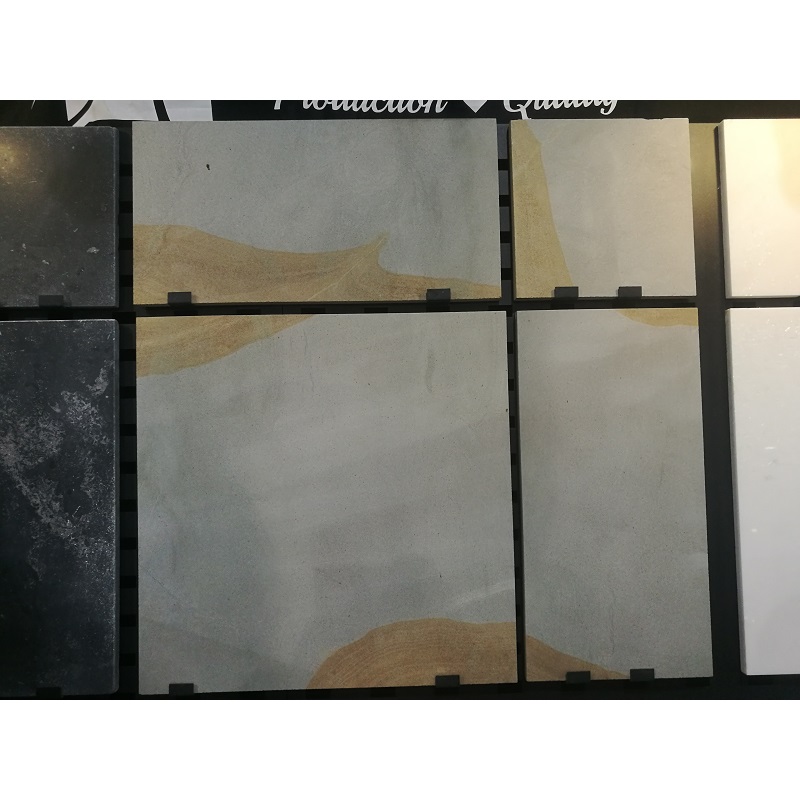
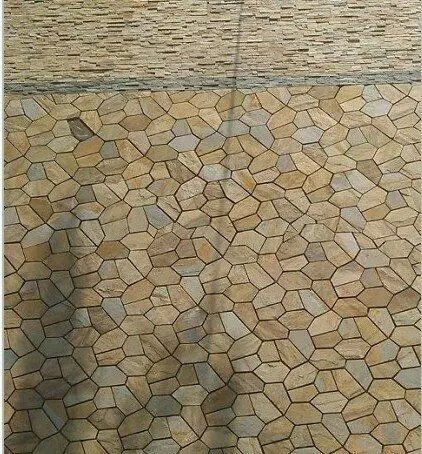
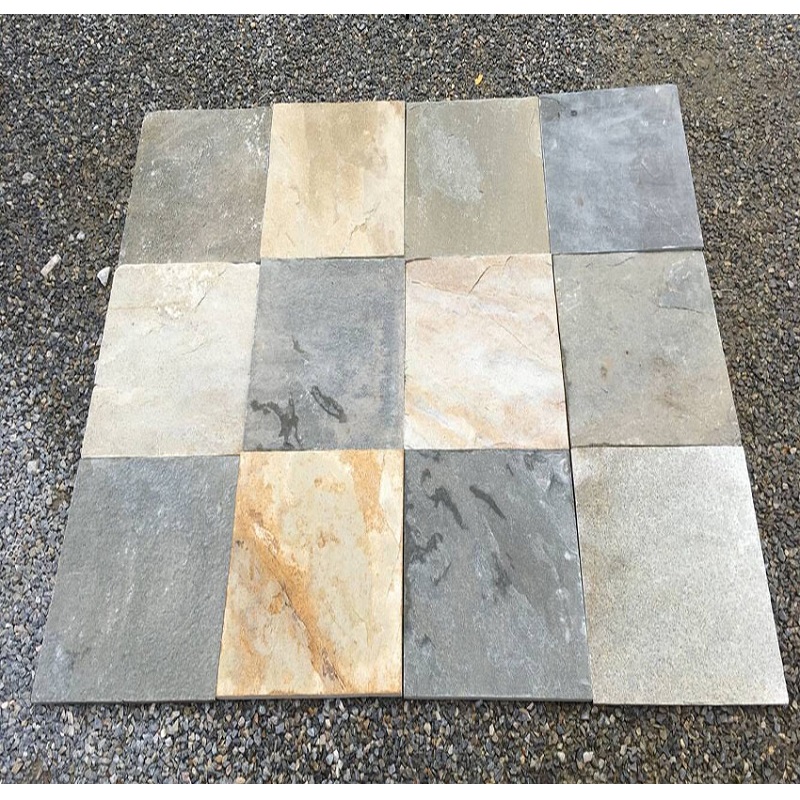
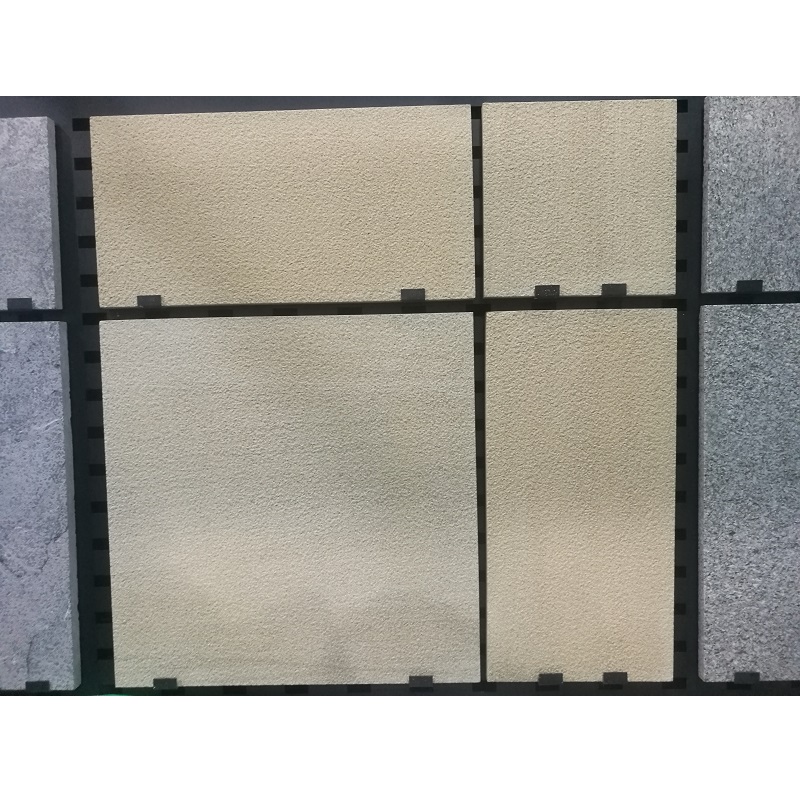
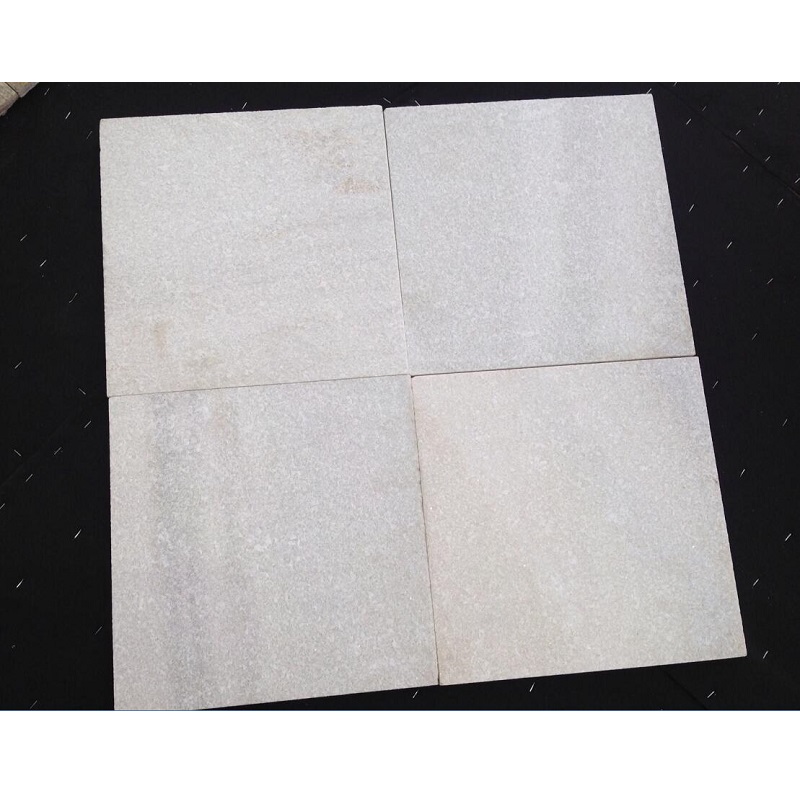
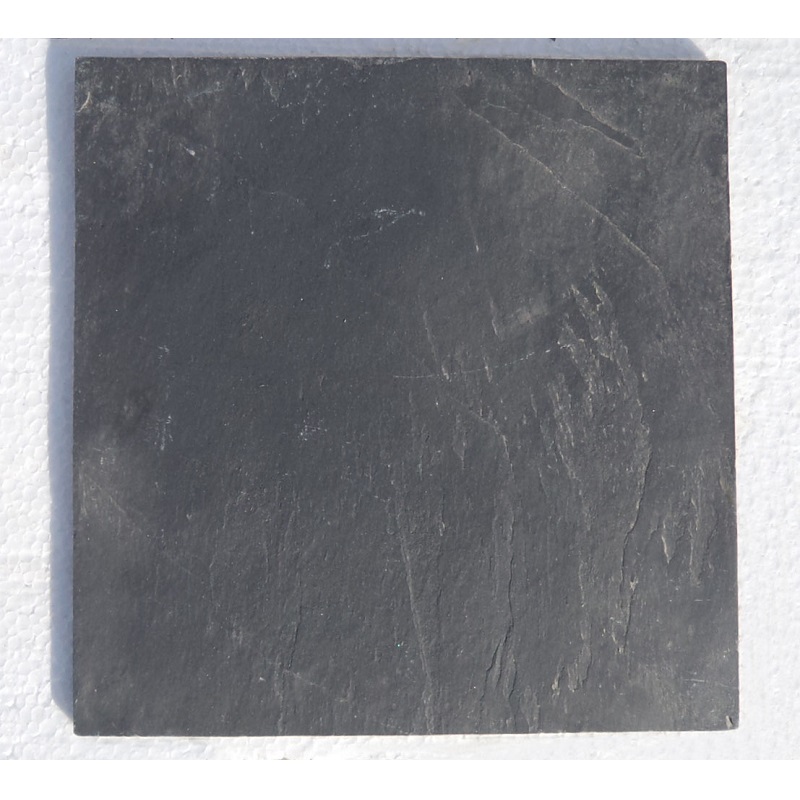
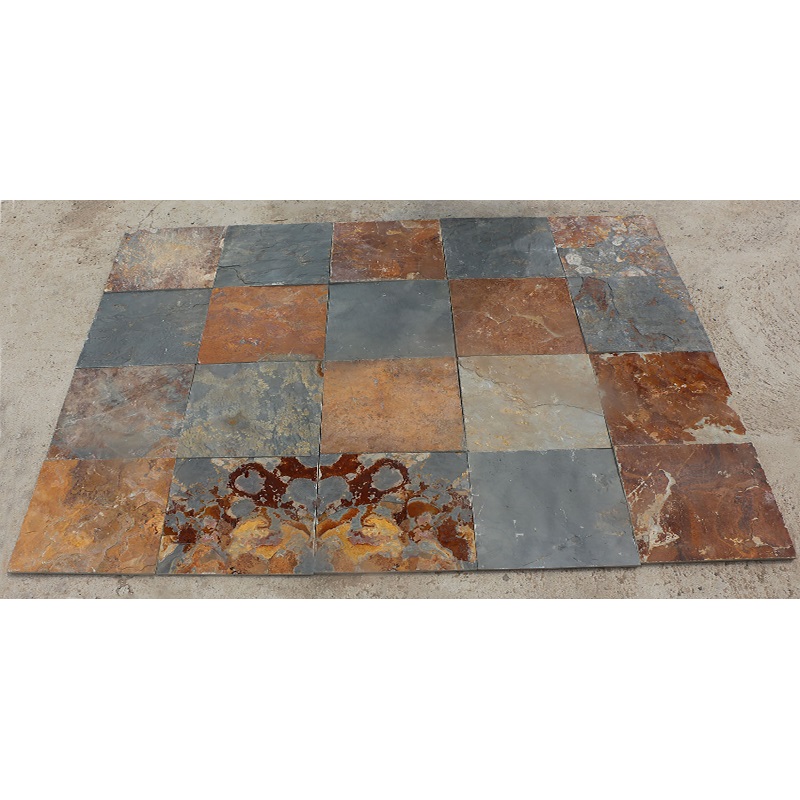
Meud: 30 * 30 * (1.0-1.5) cm ,30 * 60 * (1.0-1.5) cm, 40 * 40 * (1.2-1.8) cm, 60 * 60 (1.5-2.0) cm msaa. Faodar a dhèanamh cuideachd mar am meud riatanach agad.
Dath dath uaibhreach. Faodaidh e cuideachd a bhith geal òir, purpaidh, uaine, dubh, uaine, geal, pinc, California dearg. etc.
Stuth: 100% clach-ghainmhich nàdarra. Faodaidh e cuideachd a bhith quartz, clach-ghainmhich, clach-aoil, clach-ghràin msaa
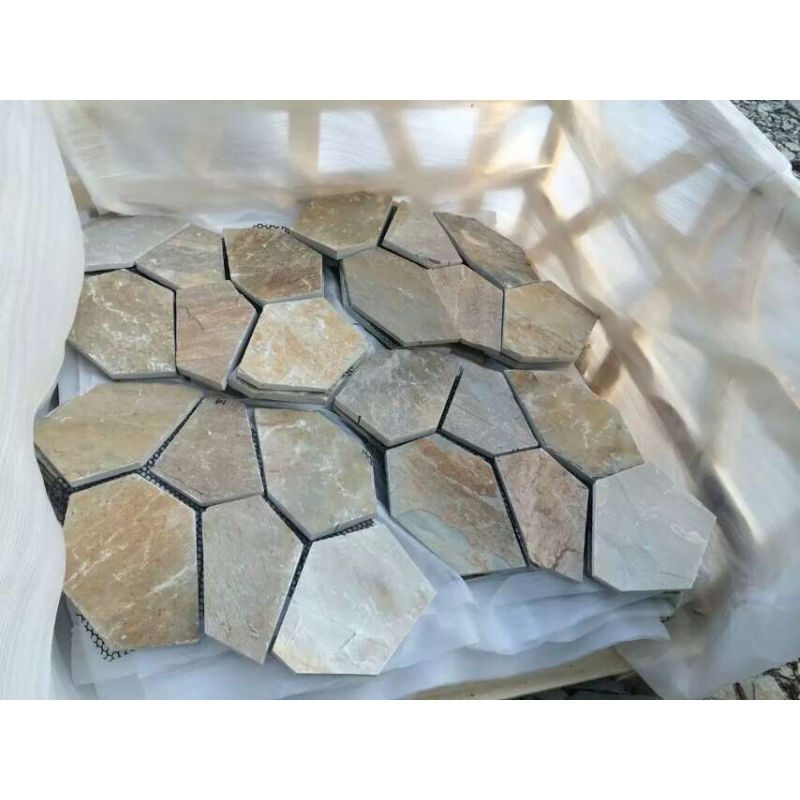
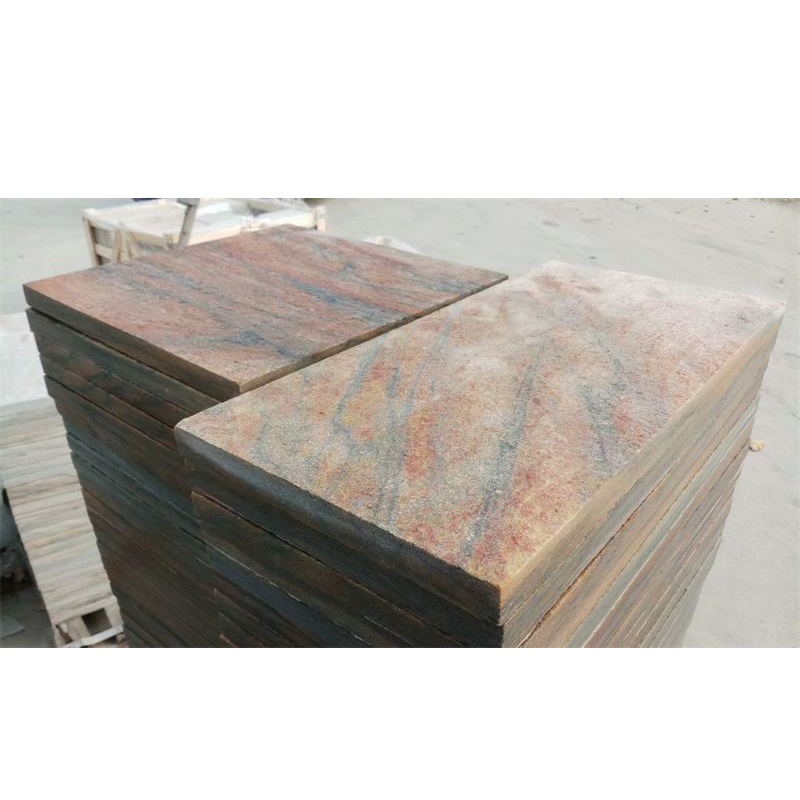
Pasgan: Faodar a luchdachadh le cliathran fiodha gu dìreach.
Faodar an luchdachadh le carton an toiseach agus an uairsin cuir na cartain anns a’ chliath fiodha
Cleachdadh: Faodar a chleachdadh gu farsaing gus am balla a-staigh, an làr no slighe gàrraidh msaa a sgeadachadh.
-
-
-
-
-
How Long Do Stone Tiles Last?
Stone tiles are renowned for their exceptional longevity, often lasting generations when properly maintained. Natural stone varieties like granite, slate, and marble can endure 75-100+ years in indoor applications, owing to their geological density and resistance to compression. Even softer stones like limestone typically surpass 50 years with care. Outdoor installations face harsher conditions but still achieve 30-50 years of service, especially when using frost-resistant stones like quartzite. The lifespan hinges on factors like stone porosity, installation quality, and sealant reapplication frequency. Unlike synthetic materials that degrade visibly, aged stone develops a distinguished patina while retaining structural integrity. Properly sealed stone resists stains and etching, while occasional professional polishing can restore surfaces to like-new condition. Their durability makes them a cost-effective choice over time, despite higher initial investment compared to ceramic or porcelain alternatives.
Benefits of Using Natural Stone Tiles in Interior Design
Natural stone tiles elevate interiors with unmatched authenticity and tactile richness. Each piece showcases unique geological patterns—from marble’s veining to travertine’s porous texture—creating one-of-a-kind surfaces that mass-produced tiles cannot replicate. Stone’s thermal mass regulates indoor temperatures, staying cool underfoot in warm climates while retaining heat in colder environments. The material’s inherent durability withstands decades of use, maintaining elegance in high-traffic areas like entryways or kitchens. Design flexibility spans rustic charm to modern minimalism, with finishes ranging from polished gloss to honed matte. Beyond aesthetics, hypoallergenic stone improves indoor air quality by resisting mold and microbial growth. Its timeless appeal also boosts property value, appealing to future buyers seeking premium, low-maintenance materials.
Eco-Friendly and Sustainable Natural Stone Tiles
Natural stone stands as a benchmark for sustainable building materials due to its minimal processing and enduring lifecycle. Quarried rather than manufactured, it requires no energy-intensive kiln firing or synthetic additives. Modern extraction methods prioritize site rehabilitation, with many quarries repurposed as reservoirs or parks post-operation. Stone’s longevity reduces replacement frequency, minimizing landfill waste—a stark contrast to vinyl or laminate flooring replaced every 10-15 years. Its thermal properties lower HVAC demands when used in floors or walls, while regional sourcing (like using local limestone) cuts transportation emissions. At end-of-life, stone tiles can be repurposed as landscaping features or crushed for aggregate, completing a circular lifecycle. Unlike plastics or composites, stone emits no volatile organic compounds (VOCs), ensuring healthier indoor air. These environmental advantages, combined with timeless beauty, make stone tiles a responsible choice for green building projects.
 Afraganach
 Albànianach
 Amharic
 Arabach
 Armenianach
 Azerbaijani
 Basgach
 Belarusianach
 Bengàlach
  Bosnianach
 Bulgàrianach
 Catalanach
 Cebuano
 Sìona
Sìona Sìona (Taiwan)
 Corsicanach
 Croatianach
 Seacach
 Dànach
 Duitseach
 Sasannach
 Esperanto
 Estòinianach
 Fionnlaineach
 Frangach
 Frisianach
 Galicianach
 Georgianach
 Gearmailteach
 Grèigeach
 Gujarati
 Haitian Creole
 Hausa
Hausa Hawaiianach
 Eabhrach
 Chan eil
 Miao
Miao Hungàrianach
 Innis Tìleach
 igbo
igbo And-Innseach
 Èireannach
 Eadailteach
 Iapanach
 Iabhaininnseach
 Kannada
 Kasakh
 Ciméireach
 Ruanda
 Corèanach
 Curdach
 Kyrgyz
 TBh
TBh Laidinn
 Latbhianach
 Lithuanianach
 Luxembourgach
 Macedonianach
 Malgashi
 Malaidheach
 Malayalamach
 Malteseach
 Maori
Maori Marathiach
 Mongolianach
 Myanmar
 Nepalach
 Lochlannach
 Lochlannach
 Occitan
 Pashto
 Persianach
 Pòlainneach
 Portugalach
  Punjabi
 Romànianach
 Ruiseanach
 Samoan
 Gàidhlig na h-Alba
 Serbianach
 Sasannach
 Shona
Shona Sindeach
 Sinhala
 Slovacanach
 Slobhenianach
 Somali
 Spàinneach
 Sundais
 Swahilieach
 Suaineach
 Tagalogach
 Tajik
Tajik Tamileach
 Tatarais
 Telugach
 Thaidheach
 Turcach
 Turkmen
 Ucràinis
 Urdu
Urdu Uighur
 Uzbek
Uzbek Bhietnam
 Cuimris