

કેપ્સ એન્ડ સિલ્સ અને એસેસરીઝ
Gray slate pillars embody the perfect harmony of natural elegance and structural integrity, offering a timeless solution for both residential and commercial exteriors. Crafted from premium sedimentary slate, each pillar showcases subtle variations in tone and texture, with the stone's characteristic layered composition creating a refined yet organic aesthetic. These pillars excel in durability, naturally resisting weathering, temperature fluctuations, and moisture penetration—making them ideal for load-bearing columns, entryway accents, or landscape features.
The stone's muted gray palette provides exceptional design versatility, seamlessly complementing traditional masonry, modern metalwork, or rustic wood elements. Unlike uniform synthetic materials, slate's natural cleft surface catches light dynamically, adding depth and movement to architectural compositions. Whether supporting pergolas, framing gateways, or standing as sculptural garden elements, gray slate pillars deliver enduring beauty with minimal maintenance, developing a distinguished patina that enhances their character over decades. Their sustainable profile and lifetime performance make them an investment in both aesthetics and longevity.
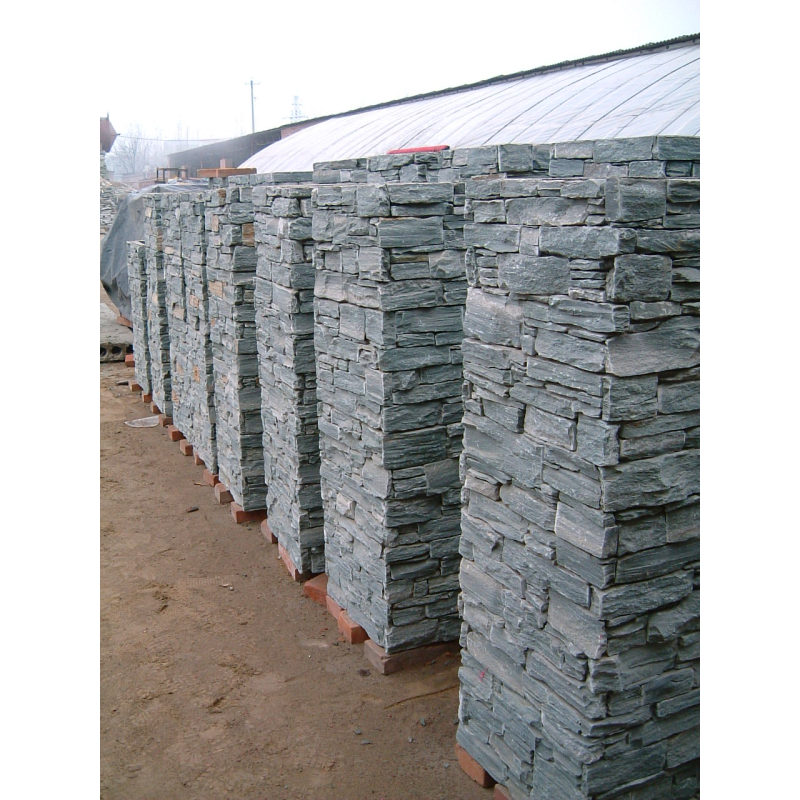
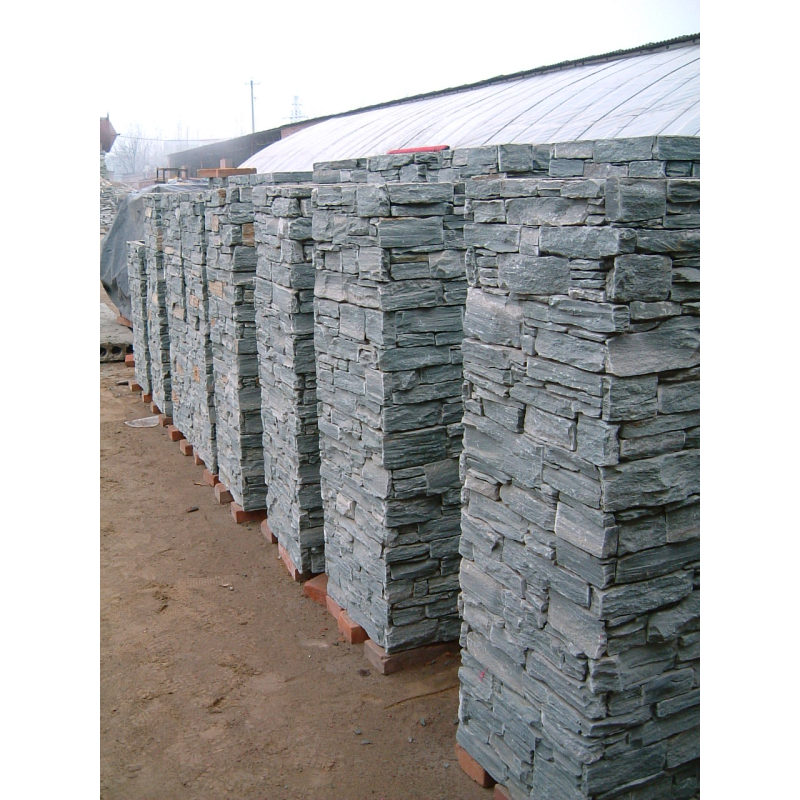
Benefits of Using Natural Slate for Exterior Columns
Natural slate offers exceptional durability and aesthetic versatility for exterior columns, making it a preferred choice for architects and designers. Its layered composition provides inherent strength, resisting cracks and weathering even in harsh climates. The stone's natural cleft surface creates subtle texture variations that add visual depth while concealing minor wear over time. Slate's low water absorption rate prevents frost damage in cold regions, ensuring long-term structural integrity. Environmentally, slate requires minimal processing compared to synthetic materials, aligning with sustainable building practices. The stone's rich, earthy tones—particularly in gray slate—develop a dignified patina that enhances architectural character without fading. Maintenance is straightforward, typically needing only occasional cleaning and sealing. Slate's thermal stability also prevents warping or expansion issues common in other materials, making it reliable for load-bearing columns. Its natural slip-resistant texture adds safety in high-traffic outdoor areas. These combined qualities make slate columns a timeless investment that balances beauty, performance, and ecological responsibility.
Gray Slate Pillars as Structural and Decorative Elements
Gray slate pillars masterfully merge structural functionality with understated elegance in architectural design. The stone's neutral gray palette complements both traditional and contemporary exteriors, serving as a sophisticated backdrop or striking focal point. As structural components, slate pillars provide reliable load-bearing support for porches, pergolas, and gateways due to the stone's high compressive strength. The natural layering of slate allows for precise splitting into uniform units, enabling clean geometric profiles or rustic textured finishes. Designers often highlight slate's organic veining by arranging pillar segments to showcase flowing mineral patterns vertically. These pillars pair exceptionally well with other natural materials like wood beams or metal accents, creating harmonious material dialogues. In landscape design, gray slate pillars lend gravitas to garden entries or pool surrounds while requiring minimal upkeep. Their matte surface diffuses light beautifully, softening shadows for consistent daytime appeal. Whether supporting structural weight or framing sightlines, slate pillars deliver enduring performance without sacrificing aesthetic nuance.
Gray Slate Pillars vs Granite Pillars: Which to Choose?
The choice between gray slate and granite pillars hinges on project priorities regarding aesthetics, maintenance, and structural demands. Slate offers a more organic, textured appearance with natural cleft surfaces and subtle color gradations that suit rustic or arts-and-crafts styles. Its layered structure provides reliable strength, though granite surpasses it in sheer load-bearing capacity for monumental structures. Granite's crystalline composition grants superior hardness and scratch resistance, ideal for high-traffic commercial spaces, while slate's softer surface develops a desirable patina over time. Climate considerations favor slate in freeze-thaw cycles due to its lower water absorption, whereas granite excels in consistently wet environments. Maintenance differs slightly—granite needs less frequent sealing but shows water spots more readily than slate's matte finishes. Cost varies by region, though slate often proves more economical for custom shapes due to easier workability.
 આફ્રિકન
 અલ્બેનિયન
 એમ્હારિક
 અરબી
અરબી આર્મેનિયન
 અઝરબૈજાની
 બાસ્ક
બાસ્ક બેલારુસિયન
 બંગાળી
  બોસ્નિયન
 બલ્ગેરિયન
 કતલાન
કતલાન સેબુઆનો
 ચીન
ચીન ચીન (તાઇવાન)
 કોર્સિકન
 ક્રોએશિયન
 ચેક
ચેક ડેનિશ
ડેનિશ ડચ
ડચ અંગ્રેજી
 એસ્પેરાન્ટો
 એસ્ટોનિયન
 ફિનિશ
ફિનિશ ફ્રેન્ચ
 ફ્રિશિયન
 ગેલિશિયન
 જ્યોર્જિયન
 જર્મન
જર્મન ગ્રીક
ગ્રીક ગુજરાતી
 હૈતીયન ક્રેઓલ
 હૌસા
હૌસા હવાઇયન
 હીબ્રુ
 ના
ના મિયાઓ
મિયાઓ હંગેરિયન
 આઇસલેન્ડિક
 igbo
igbo ઇન્ડોનેશિયન
 આઇરિશ
આઇરિશ ઇટાલિયન
 જાપાનીઝ
 જાવાનીસ
 કન્નડ
કન્નડ કઝાક
કઝાક ખ્મેર
ખ્મેર રવાન્ડન
 કોરિયન
 કુર્દિશ
 કિર્ગીઝ
 ટીબી
ટીબી લેટિન
લેટિન લાતવિયન
 લિથુનિયન
 લક્ઝમબર્ગિશ
 મેસેડોનિયન
 માલગાશી
 મલય
મલય મલયાલમ
 માલ્ટિઝ
 માઓરી
માઓરી મરાઠી
મરાઠી મોંગોલિયન
 મ્યાનમાર
 નેપાળી
 નોર્વેજીયન
 નોર્વેજીયન
 ઓક્સિટન
 પશ્તો
પશ્તો ફારસી
ફારસી પોલિશ
પોલિશ પોર્ટુગીઝ
  પંજાબી
 રોમાનિયન
 રશિયન
રશિયન સમોઅન
સમોઅન સ્કોટિશ ગેલિક
 સર્બિયન
 અંગ્રેજી
 શોના
શોના સિંધી
સિંધી સિંહલા
 સ્લોવાક
 સ્લોવેનિયન
 સોમાલી
 સ્પૅનિશ
 સુન્ડનીઝ
 સ્વાહિલી
 સ્વીડિશ
 ટાગાલોગ
 તાજિક
તાજિક તમિલ
તમિલ તતાર
તતાર તેલુગુ
 થાઈ
થાઈ ટર્કિશ
 તુર્કમેન
 યુક્રેનિયન
 ઉર્દુ
ઉર્દુ ઉઇગુર
ઉઇગુર ઉઝબેક
ઉઝબેક વિયેતનામીસ
 વેલ્શ
વેલ્શ