Introduction to High-Performance Stone Cladding for Architectural Projects
In contemporary architecture and construction, the demand for resilient, aesthetically pleasing, and sustainable exterior finishes has never been higher. Among the myriad options, house cladding stone stands out as a premier choice, offering unparalleled durability, natural beauty, and long-term value. This comprehensive guide delves into the technical aspects, market trends, and practical applications of advanced stone cladding solutions, providing essential insights for architects, developers, and construction professionals.
We explore the intricate manufacturing processes, stringent quality controls, and diverse material properties that define high-quality stone cladding, addressing its significant role in enhancing both the structural integrity and visual appeal of modern buildings. While the primary focus is on exterior applications, the principles and material benefits often extend to sophisticated interior wall systems, such as the Popular Natural Stacked 3D Panel for Inside Wall, offering versatile design possibilities.
Current Industry Trends in Stone Cladding Technology
The landscape of architectural finishes is continuously evolving, with several key trends shaping the development and adoption of high-quality natural stone cladding solutions. These trends are driven by a confluence of aesthetic preferences, environmental concerns, and advancements in material science and installation techniques.
- Sustainability and Eco-Friendly Sourcing: A growing emphasis on responsibly sourced materials and manufacturing processes with reduced environmental impact. Natural stone, with its inherent durability and minimal processing (compared to synthetic alternatives), aligns well with green building initiatives. This includes the use of locally sourced materials where possible to minimize carbon footprint and adherence to ethical quarrying standards.
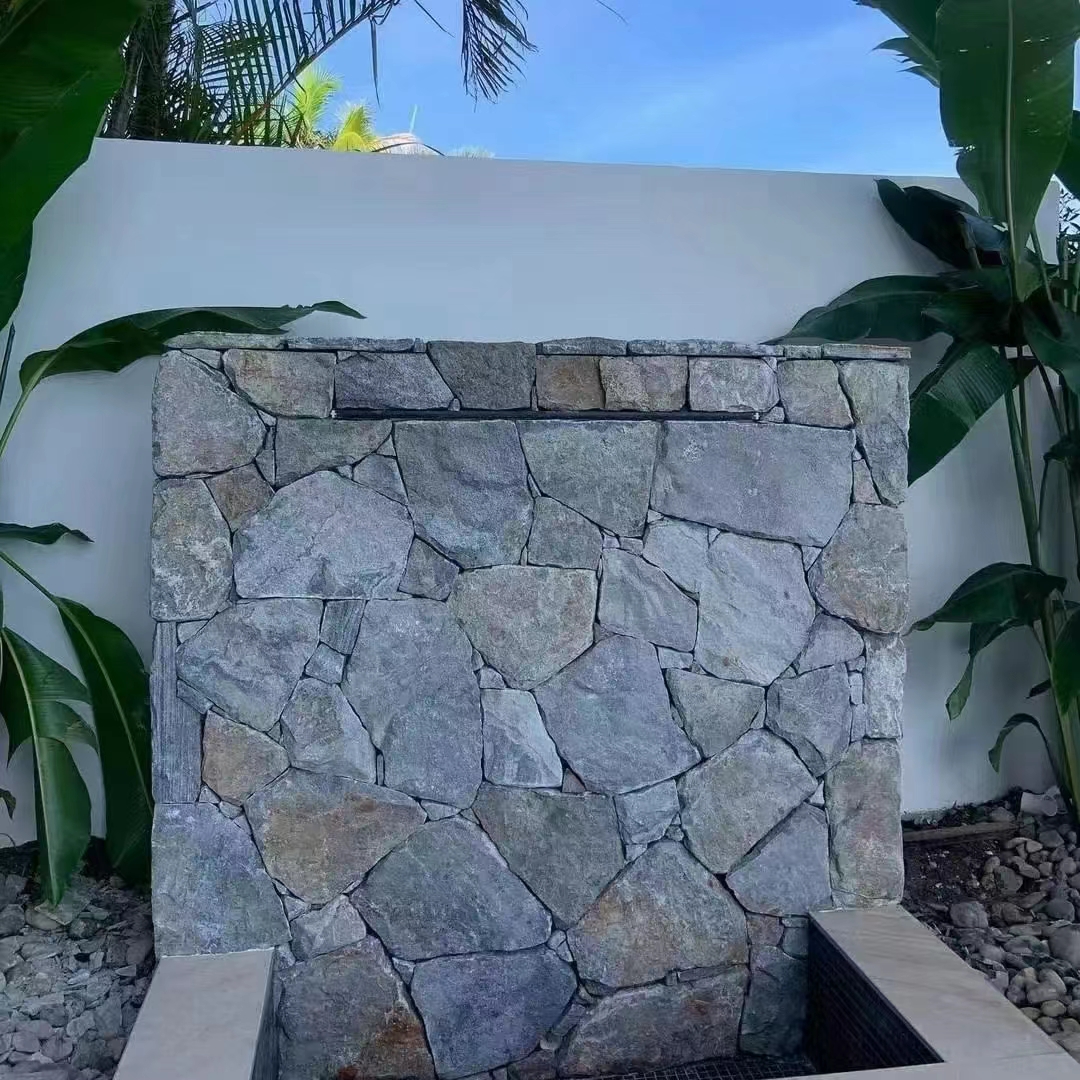
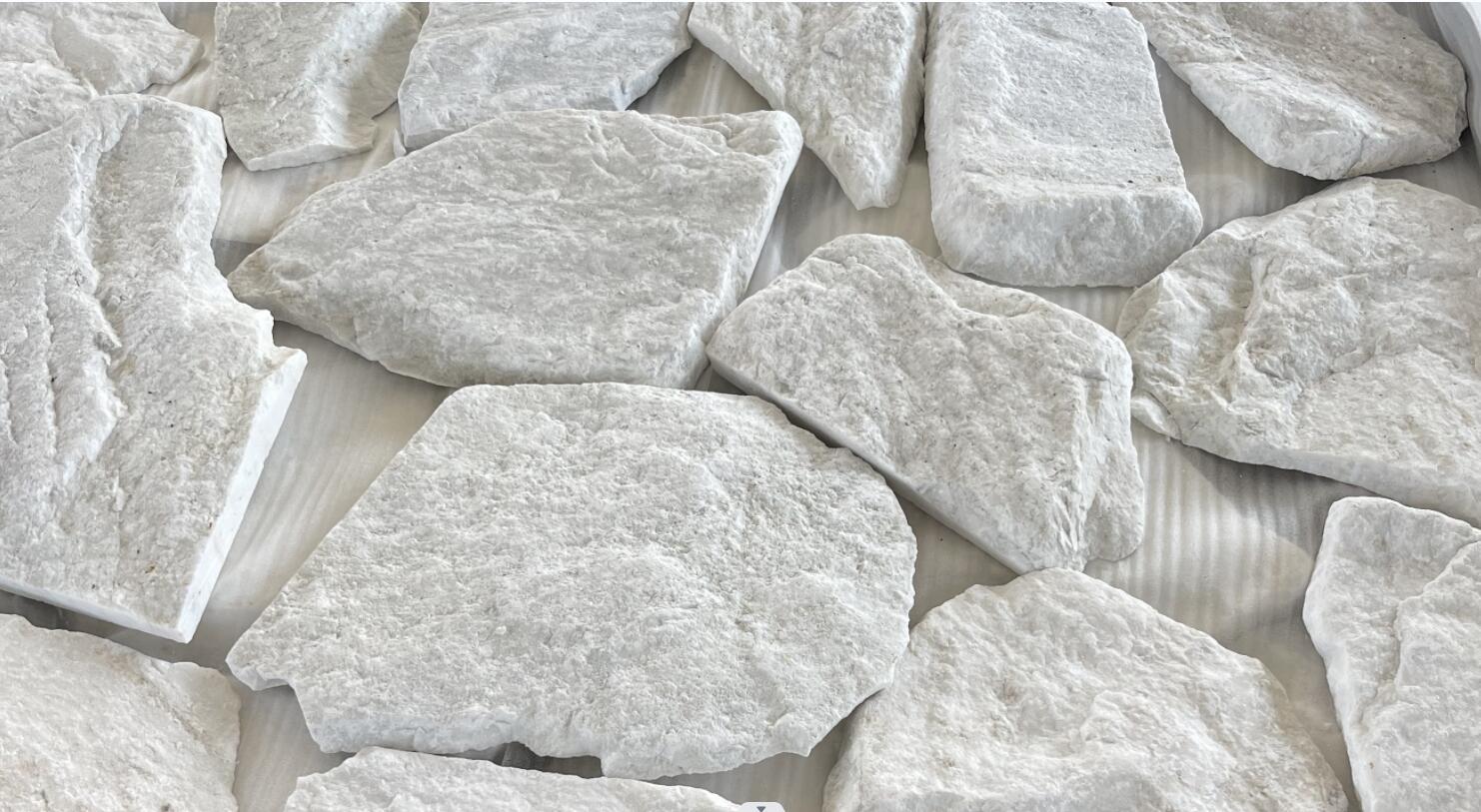
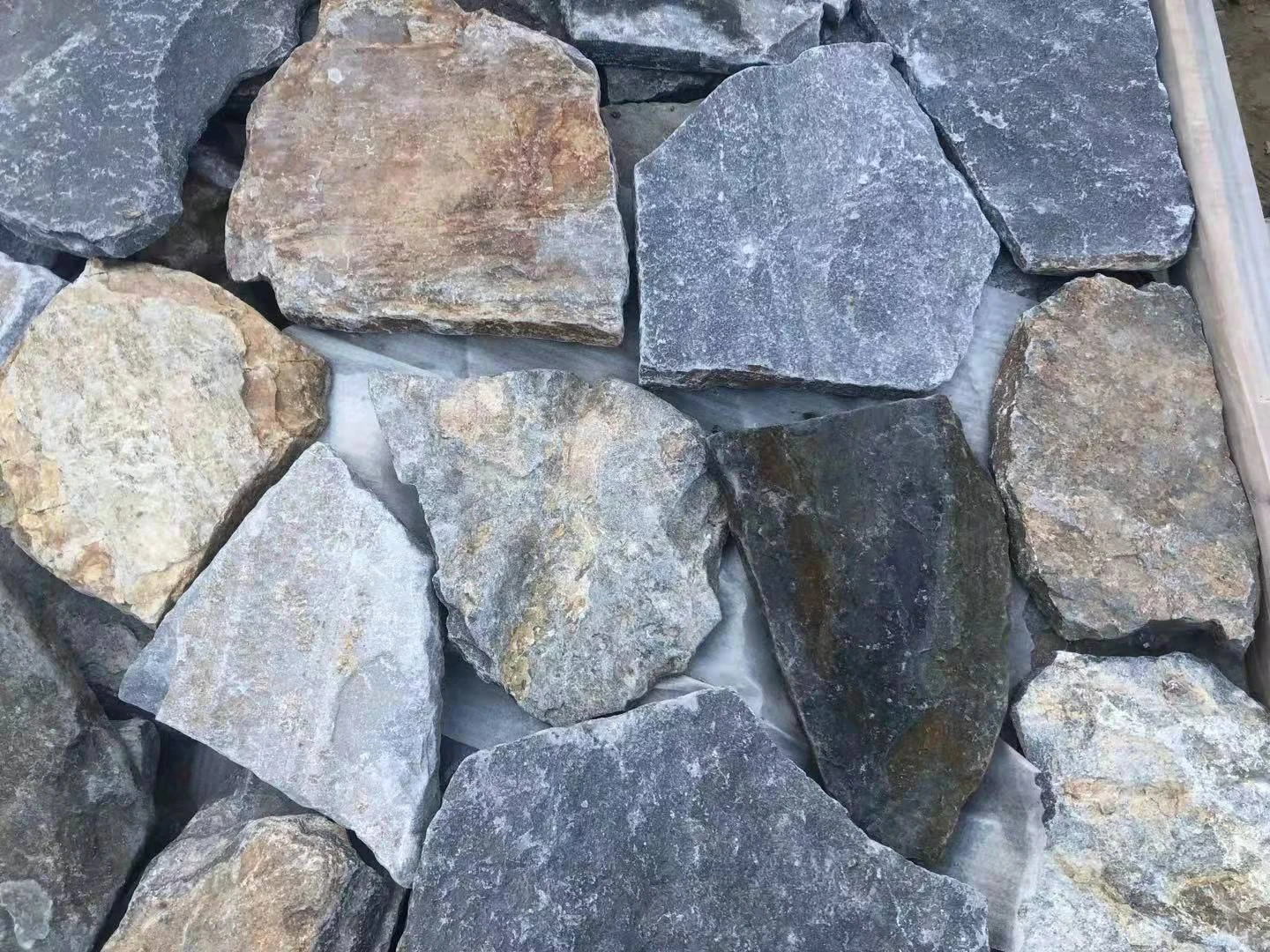
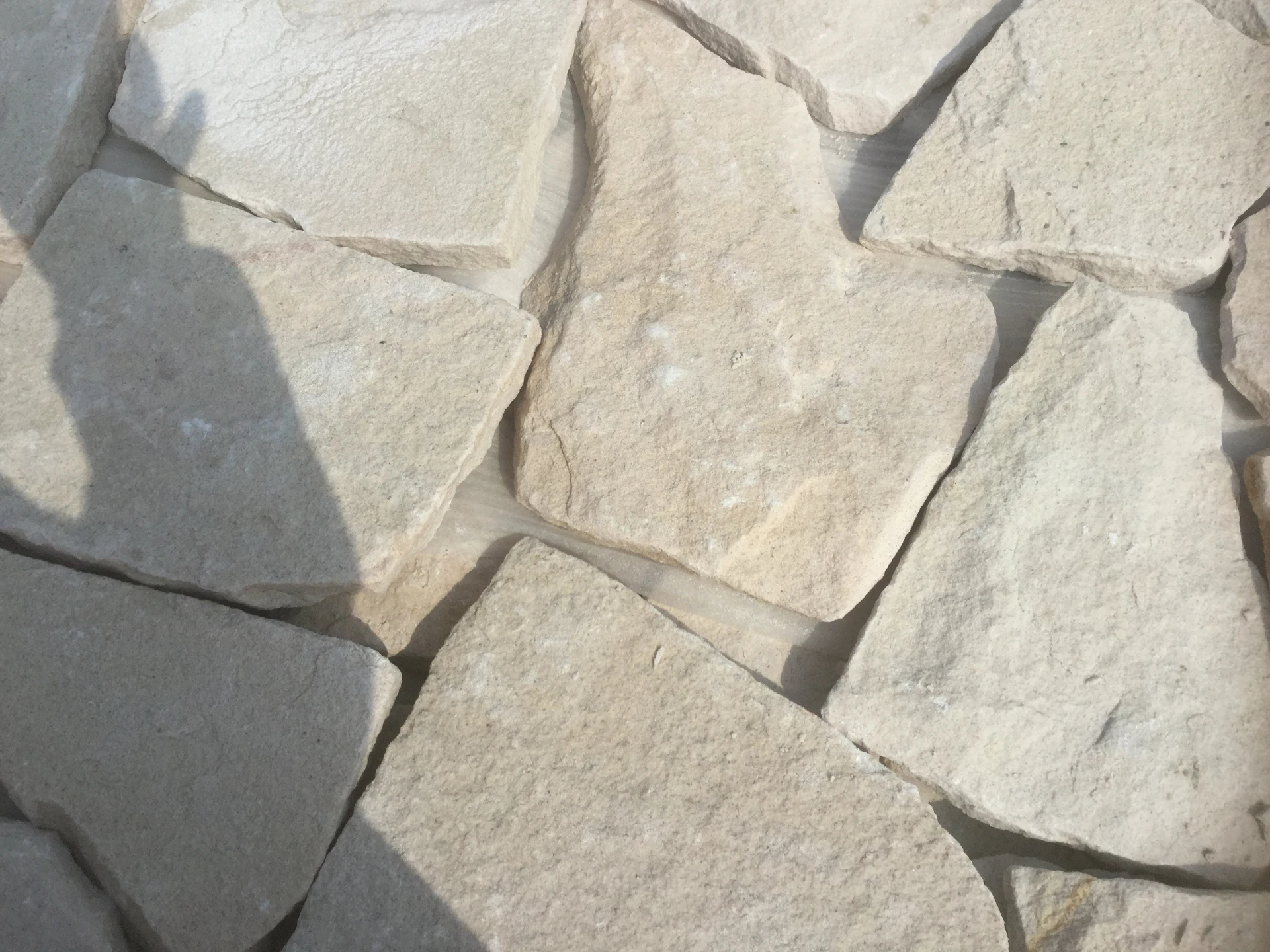
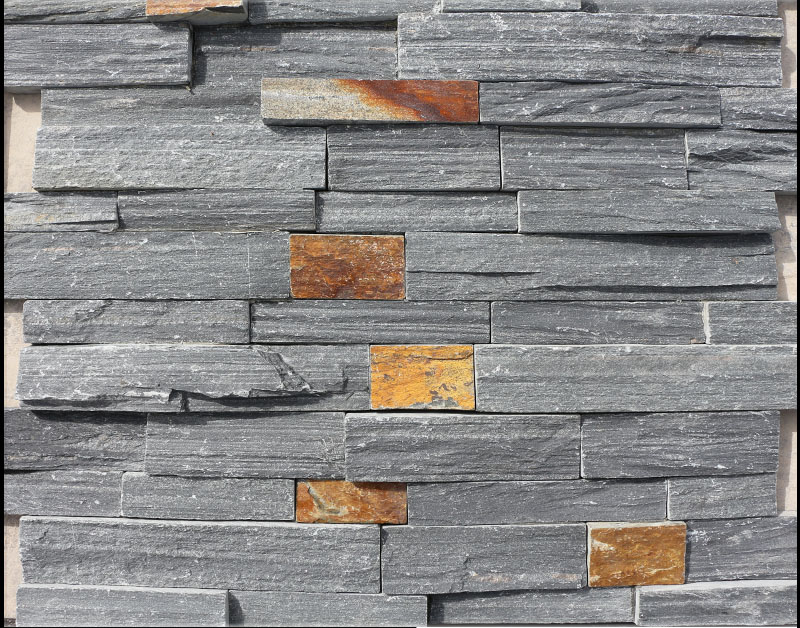
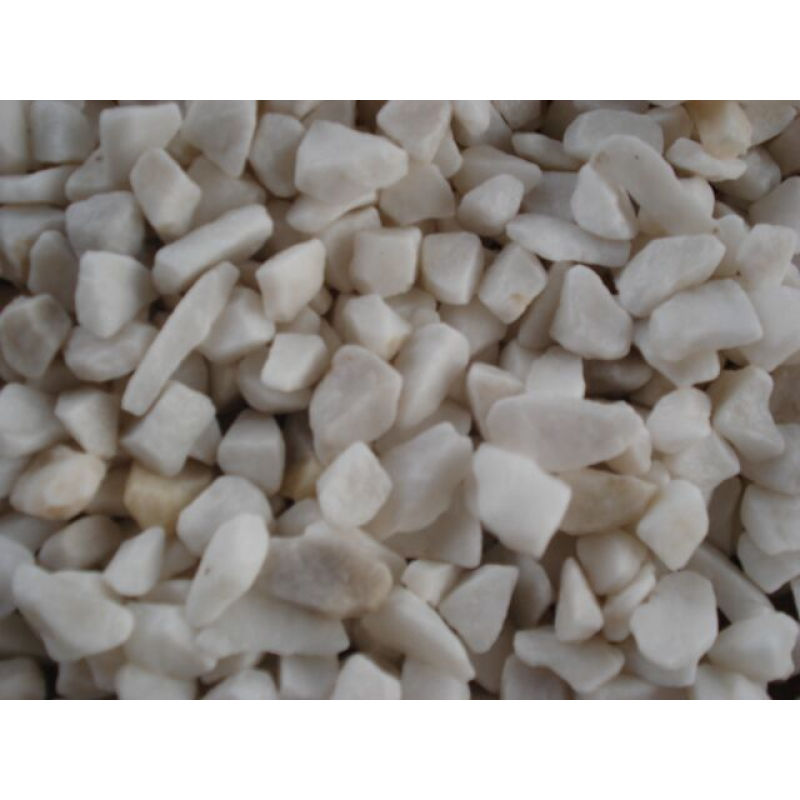
- Diversification of Aesthetics: Beyond traditional stone finishes, there's a surge in demand for unique visual textures and color palettes. This includes specialized options like decorative wall cladding exterior, sleek black mosaic patterns, rugged irregular black limestone, serene random blue quartz stone, sophisticated white sandstone cladding, and authentic slate wall cladding exterior. These options allow for distinctive architectural expressions that cater to a wide range of design philosophies, from minimalist contemporary to rustic charm.
- Enhanced Performance Requirements: Modern construction demands more than just aesthetics. Stone cladding is increasingly engineered to offer superior thermal insulation, acoustic dampening, and resistance to extreme weather conditions, including UV radiation, freeze-thaw cycles, and airborne pollutants. The integration of ventilated facade systems with outdoor stone wall cladding significantly improves building energy efficiency and extends material longevity.
- Advancements in Installation Systems: Innovations in mechanical fixing systems and panelized cladding solutions simplify installation, reduce labor costs, and improve structural integrity. These systems allow for precise alignment and quicker project completion, while also ensuring the long-term stability of various stone types, including robust quartzite cladding stone and dynamically arranged random stone wall cladding.
- Customization and Digital Fabrication: The ability to custom-cut, shape, and finish stone panels using advanced CNC technology allows for highly personalized designs, intricate patterns, and seamless integration with complex architectural geometries. This bespoke approach facilitates unique projects that demand specific aesthetic and functional criteria, from custom dimensions to unique surface treatments.
The Meticulous Manufacturing Process of House Cladding Stone
The production of high-quality house cladding stone involves a sophisticated sequence of steps, each meticulously controlled to ensure product integrity, aesthetic appeal, and adherence to stringent industry standards. This process transforms raw stone blocks into precision-engineered cladding panels suitable for demanding architectural applications.
1. Raw Material Sourcing & Selection
The foundation of superior stone cladding begins with the careful selection of natural stone blocks from reputable quarries. Common materials include granite, marble, limestone, slate, and quartzite, each chosen for its unique geological properties, color, texture, and suitability for specific environments. Expert geologists assess the stone's structural integrity, mineral composition, and aesthetic consistency to ensure it meets predefined quality benchmarks before extraction. For instance, limestone destined for petrochemical facilities might be tested for acid resistance, while quartzite for general exterior use is evaluated for hardness and weather resistance, ensuring optimal performance for its intended application.
2. Initial Block Processing (Quarry to Slab)
- Extraction: Large blocks are precisely quarried using advanced wire saws or diamond-tipped drills to minimize fracturing and preserve the stone's natural structure and aesthetic integrity.
- Transportation: Blocks are carefully transported to state-of-the-art processing facilities where they undergo initial cleaning, thorough inspection for flaws, and categorization based on quality and type.
- Slab Cutting: Massive blocks are expertly cut into smaller, manageable slabs using multi-wire saws or large gang saws equipped with diamond-impregnated blades. This phase demands precise calibration to achieve uniform slab thickness, a critical factor for subsequent fabrication processes and the final installation's seamless appearance.
3. Fabrication and Shaping (CNC Machining & Finishing)
Once slabs are prepared, they enter the fabrication stage where they are transformed into finished cladding panels. This involves several precision operations utilizing cutting-edge technology:
- Dimensioning: Slabs are cut to exact panel dimensions using automated bridge saws or highly sophisticated CNC (Computer Numerical Control) machining centers. CNC technology allows for intricate cuts, precise angles, and complex shapes, which is essential for custom architectural designs and specific panel types like stacked 3D panels.
- Surface Treatment: A variety of finishes can be applied to enhance the stone's aesthetic and functional properties, tailored to project specifications:
- Polished: A high-gloss, reflective surface that enhances natural colors.
- Honed: A smooth, matte finish that offers a softer, more understated look.
- Flamed: A rough, textured surface, often used for slip resistance and a rugged aesthetic (achieved by intense heat treatment).
- Sandblasted: An etched, granular texture that provides a uniform, slightly muted appearance.
- Split-face: A natural, rugged texture, common for random stone wall cladding and irregular black limestone, emphasizing the stone's natural character.
- Edge Treatment: Edges are meticulously cut, beveled, chamfered, or bullnosed as per design specifications to ensure clean lines, precise jointing, and optimal interlocking in complex systems.
- Panel Assembly (for Stacked/3D Panels): For products like the Popular Natural Stacked 3D Panel for Inside Wall, smaller, pre-cut stone pieces are carefully arranged and permanently bonded onto a robust backing material (e.g., mesh or cement board) to create a modular panel. This advanced process ensures the intended 3D effect and significantly simplifies on-site installation.
4. Quality Control & Testing Standards
Rigorous quality control is paramount at every stage of production. Each panel undergoes thorough visual inspection for consistency in color, texture, and precise dimensioning. Furthermore, representative samples from each batch are subjected to comprehensive laboratory testing to verify their physical and mechanical properties against stringent international standards, ensuring peak performance and durability:
- ISO 9001 Certification: Ensures a robust, internationally recognized quality management system is implemented throughout the entire manufacturing process, guaranteeing consistent product quality.
- ASTM Standards (e.g., ASTM C170, C97, C880): Comprehensive testing for critical properties such as compressive strength, water absorption, abrasion resistance, and flexural strength. For example, ASTM C170 specifically outlines the compressive strength requirements for architectural natural building stone, crucial for structural integrity.
- Freeze-Thaw Resistance: Critically important for exterior applications in regions experiencing varying climates. Testing, often conducted according to standards like EN 12371, verifies the stone's ability to withstand repeated freezing and thawing cycles without degradation.
- Slip Resistance: For panels intended for lower facade sections or accessible areas, testing according to standards such as ASTM C1028 or DIN 51130 ensures safety.
- Chemical Resistance: Especially important for industrial target industries like petrochemicals and water supply & drainage, where exposure to corrosive agents or specific chemical environments is a concern. Relevant tests ensure the stone maintains its integrity and appearance.
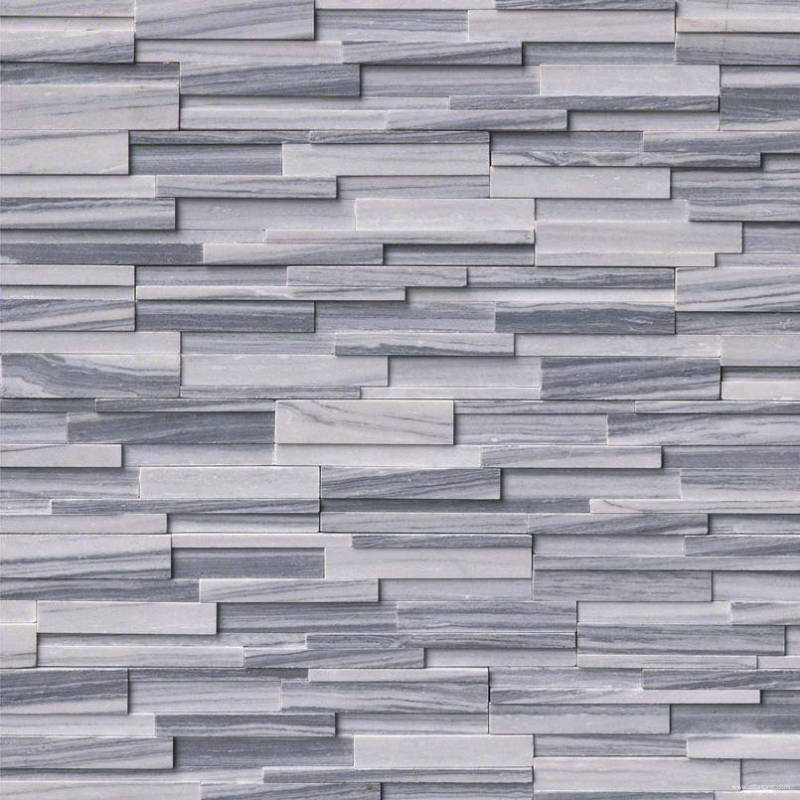
Image: Precision cutting of house cladding stone panels in a modern, technologically advanced facility.
5. Packaging & Logistics
Finished and meticulously inspected panels are carefully packed onto robust, custom-built pallets or in specialized crates, often utilizing interleaf protection and shrink-wrap, to prevent any damage during handling and transit. Our streamlined logistics network ensures timely, secure, and cost-effective delivery to construction sites globally, adhering to project timelines and specifications.
Technical Specifications and Performance Parameters of House Cladding Stone
Understanding the intrinsic technical specifications of various natural stones is critical for selecting the appropriate material for specific project requirements. These parameters dictate the stone's durability, longevity, and suitability for diverse environmental conditions, ensuring optimal structural and aesthetic performance.
Typical Physical and Mechanical Properties of Common Cladding Stones
| Property |
Limestone |
Quartzite |
Sandstone |
Slate |
| Density (kg/m³) |
2400-2700 |
2600-2800 |
2200-2600 |
2700-2800 |
| Water Absorption (%) (by weight, ASTM C97) |
0.5-3.0 |
<0.5 |
1.0-6.0 |
<0.4 |
| Compressive Strength (MPa, ASTM C170) |
50-150 |
150-300+ |
40-120 |
100-200 |
| Flexural Strength (MPa, ASTM C880) |
5-15 |
15-30+ |
4-10 |
10-25 |
| Mohs Hardness |
3-4 |
7 |
6-7 |
2.5-4 |
| Thermal Conductivity (W/m·K) |
1.5-2.5 |
2.5-3.5 |
1.0-2.0 |
1.5-2.5 |
| Typical Panel Thickness (mm) |
10, 15, 20, 25, 30 (can vary based on stone type and application; 20mm is common for exterior) |
| Typical Panel Dimensions (mm) |
600x300, 600x400, 600x600, 1200x600 (custom sizes readily available up to 2400x1200mm) |
Data compiled from typical industry specifications and general geological properties. Actual values may vary by quarry and specific stone variety. Consult product datasheets for precise specifications.

Image: Architectural rendering featuring contemporary stone cladding design. (Note: The provided image URL points to a homepage and may not display as an image.)
Adherence to International Standards
Our selection of natural stone materials and the sophisticated manufacturing processes are strictly aligned with global quality and performance standards. This includes adherence to ISO 9001 for quality management systems, ASTM International standards for testing physical properties of natural building stone, and European EN standards where applicable (e.g., EN 1341 for exterior paving, EN 12372 for flexural strength under concentrated load). These certifications provide a robust framework for ensuring the consistent quality, reliability, and safety demanded by B2B projects across diverse climatic and structural requirements worldwide.
Versatile Application Scenarios for High-Quality Stone Cladding
The inherent versatility and aesthetic appeal of natural stone make it an ideal choice for a broad spectrum of architectural applications, ranging from large-scale commercial developments to bespoke residential projects. Stone cladding is not merely a decorative element but a functional component contributing significantly to a building's thermal envelope, structural longevity, and overall resilience.
- Exterior Facades of Commercial & Institutional Buildings: For high-rise offices, luxury hotels, educational institutions, and healthcare facilities, natural stone cladding provides a prestigious, exceptionally durable, and low-maintenance exterior. Materials like quartzite cladding stone are favored for their extreme hardness and superior resistance to weathering and abrasion, offering a service life exceeding 50 years with minimal degradation. Ventilated stone facade systems further enhance energy efficiency by creating an essential air gap that significantly reduces heat transfer.
- Residential Exteriors: From high-end luxury homes to multi-family dwellings, stone cladding dramatically elevates curb appeal and provides superior protection against the elements. Options like white sandstone cladding or slate wall cladding exterior offer distinct aesthetic palettes, complementing various architectural styles from modern minimalist to classic rustic. The natural thermal mass of stone also contributes to more stable indoor temperatures, enhancing comfort and reducing energy consumption.
- Interior Feature Walls and Architectural Elements: While this article primarily focuses on exterior applications, the elegance and textural depth of natural stone are highly valued in interior design. Products such as the Popular Natural Stacked 3D Panel for Inside Wall exemplify this, creating dramatic focal points in hotel lobbies, corporate reception areas, high-end retail spaces, and luxury residential interiors. Other interior uses include striking fireplace surrounds, captivating accent walls, and sophisticated bar fronts.
- Landscaping and Hardscaping: Beyond vertical building surfaces, outdoor stone wall cladding is extensively utilized for robust retaining walls, elegant garden features, durable perimeter walls, and outdoor kitchens, integrating structures seamlessly with the natural environment. Random stone wall cladding in these contexts offers a particularly rustic, organic, and timeless aesthetic.
- Specialized Industrial Environments: Certain types of dense stone cladding, particularly those with high chemical resistance and low porosity, are suitable for specific industrial applications. For instance, dense granites or specific limestones can be used in areas requiring enhanced corrosion resistance, relevant to sectors such as petrochemical facilities where incidental splashes or atmospheric fumes might occur, or within water supply & drainage facilities where aesthetic integration, long-term durability, and resistance to moisture are also desired for external structures and administrative buildings.
- Infrastructure Projects: Public infrastructure such as bridges, tunnels, and monuments often utilize robust stone cladding for its exceptional structural integrity, resistance to vandalism, and timeless appeal, ensuring that these vital structures endure for centuries while maintaining their grandeur.
Technical Advantages of Utilizing Natural House Cladding Stone
The strategic selection of natural house cladding stone for architectural projects confers a multitude of technical and functional advantages that contribute significantly to a building's performance, longevity, and overall value proposition. These benefits extend well beyond mere aesthetics, addressing critical engineering and sustainability considerations for discerning B2B clients.
- Exceptional Durability and Longevity: Natural stone is renowned for its inherent strength and resilience. It can withstand significant mechanical stresses, impacts, and abrasive forces without showing considerable wear over extended periods. Properly installed outdoor stone wall cladding can boast a service life spanning centuries, significantly outperforming many synthetic alternatives and drastically reducing the lifecycle costs associated with frequent maintenance and premature replacement.
- Superior Weather Resistance: Stone cladding offers excellent resistance to a wide array of environmental stressors. Its naturally low water absorption rates (especially for materials like quartzite cladding stone and dense slate) effectively prevent freeze-thaw damage, while its intrinsic UV stability ensures that colors and textures remain vibrant and fade-resistant for decades, unlike painted or synthetic finishes that degrade under solar exposure.
- Enhanced Thermal and Acoustic Performance: The natural density and significant thermal mass of stone contribute profoundly to a building's energy efficiency. Stone cladding acts as an effective thermal buffer, slowing heat transfer and consequently reducing the demand on HVAC systems for both heating and cooling, leading to substantial energy saving. Furthermore, it provides excellent sound dampening properties, creating quieter, more comfortable indoor environments, a crucial advantage in bustling urban settings.
- Low Maintenance Requirements: Unlike facades that demand frequent painting, sealing, or extensive cleaning, natural stone cladding typically demands minimal maintenance. Routine cleaning with plain water is often sufficient to retain its aesthetic appeal. The intrinsic hardness of stones like granite and quartzite also makes them highly resistant to scratching, etching, and staining, simplifying upkeep.
- Inherent Fire Resistance: As a completely non-combustible material, natural stone offers superior fire resistance compared to many other cladding options. This inherent property significantly contributes to enhanced building safety and ensures stringent compliance with modern fire codes, offering peace of mind.
- Corrosion Resistance and Chemical Stability: For applications in specific industrial sectors like petrochemical and certain water treatment facilities, selecting appropriate natural stone provides a distinct advantage due to its remarkable chemical inertness. While not designed for direct chemical containment, certain dense stones resist degradation from atmospheric pollutants, acid rain, and incidental contact with mild chemicals, thereby preserving structural integrity and aesthetics over the long term, reducing corrosion resistance concerns.
- Sustainable and Environmentally Sound: Natural stone is a naturally occurring resource with a relatively low embodied energy footprint compared to manufactured materials requiring extensive industrial processes. Its extreme longevity also contributes significantly to sustainability by dramatically reducing the need for premature replacement and waste generation, aligning with green building certifications. Reputable suppliers adhere to ethical quarrying practices and prioritize minimizing environmental impact throughout their operations.
- Aesthetic Versatility and Value Enhancement: The timeless beauty, unique patterns, and diverse finishes of natural stone, ranging from striking black mosaic to elegant random blue quartz stone, add significant aesthetic value to any property. This natural elegance translates into higher perceived value, superior marketability, and long-term prestige for both commercial and residential developments. The diverse finishes possible (honed, polished, flamed, split-face for irregular black limestone or decorative wall cladding exterior) allow for unparalleled design flexibility to realize unique architectural visions.
Image: A completed facade showcasing the robust beauty of an exterior stone cladding solution. (Note: The provided image URL points to a homepage and may not display as an image.)
Vendor Comparison: Key Considerations for House Cladding Stone Suppliers
Selecting the right supplier for house cladding stone is as crucial as choosing the stone itself. A thorough vendor comparison ensures not only product quality but also reliability in service, technical support, and seamless project fulfillment. B2B decision-makers should evaluate potential partners based on a comprehensive set of criteria to mitigate risks and ensure project success.
Comparative Analysis Framework for Stone Cladding Vendors
| Criterion |
High-Performance Vendor (e.g., DFL Stones) |
Standard Vendor |
Budget Vendor |
| Material Quality & Sourcing |
Direct quarry partnerships, strict QC, diverse stone types (quartzite, slate, limestone). ISO 9001 certified. Traceable origins. |
Varied sourcing, some international partners, general QC adherence. Limited traceability. |
Primarily local/opportunistic sourcing, basic quality checks. Limited variety and consistency. |
| Fabrication Capabilities |
Advanced CNC machining, custom cuts, 3D panel expertise (e.g., stacked panels). Comprehensive surface finishes. Precision tolerances. |
Standard cutting, limited custom shapes. Common finishes. Basic dimensional accuracy. |
Basic cutting methods, only standard sizes and common finishes. Lower precision. |
| Technical Support & Design |
Dedicated project managers, CAD/BIM support, engineering consultation, mock-up creation, site visits. Proactive collaboration. |
Basic design assistance, limited technical consultation. Reactive support. |
Sales-focused support only, minimal technical expertise. |
| Lead Time & Logistics |
Streamlined global logistics, clear lead time commitments (e.g., 4-6 weeks for custom orders), secure packaging. Global delivery network. |
Variable lead times, standard shipping practices. Regional delivery. |
Longer lead times for custom orders, limited shipping options. High risk of delays. |
| Certifications & Compliance |
ISO 9001, ASTM/EN compliance, CE marking where applicable. Sustainability certifications (e.g., LEED contributions). |
Some regional certifications. General adherence to industry norms. |
Few, if any, official certifications. May not meet international standards. |
| Warranty & After-Sales |
Comprehensive product warranty (e.g., 10-25 years), dedicated customer support, proactive issue resolution, full documentation. |
Limited warranty (e.g., 1-5 years), reactive support. Basic post-sale assistance. |
No explicit warranty, minimal after-sales support. High risk for long-term issues. |
| Pricing Structure |
Transparent, competitive pricing for premium quality and comprehensive service. Value-driven. |
Mid-range, potential for hidden costs in design or installation support. |
Lower initial cost, but high potential for higher long-term costs due to quality issues, repairs, or replacements. |
This table is illustrative and encourages B2B buyers to conduct their own detailed due diligence based on project-specific needs and long-term value.
Customized Solutions for Unique Architectural Visions
Recognizing that every architectural project has its distinct challenges and aesthetic aspirations, leading suppliers of natural stone cladding offer comprehensive customized solutions. This bespoke approach ensures that designers and developers are not constrained by standard product offerings but can fully realize their precise vision, no matter how complex or unique.
- Tailored Dimensions and Shapes: Beyond standard panel sizes (e.g., 600x600mm), manufacturers can produce custom-sized slabs and pre-cut pieces, including intricate geometric patterns for complex facades or specific architectural features. This is particularly valuable for projects requiring unique random stone wall cladding layouts, large-format panels, or seamless integration around non-standard openings and curvilinear forms.
- Specialized Finishes and Textures: While common finishes include polished, honed, flamed, and sandblasted, customization extends to unique textures that dramatically enhance the tactile and visual qualities of the stone. This can include specialized brushing techniques, water jet finishes, or a combination of multiple treatments to achieve a desired effect for decorative wall cladding exterior or a distinctive black mosaic pattern.
- Material Blends and Combinations: For projects seeking multi-tonal or multi-textured facades, suppliers can facilitate the combination of different natural stones (e.g., irregular black limestone with white sandstone cladding) or integrate stone panels with other complementary materials like metal, glass, or wood, creating dynamic and truly modern elevations.
- Pre-fabrication and Modular Systems: To optimize on-site installation time, reduce labor costs, and enhance precision, customized solutions often include pre-assembled modules or unitized panels. This is highly beneficial for complex stacked stone designs or facades requiring exact alignment and repeatability, significantly improving quality control and accelerating project timelines.
- Color Matching and Consistency: For projects spanning multiple phases or requiring seamless extensions, suppliers can meticulously source and batch stones to ensure optimal color and grain consistency, crucial for maintaining a cohesive and uniform aesthetic across an entire development, even years apart.
- Engineering and Design Support: True customization involves deep collaborative engineering. This includes providing detailed CAD drawings, advanced 3D modeling, comprehensive structural analysis for various fixing systems, and even mock-up production to rigorously validate design and performance before full-scale manufacturing commences. Expertise in local building codes, performance requirements (e.g., wind load, seismic resistance), and sustainability goals is seamlessly integrated into the design phase.
By leveraging advanced manufacturing technologies like CNC machining and a deep understanding of natural stone properties, reputable suppliers can deliver tailored stone cladding solutions that meet the most demanding specifications and aesthetic objectives, transforming conceptual designs into tangible, high-performance, and enduring realities.
Application Case Studies: Demonstrating Excellence in House Cladding Stone
Real-world application case studies provide tangible evidence of the superior performance, profound aesthetic impact, and long-term value delivered by high-quality natural stone cladding. These examples highlight diverse projects where natural stone has been instrumental in achieving architectural distinction and operational efficiency, validating its choice for discerning B2B clients.
Case Study 1: Luxury Corporate Headquarters – Urban Revitalization
Project Scope: Cladding for a new 15-story corporate headquarters building situated in a bustling metropolitan area. The client required a sophisticated, prestigious, yet robust exterior that would reflect their brand identity and withstand urban environmental stressors.
Stone Solution: Over 10,000 square meters of precision-cut quartzite cladding stone in large format panels (1200x600mm) with a refined honed finish. The installation meticulously utilized an advanced ventilated facade system, optimizing thermal performance and moisture management.
Advantages Demonstrated: The quartzite cladding stone provided exceptional durability against urban pollution, acid rain, and extreme weather fluctuations. Its exceptionally low porosity ensured minimal water absorption, which is crucial for superior freeze-thaw resistance in temperate climates. The integrated ventilated system contributed to an audited 15% reduction in cooling loads during summer months and a 10% reduction in heating demand during winter, demonstrating significant energy saving. The elegant, uniform appearance of the stone projected a powerful corporate image, substantially enhancing the building's prestige, market value, and its iconic status in the city skyline. Client feedback consistently highlighted the ease of maintenance and the timeless aesthetic that is projected to endure for many decades without significant degradation.
Case Study 2: Coastal Residential Estate – Extreme Weather Resilience
Project Scope: A multi-unit luxury residential development strategically situated on a windswept coastline. The project demanded materials capable of withstanding constant salt spray, high winds, intense UV exposure, and potential seismic activity.
Stone Solution: A robust combination of slate wall cladding exterior for its laminar strength and rich, dark tones, expertly blended with random blue quartz stone for distinctive accent walls. Both materials were installed with heavy-duty, corrosion-resistant mechanical anchors designed for high-wind uplift and seismic zones.
Advantages Demonstrated: The slate wall cladding exterior proved highly resistant to erosion from salt-laden winds and offered superior protection against moisture ingress, preventing long-term structural damage to the building envelope. The chosen stones maintained their vibrant natural color and structural integrity despite constant, intense sun exposure and harsh coastal conditions. Post-installation inspections and drone surveys confirmed zero degradation or material fatigue after five years of exposure, largely attributed to the robust corrosion resistance inherent in these specific stone types and the high-performance anchoring systems employed. Residents consistently praised the unique aesthetic appeal and the added sense of security and durability provided by the solid stone facade, affirming a wise investment for a challenging environment.
Case Study 3: Wastewater Treatment Plant Administration Building – Functional Aesthetics
Project Scope: Cladding for the administration and visitor center of a new municipal wastewater treatment facility. The requirement was for a durable, aesthetically pleasing exterior that could withstand a potentially corrosive atmosphere while blending harmoniously into the surrounding industrial and natural landscape.
Stone Solution: Irregular black limestone with a natural split-face finish, combined with elements of smooth white sandstone cladding for striking contrast and visual interest, installed using a robust masonry veneer system designed for long-term stability.
Advantages Demonstrated: The dense, low-porosity nature of the irregular black limestone contributed to excellent corrosion resistance against mild atmospheric chemicals and fumes potentially present around the facility, ensuring long-term aesthetic integrity and structural performance. Its dark, textured surface provided a striking and sophisticated contrast with the lighter, smooth sandstone, creating a visually engaging facade that harmonized effectively with the industrial context yet offered a professional and welcoming appearance for visitors. The choice of natural stone eliminated the need for frequent repainting or specialized coatings, contributing to significantly low maintenance requirements and long-term operational cost savings, perfectly aligning with the facility's overall goals for efficiency and sustainability. This project exemplifies how natural stone can elevate even utilitarian structures into architectural assets.
Trustworthiness and Commitment: FAQs, Lead Time, Warranty & Support
Establishing trust and ensuring long-term client satisfaction are paramount in B2B partnerships. Our unwavering commitment is demonstrated through clear communication, robust guarantees, and dedicated support for all our natural stone cladding solutions.
Frequently Asked Questions (FAQ)
- Q: What is the typical service life of your stone cladding systems?
- A: With proper installation and minimal routine maintenance, our natural stone cladding systems are meticulously engineered for an exceptional service life of 50 years or more, often exceeding 100 years for robust materials like granite and quartzite, ensuring unparalleled long-term value and return on investment.
- Q: Can your house cladding stone be used in extreme climate conditions?
- A: Yes, absolutely. Our stones undergo rigorous freeze-thaw and accelerated weather resistance testing, making them impeccably suitable for diverse and challenging climates, ranging from arid deserts to freezing tundra, and even highly corrosive coastal environments. Material selection and specific installation methods are always expertly tailored to precise project locations and prevailing environmental conditions.
- Q: Do you offer installation guidance or preferred installer networks?
- A: We provide comprehensive technical specifications, detailed architectural drawings, and precise installation guides. While we do not directly engage in installation, we can often recommend experienced and certified contractors within our network or provide specialized training for client-selected installation teams to ensure the optimal and correct application of our stone cladding products.
- Q: Are your stone products sustainably sourced?
- A: We are deeply committed to responsible and ethical sourcing from quarries that rigorously adhere to environmental regulations, sustainable extraction practices, and fair labor standards. We prioritize minimizing our ecological footprint throughout the entire supply chain, contributing to green building initiatives.
- Q: What is the difference between quartzite cladding stone and slate wall cladding exterior?
- A: Quartzite is a very hard, durable metamorphic rock, highly resistant to abrasion, chemicals, and weathering, often characterized by a sparkling, crystalline sheen. Slate is a finer-grained metamorphic rock renowned for its distinctive cleavage (ability to split into thin, strong sheets) and typically presents in darker, earthy tones, offering a more rustic or natural split-face aesthetic. Both are excellent choices for exterior cladding, depending on the desired aesthetic, specific performance needs, and architectural style.
Lead Time & Fulfillment Details
Our lead times are strategically managed to align seamlessly with demanding project schedules. For standard natural stone cladding products, typical lead times range from 3-5 weeks from confirmed order, subject to current stock availability and order volume. Custom orders, due to specialized fabrication and stringent quality control processes, generally require a lead time of 6-8 weeks. We maintain robust supply chain management and transparent communication protocols, providing regular updates on production milestones and shipping status. Expedited shipping options are available upon specific request and are dependent on destination and carrier capacity. All products are meticulously packed in custom crates with advanced protection to prevent any damage during transit, ensuring they arrive at your site in pristine condition, ready for installation.
Comprehensive Warranty Commitments
We unequivocally stand behind the superior quality and exceptional durability of our natural stone cladding products with a comprehensive, industry-leading warranty. Our standard product warranty covers material defects and significant deviations from published specifications for an impressive period of 10 to 25 years, depending on the specific stone type and its intended application (e.g., typically longer for denser exterior stones exposed to harsh elements). This warranty covers manufacturing faults under normal use and proper installation as per our detailed guidelines. Full warranty terms and conditions, meticulously outlined for clarity and transparency, are provided with every quotation, ensuring complete peace of mind and confidence for our valued B2B clients.
Dedicated Customer Support and After-Sales Service
Our unwavering commitment to our clients extends far beyond the point of delivery. We offer dedicated, expert customer support throughout the entire project lifecycle, from initial consultation and meticulous material selection to comprehensive post-installation inquiries and maintenance advice. Our experienced technical team is readily available to address any questions regarding product specifications, optimal installation best practices, and long-term care. Should any unforeseen issues arise, our highly responsive after-sales support team is expertly equipped to provide prompt, effective, and efficient resolution, ensuring minimal disruption to your project and upholding our reputation for reliability. We firmly believe in fostering long-term, mutually beneficial partnerships founded on unparalleled reliability, profound expertise, and shared success.
Conclusion: The Enduring Value of Natural Stone Cladding
The selection of house cladding stone represents a strategic, long-term investment in the longevity, superior performance, and enduring aesthetic prestige of any architectural endeavor. From its meticulous manufacturing process and rigorous adherence to international testing standards to its unparalleled durability, significant energy-saving properties, and exceptional design flexibility, natural stone cladding consistently offers a superior, value-driven solution for discerning B2B clients and visionary architects.
As contemporary construction trends increasingly lean towards sustainable, high-performance, and visually distinctive materials, natural stone continues to unequivocally prove its timeless and enduring value. By partnering with experienced suppliers who prioritize uncompromising quality, intricate customization, and comprehensive, dedicated support, architects and developers can confidently specify stone cladding that will not only meet but far exceed contemporary demands, creating structures that stand as magnificent testaments to timeless design, engineering excellence, and sustainable building practices for generations to come.
References
- ASTM International. "Standard Test Method for Compressive Strength of Dimension Stone." ASTM C170/C170M.
- ISO. "Quality management systems — Requirements." ISO 9001:2015.
- European Committee for Standardization. "Natural stone test methods – Determination of resistance to frost attack." EN 12371.
- The Natural Stone Institute. "Dimension Stone Design Manual." Version 8.2.
- The Marble Institute of America. "Selecting and Specifying Natural Stone."