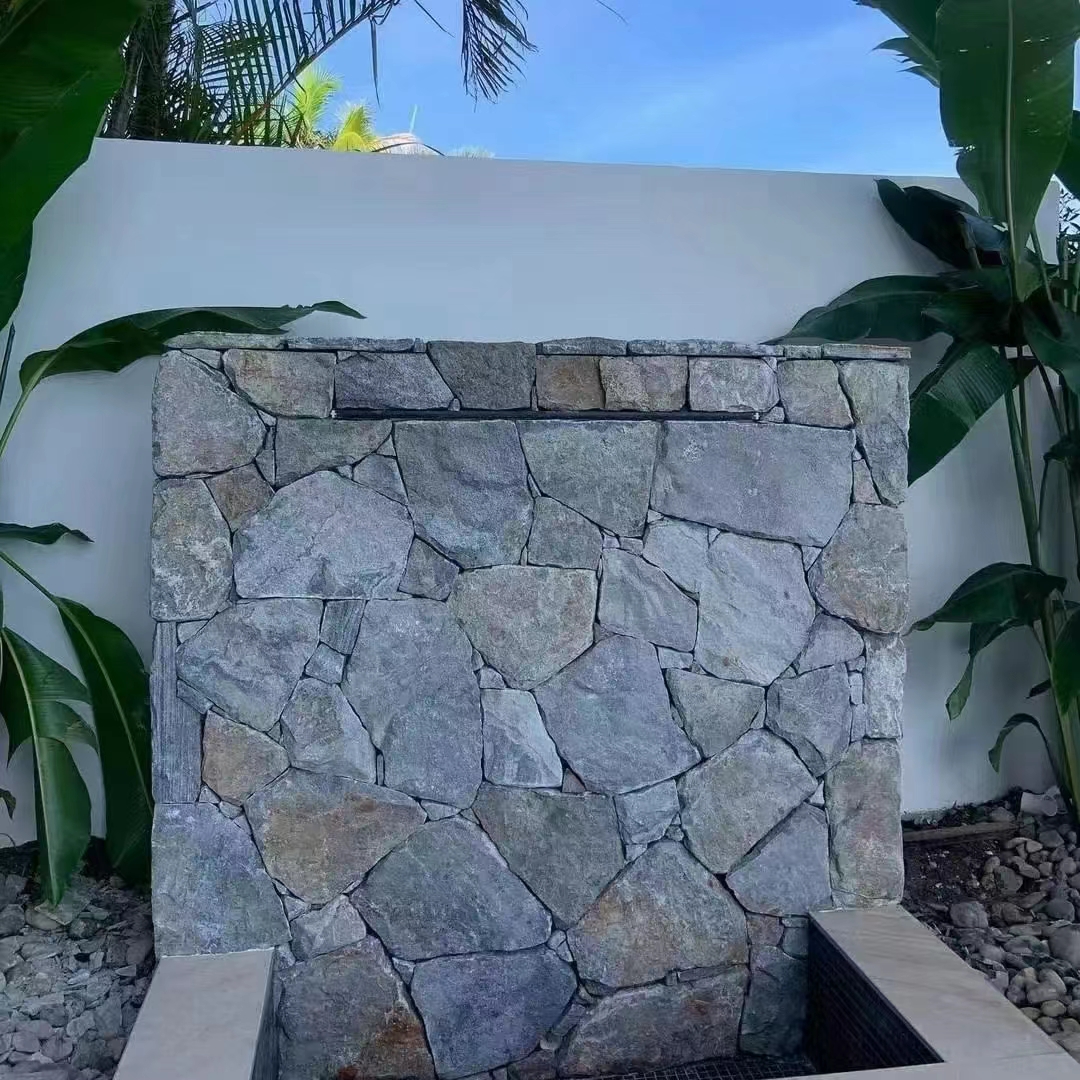
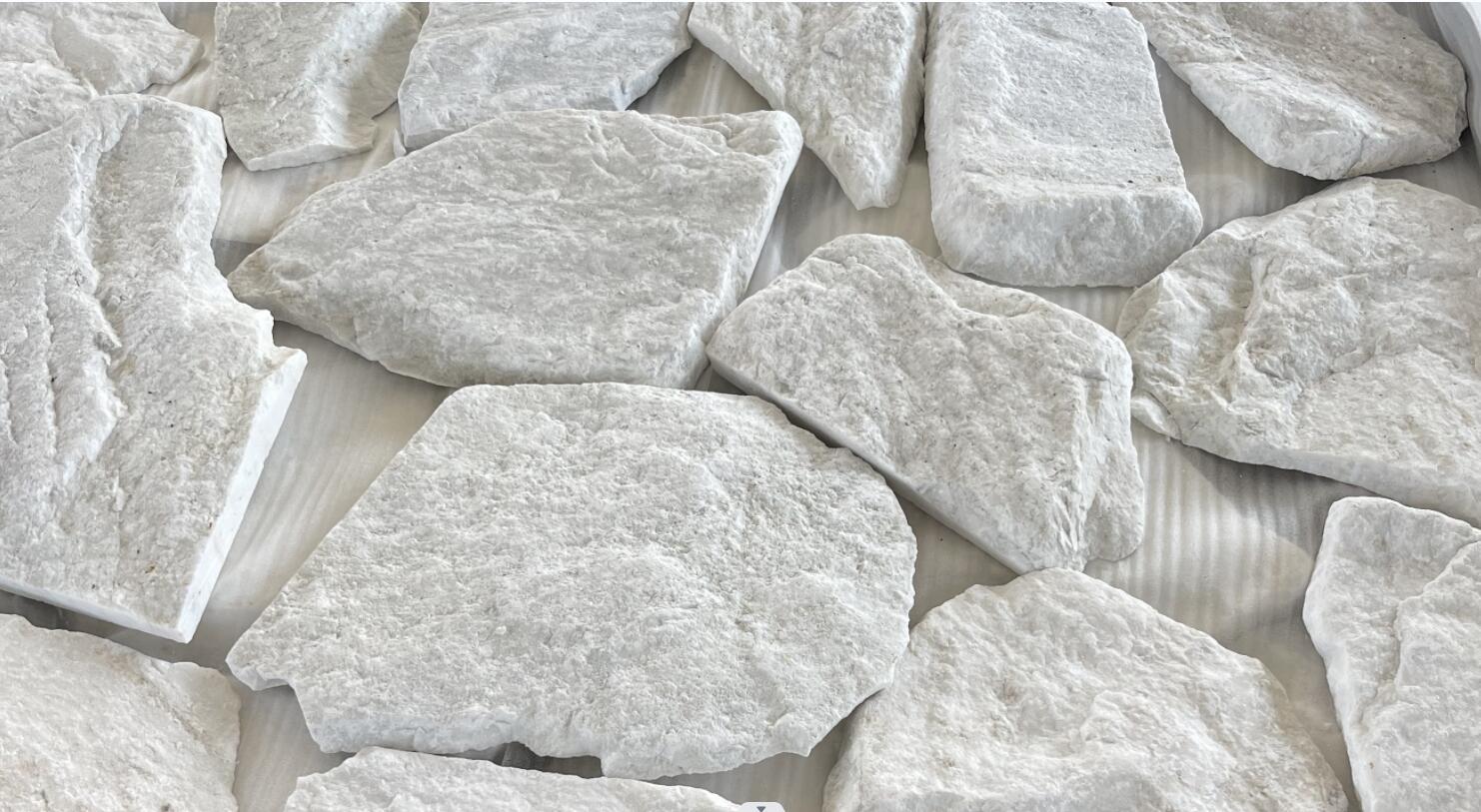
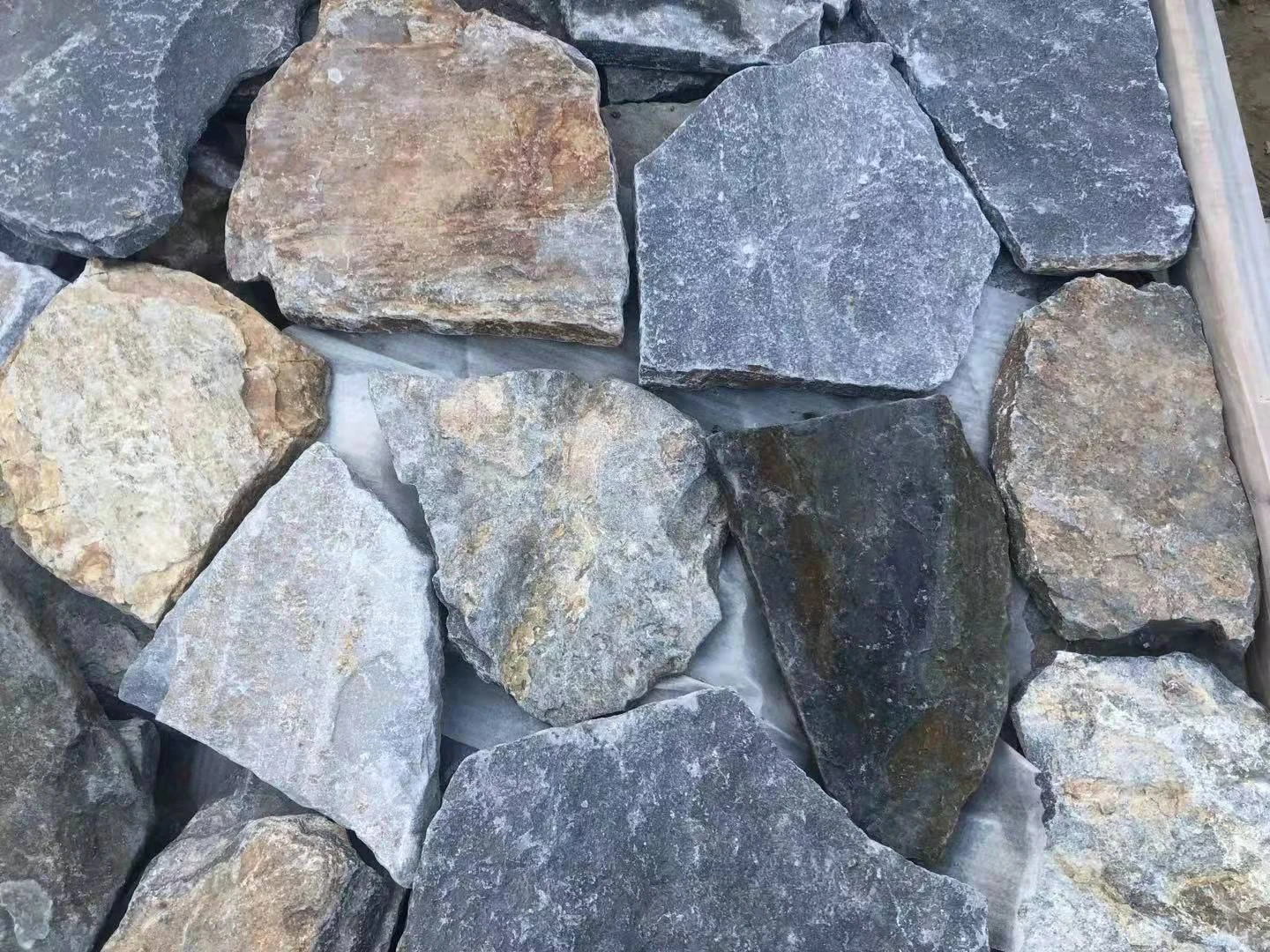
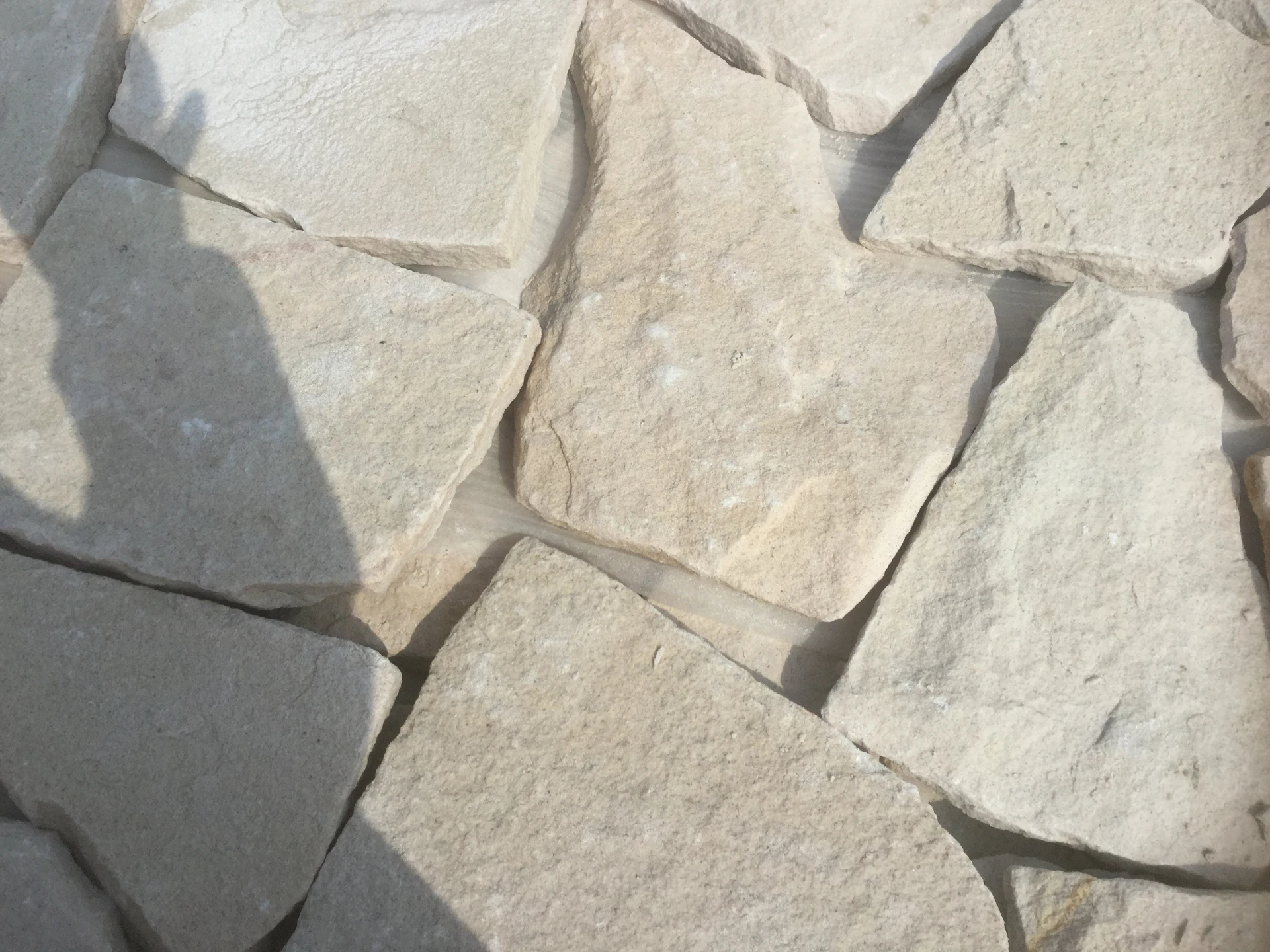
Crazy paving might sound whimsical or like something out of a garden designer's sketchbook, but it’s really a practical and versatile method of paving that’s gained traction worldwide. Simply put, crazy paving involves laying irregularly shaped stones or slabs in a random, mosaic-like pattern to create surfaces like patios, walkways, or driveways. For industries and homeowners alike, understanding how and where to buy crazy paving can unlock significant benefits—think durability, unique aesthetics, and cost-efficiency.
Globally, as urban spaces grow denser and the demand for sustainable landscaping increases, crazy paving offers a compelling combination of reusing natural stone materials and creating permeable surfaces that aid in drainage and reduce flood risks. Plus, it's got this charming, handcrafted vibe that modern, cookie-cutter paving options just can’t replicate.
When you zoom out, infrastructure development and environmental awareness are today's biggest headlines. According to the United Nations, the global urban population is expected to grow by 2.5 billion people by 2050, intensifying the need for sustainable paving solutions. Plus, in developing countries, where cost and resource efficiency matter more than ever, crazy paving offers an accessible and eco-friendly choice.
Plus, urban planners and homeowners face common challenges: hard, impervious surfaces causing excess runoff and heat retention. Crazy paving naturally counters these by letting water seep through cracks and offering a rough, textured surface that keeps spaces cooler. In real terms, this helps mitigate urban heat island effects and manages stormwater more effectively. So, the act of buying crazy paving isn’t just about aesthetics—it’s a small but meaningful move toward climate resilience.
At its core, crazy paving is simply assembling differently sized and shaped stones—or slabs—without a fixed or repetitive pattern. It’s a bit like piecing together a jigsaw, but one where there’s no picture guiding you. This handcrafted approach traces back centuries and finds modern significance across landscaping, public spaces, and even restoration projects.
The term resonates beyond gardening, reflecting a philosophy: embracing irregularity and naturalness. In humanitarian or industrial contexts, crazy paving often symbolizes affordable, easy-to-install surfaces that can be adapted to local materials and needs—a real plus when resources or skilled labor are scarce.
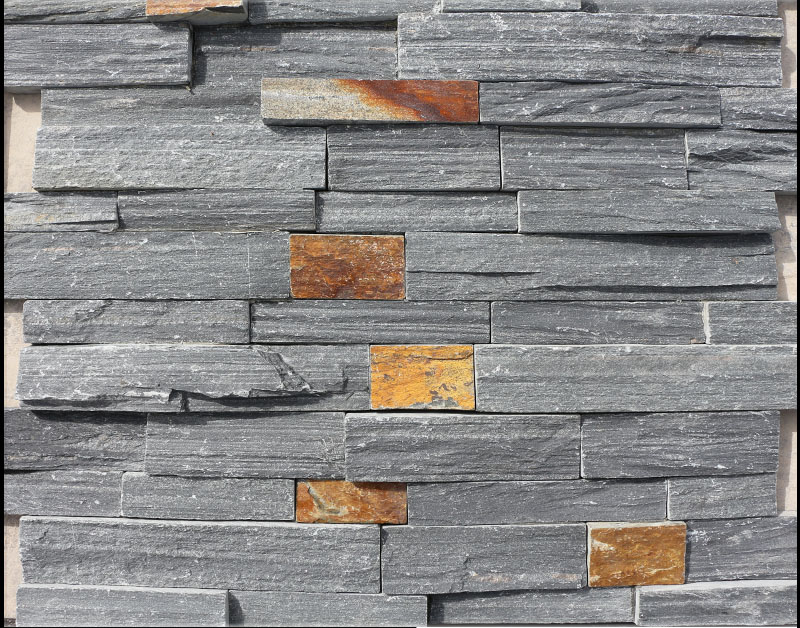
Quality matters—as I discovered from chatting with industry folks, natural stone varieties like slate, sandstone, and limestone are favorites because they balance hardness with appearance. Buying crazy paving means paying attention to the stone’s weather resistance and porosity since you want it to last years without crumbling or fading.
One big selling point is that crazy paving allows for organic layouts. It’s not about uniform tiles but fitting irregular pieces like a puzzle, which makes it easier to work around trees, slopes, or existing structures. For buyers, this flexibility means it can adapt to unique landscapes.
Though it might seem pricey up front, crazy paving often uses scrap or leftover stone that might have been discarded otherwise. So, while the labor may be a bit more specialized, the actual material costs can often be lower than uniform paving tiles.
There’s undeniably a warm, rustic feel that crazy paving imparts, which makes any space feel inviting. And, unlike man-made concrete slabs, each installation is unique—your paving won’t be a clone of your neighbor’s driveway.
Because permeable surfaces are crucial for water drainage and stormwater management (a growing concern worldwide per ISO environmental standards), crazy paving meets modern sustainability goals. Plus, sourcing local stones reduces transport emissions.
In landscaping, crazy paving is beloved for patios, garden paths, and courtyards. But if you peek into the infrastructure realm, you’ll find it popping up in cities looking to increase surface permeability and reduce urban flooding.
Also, disaster relief organizations appreciate crazy paving’s adaptability in rebuilding efforts—improvised, natural materials that can be quickly assembled to restore public spaces or temporary housing zones. Remote industrial areas utilize it as a cost-effective ground surfacing solution where mechanized installation isn’t feasible.
Regions from the UK’s countryside to Mediterranean towns and parts of Asia all embrace crazy paving traditions, showing how this technique transcends cultural bounds but remains highly functional.
Crazy paving isn’t just a garden whimsy—it’s a globally relevant, sustainable, and uniquely attractive solution that’s been quietly winning over both DIY enthusiasts and professional landscapers.
Industry trends are pushing toward combining traditional crazy paving with modern tech—think stone treated with water-resistant sealants or integrating UV-resistant pigments to maintain color longer. Some vendors are even experimenting with lightweight, composite slabs shaped irregularly to mimic stone but easier to install and transport.
There’s also a green push: incorporating recycled glass or industrial byproducts into paving mixtures to reduce carbon footprints. Digital tools help designers visualize random paving layouts efficiently, blending artisan craft with precision planning.
One tricky aspect is installation skill: fitting together odd-shaped pieces takes a practiced eye, which can increase labor costs if your team is inexperienced. Also, sourcing consistent quality stones in some regions might be tough, leading buyers to consider imported materials, bumping costs.
Solutions include engaging local stone masons, investing in workshops for installation skills, or partnering with vendors supplying pre-arranged kits with fitting guides. The convenience of partial pre-cutting and modular design concepts is making crazy paving less daunting.
| Stone Type | Average Thickness | Durability Rating (1–10) | Water Absorption | Typical Applications |
|---|---|---|---|---|
| Slate | 20-30 mm | 8 | Low (0.4%) | Patios, Walkways |
| Sandstone | 25-40 mm | 7 | Moderate (1.2%) | Driveways, Courtyards |
| Limestone | 20-35 mm | 6 | Higher (2.5%) | Pathways, Decorative |
| Vendor | Material Range | Pricing | Customization | Geographic Delivery |
|---|---|---|---|---|
| StoneCraft Ltd. | Wide (Slate, Sandstone, Granite) | Moderate | Custom size & finishing | Europe, UK |
| NaturalPave Solutions | Narrow (Sandstone-focused) | Competitive | Limited | North America |
| EcoStone Hub | Medium (Recycled & Natural) | Higher | Custom kits & green options | Europe, Asia |
With proper installation and maintenance, crazy paving made from durable natural stones like slate or sandstone can last 20 to 50 years. Weather conditions and usage intensity affect longevity, but these materials are known for solid endurance when laid correctly.
Crazy paving can be used for driveways if the stones are of sufficient thickness and the sub-base is properly prepared to support vehicle weight. Thicker slabs and compacted foundations help prevent cracking or movement under heavy loads.
For small garden paths or patios, DIY enthusiasts with patience can successfully install crazy paving. However, for driveways or large areas, hiring an experienced installer ensures durability and a clean finish since fitting irregular pieces is a skill.
Look for reputable local suppliers with a range of natural stone options to minimize delivery costs and environmental impact. Vendors like StoneCraft Ltd. or buy crazy paving platforms offer quality stones with customization options.
Crazy paving isn’t just a nostalgic throwback; it embodies a practical, ecological, and artistic approach to landscaping that fits our modern challenges. When you choose to buy crazy paving, you’re investing in durable, distinctive surfaces that blend function and beauty—and join a global trend toward sustainable urban development.
If you’re ready to enhance your spaces with a unique touch while considering environmental impact, why not explore your options today? There are plenty of vendors and styles to choose from, and once you experience the charm and practicality firsthand, it’s hard to look back.
Visit our website: https://www.dfl-stones.com to browse selections and learn more about buying crazy paving that fits your project.