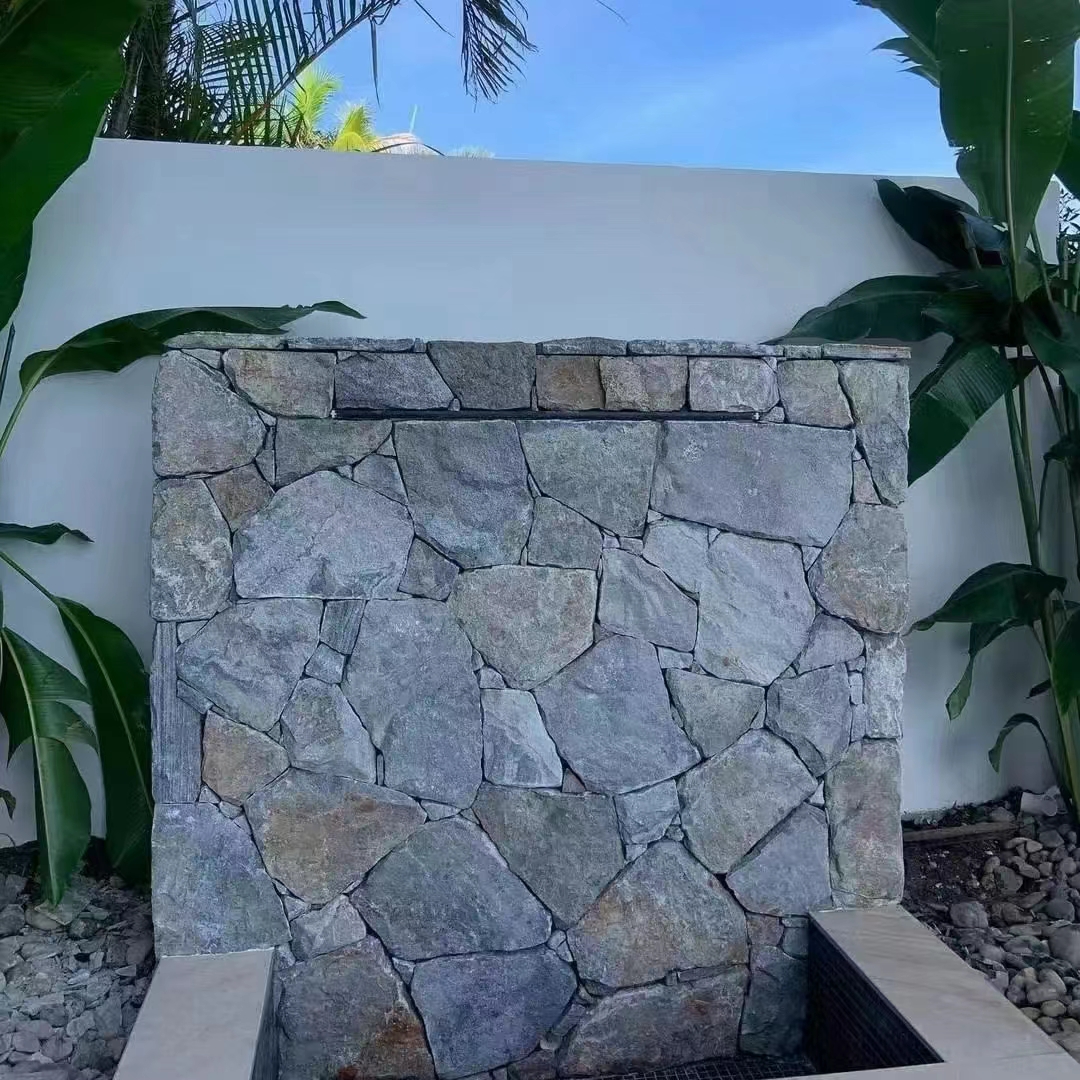
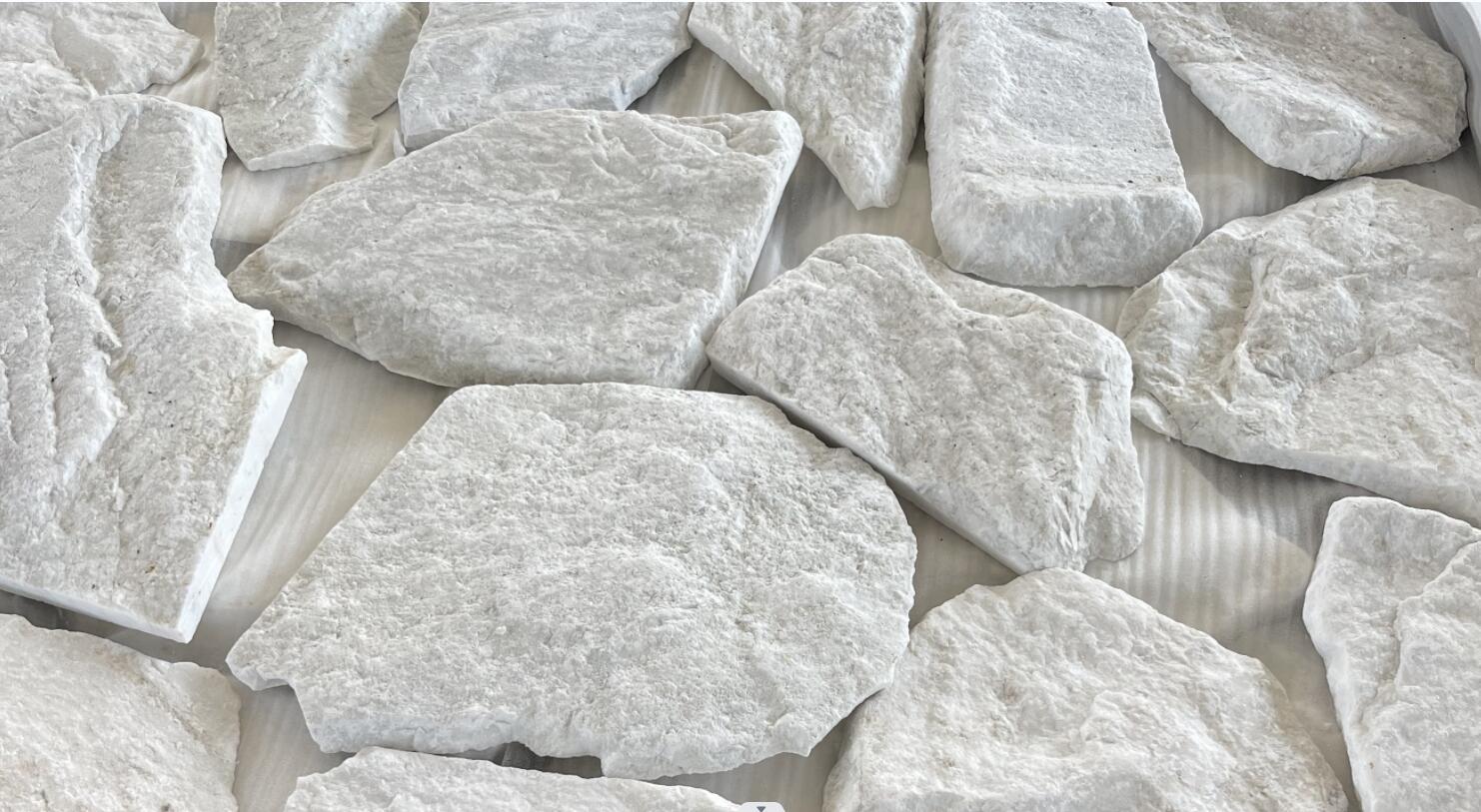
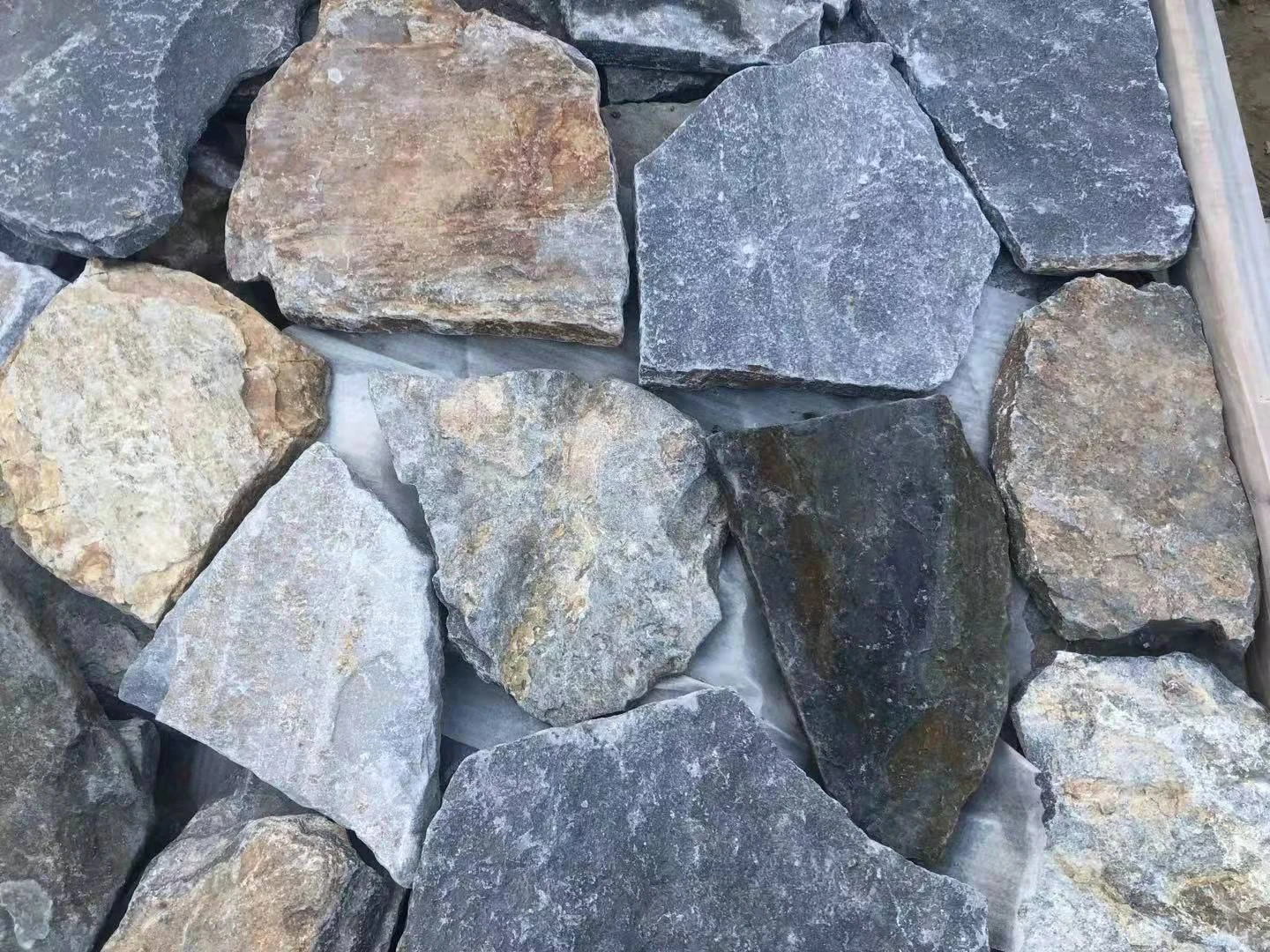
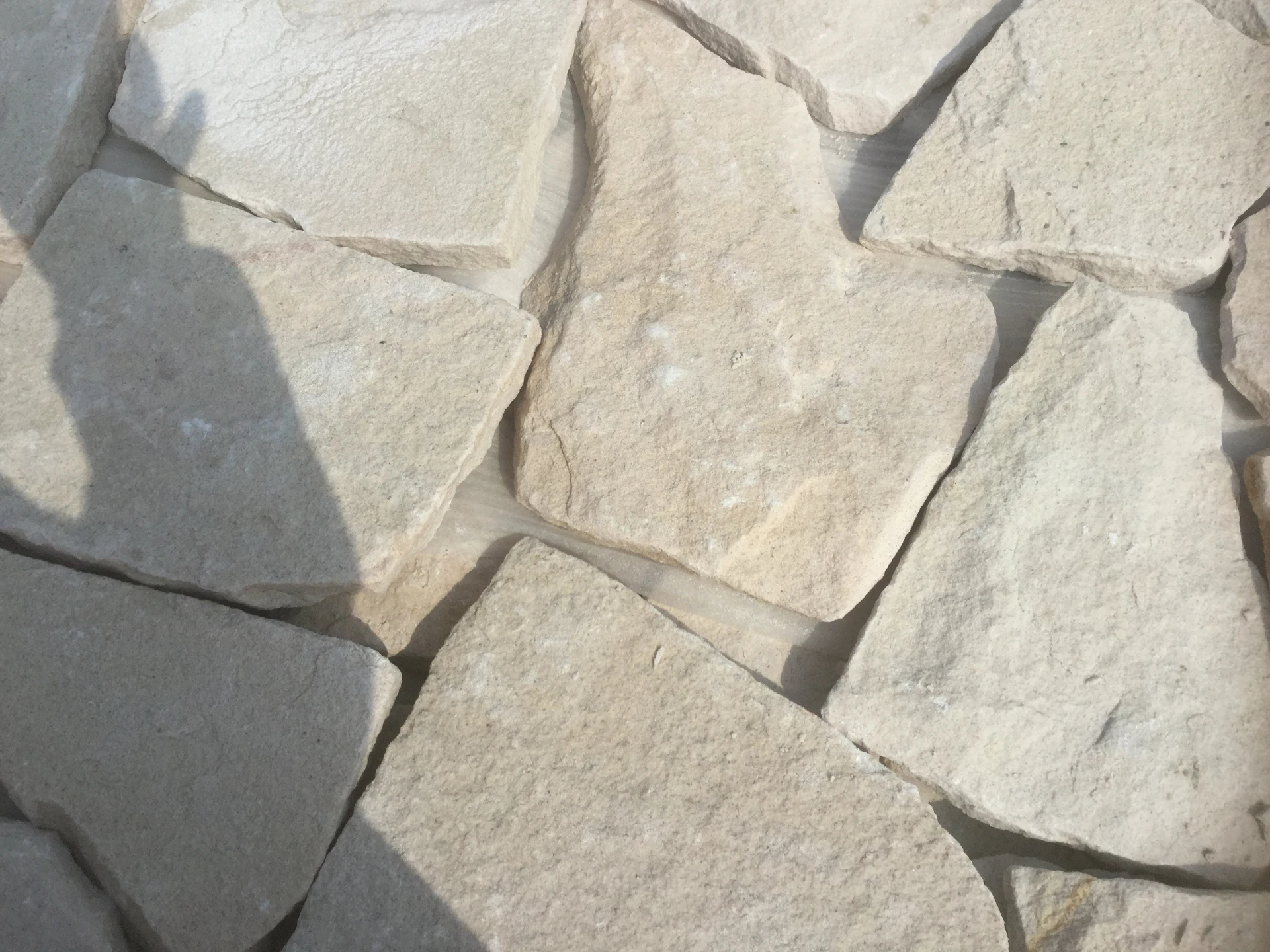
If you've ever walked on a slate-tiled floor or admired the elegant roofs of old mansions, you may have noticed the subtle beauty and durability of slate. But beyond aesthetics, the decision to buy green slate tile carries global environmental and industrial weight. In a world urgently seeking sustainable building materials, green slate stands out both for its longevity and its relatively low environmental footprint compared to synthetic or heavily processed alternatives.
Understanding the benefits of green slate tiles isn’t just for architects or builders—it's a smart move for anyone looking to make eco-conscious choices, whether for home renovation or large-scale construction projects.
Mini takeaway: Green slate tiles combine timeless beauty with environmental responsibility, making them a valuable choice in modern construction.
The construction industry accounts for nearly 40% of global energy consumption and produces a hefty share of greenhouse gas emissions, according to the United Nations Environment Programme (UNEP). Hence, materials like green slate tile, which come from natural stone quarries and require minimal chemical processing, offer a respite from the standard high-impact materials. In countries like China, India, and parts of Europe, sustainable building materials are no longer niche; they're part of state policies and green construction certifications like LEED.
However, sourcing high-quality green slate slabs and tiles can be a challenge due to uneven quarry regulations and transportation costs. That’s where choosing reliable vendors and understanding the key material properties become crucial. The challenge isn’t just to buy green slate tile but to buy it smartly.
Mini takeaway: In the global push for greener construction, knowing where and how to buy green slate tile matters significantly.
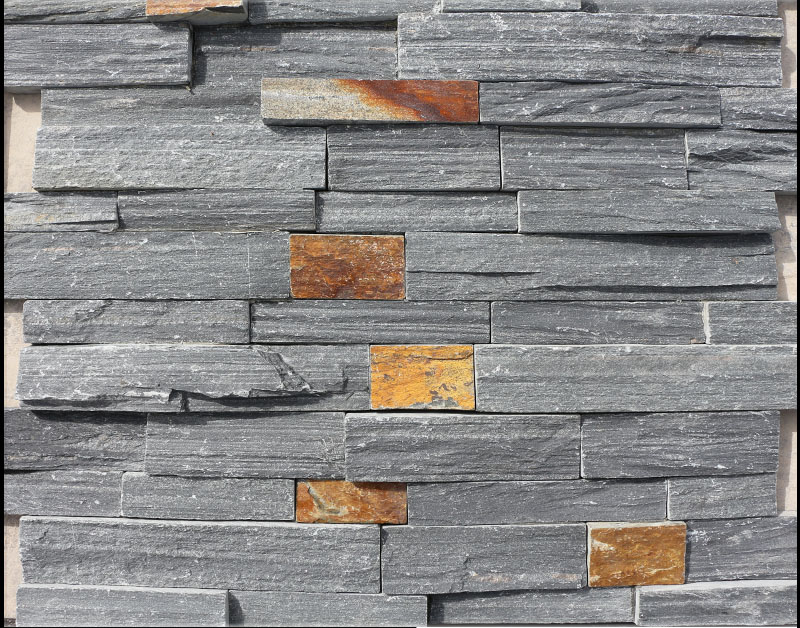
At its core, buying green slate tile refers to acquiring natural stone tiles quarried specifically from slate deposits that show greenish hues—these colors often come from chlorite or epidote mineral inclusions. The “green” part is not just about color; it also symbolizes eco-friendliness since slate is a low-impact stone vividly reflecting natural formation, requiring less industrial energy to process compared to alternatives.
Green slate tiles are heavily used in eco-conscious architecture, roofing, flooring, and outdoor landscaping. Their durability also aligns with circular economy principles, allowing reuse and reduced waste over decades.
Mini takeaway: Buying green slate tile means selecting a natural, sustainable, and durable material adding long-term value to your project.
Slate is famed for its robustness. Green slate, specifically, tends to have low porosity, meaning it resists water absorption and frost damage — a huge plus for outdoor tiles in variable climates.
Compared to ceramic tiles or concrete, slate quarrying and processing require significantly less energy. If sustainability is your priority, green slate is a frontrunner.
With a distinctive greenish tone, these tiles add subtle color variation and natural texture, lending character to flooring or roofing beyond plain slate.
While green slate tile isn't the cheapest stone option, its longevity and low maintenance tend to justify initial higher costs.
These tiles usually demand professional installation due to their weight and brittleness, but maintenance is relatively minimal, mostly involving occasional sealing.
Depending on the region, availability may fluctuate. It’s wise to consult vendors to secure consistent supply if you plan large projects.
Mini takeaway: Durability, eco-friendliness, and natural aesthetics are key when purchasing green slate tile — but factor in price and supply logistics too.
This tile is popular across Europe—particularly Spain and Wales—where slate has long been a staple in roofing. In the United States and Canada, green slate gains favor in upscale renovations and landscaping projects. Asia’s booming construction markets are increasingly integrating green slate into luxury commercial builds.
One interesting use case is in a recent post-disaster rebuilding effort in northern Italy, where designers chose green slate tile roofing for its durability combined with natural beauty, which helped restore community pride and preserved local architectural heritage.
Outdoor patios in Mediterranean climates also benefit from the slip-resistance and heat tolerance of green slate tiles, making them popular for both residential and hospitality settings.
Mini takeaway: Green slate tiles find homes on rooftops, floors, and gardens worldwide, prized for resilience and versatility.
| Specification | Typical Value | Remarks |
|---|---|---|
| Color | Green to dark greenish-grey | Due to mineral content |
| Thickness | 3 - 12 mm | Varies by use (floor/roof) |
| Density | 2.7 - 2.9 g/cm³ | Heavy but manageable |
| Water Absorption | Excellent freeze-thaw resistance | |
| Fire Resistance | High | Natural stone is fireproof |
| Vendor | Origin | Price Range (USD/sq.m) | Lead Time | Sustainability Certification |
|---|---|---|---|---|
| DFL Stones | Spain | $45 - $60 | 2-3 weeks | ISO 14001 |
| GreenSlate Co. | Wales | $50 - $65 | 3-4 weeks | FSC Certified |
| EcoSlate Imports | India | $38 - $55 | 4-5 weeks | ISO 9001 |
When you think about it, investing in green slate tile is like opting for a heritage asset. It’s not prone to rapid wear or fading. It can literally outlast your entire home if cared for properly. On the financial side, fewer replacements and less maintenance mean lower lifetime costs. Plus, you’re adding a touch of natural grace that synthetic materials simply don’t replicate.
Emotionally, there’s satisfaction in choosing materials that reflect environmental stewardship. You signal to clients, neighbors, or family that future-proofing and sustainability aren’t afterthoughts—they’re priorities.
Mini takeaway: The long-term usability and minimal environmental impact of green slate tiles deliver both tangible savings and intangible peace of mind.
What's next? I’d say you should watch how digital quarrying helps reduce waste, or how automated precision cutting improves tile uniformity while minimizing breakage. Some manufacturers are exploring water-based sealants to improve tile protection without toxic chemicals. Green slate's intersection with smart home tech is also intriguing – think self-cleaning or solar-integrated roof tiles made of slate.
Plus, as certifications become tougher worldwide, expect vendors to double down on traceability and sustainable sourcing, making the decision to buy green slate tile even more straightforward and trustworthy.
Mini takeaway: Emerging technologies and stricter sustainability standards will make green slate tile smarter, cleaner, and even more eco-friendly.
The most common issue buyers face? Supply chain hiccups and inconsistent tile quality. Quarrying is weather-dependent and often seasonal. Some vendors cut corners or fail to verify eco-certification rigorously. Shipping heavy stone overseas isn’t cheap or carbon-neutral either.
Solutions? Prioritize suppliers with transparent sourcing and strong certifications, and consider regional mining operations to reduce freight emissions. Recently, modular tile systems that snap-fit with minimized waste have improved installation flexibility and have been catching on.
Mini takeaway: Navigating supply and quality requires patience and research—but trusted vendors and smart design choices overcome these challenges.
Absolutely. Due to its low porosity and natural durability, green slate tiles perform well outdoors in patios, walkways, and roofing, while also offering aesthetic appeal indoors.
Maintenance typically involves cleaning with pH-neutral cleaners and occasional resealing every few years to keep its water-resistant properties intact.
Yes, but it’s crucial to arrange orders well ahead because tiles come from quarries with seasonal output. Many vendors require minimum order quantities for bulk pricing and shipping.
Look for ISO 14001 for environmental management or FSC certification indicating responsibly sourced stone.
Reliable suppliers like DFL Stones (from Spain) offer certified green slate tile with transparent sourcing and competitive pricing. Their product quality and lead times are positively reviewed by many industry professionals.
Deciding to buy green slate tile isn’t just about picking a building material; it’s a commitment to enduring quality, sustainability, and aesthetic finesse. From reducing carbon footprints to withstanding harsh weather, these tiles earn their keep over decades. So next time you’re planning to enhance your space, consider buy green slate tile to marry nature and style effortlessly.
For detailed product info and to discuss your project needs, feel free to visit DFL Stones, your partner in green slate excellence.
Mini takeaway: The right green slate tile now means a legacy of beauty and sustainability well into the future.