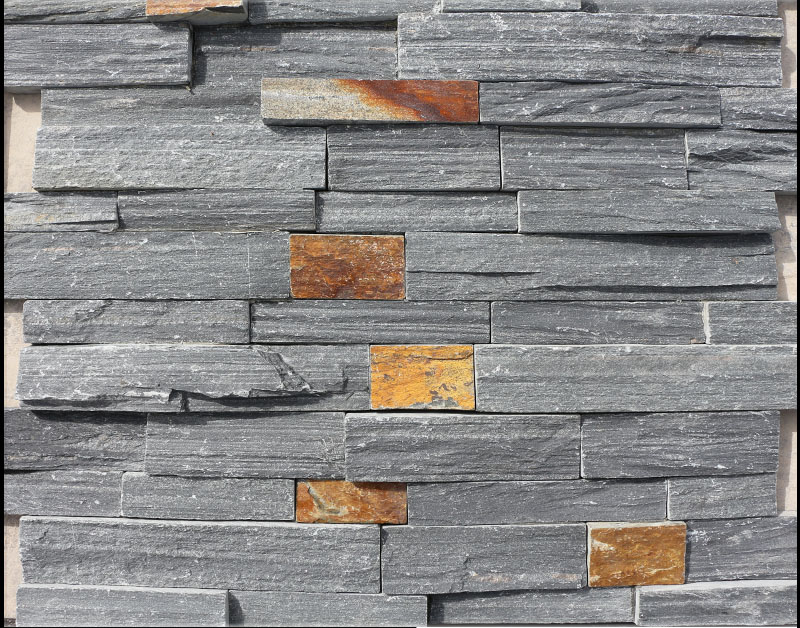
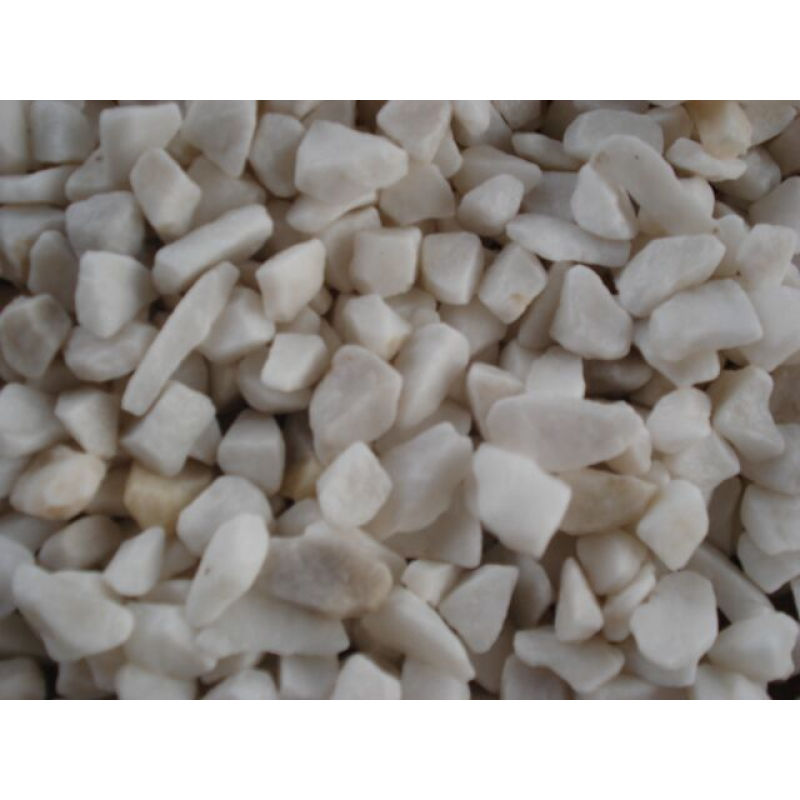
Why Buy Natural Stone Pavers? Understanding Their Global Impact and Benefits
Natural stone pavers have been around as long as civilization itself. From Roman roads to expansive courtyards in modern cities, they offer more than just a pretty surface — they represent durability, sustainability, and timeless style. Today, the decision to buy natural stone pavers not only connects us with tradition but advances global agendas around sustainable urban development and green infrastructure worldwide.
It's worth noting that according to the United Nations’ World Urbanization Prospects, over 55% of the world’s population now lives in urban areas — and that's expected to rise. Cities face challenges like increasing heat islands, stormwater runoff, and infrastructure decay. Natural stone pavers, with their environmental benefits and longevity, address these issues. Moreover, they link natural resource management with aesthetic and practical demands. Understanding why and how to buy natural stone pavers means tapping into a resource that's both ancient and very much present-day relevant.
Mini takeaway: Choosing natural stone pavers isn’t just about looks — it’s about supporting durable, sustainable infrastructure that aligns with global urban development needs.
Setting the Scene: The Global Relevance of Buying Natural Stone Pavers
Around the world, from bustling megacities in Asia to historic European towns, natural stone pavers serve critical roles. Their enduring quality makes them attractive for projects ranging from pedestrian walkways to grand public plazas. In some parts of the globe, like India and South Africa, natural stone pavers play an essential role in affordable housing developments and community spaces — surfaces that last decades rather than years.
But there’s a challenge: the supply chain for natural stone can be complex, with concerns related to quarry sustainability, transportation emissions, and uneven quality standards. The International Organization for Standardization (ISO) has ongoing efforts to standardize stone grading and testing, but uptake varies globally. This makes understanding the market vital for buyers who want quality and responsibility.
What's also interesting: because natural stone mining and processing can affect local ecosystems, buyers increasingly look for vendors who balance extraction with restoration. It’s no longer just about cost — it’s about environmental impact and social responsibility too.
What Does It Mean to Buy Natural Stone Pavers?
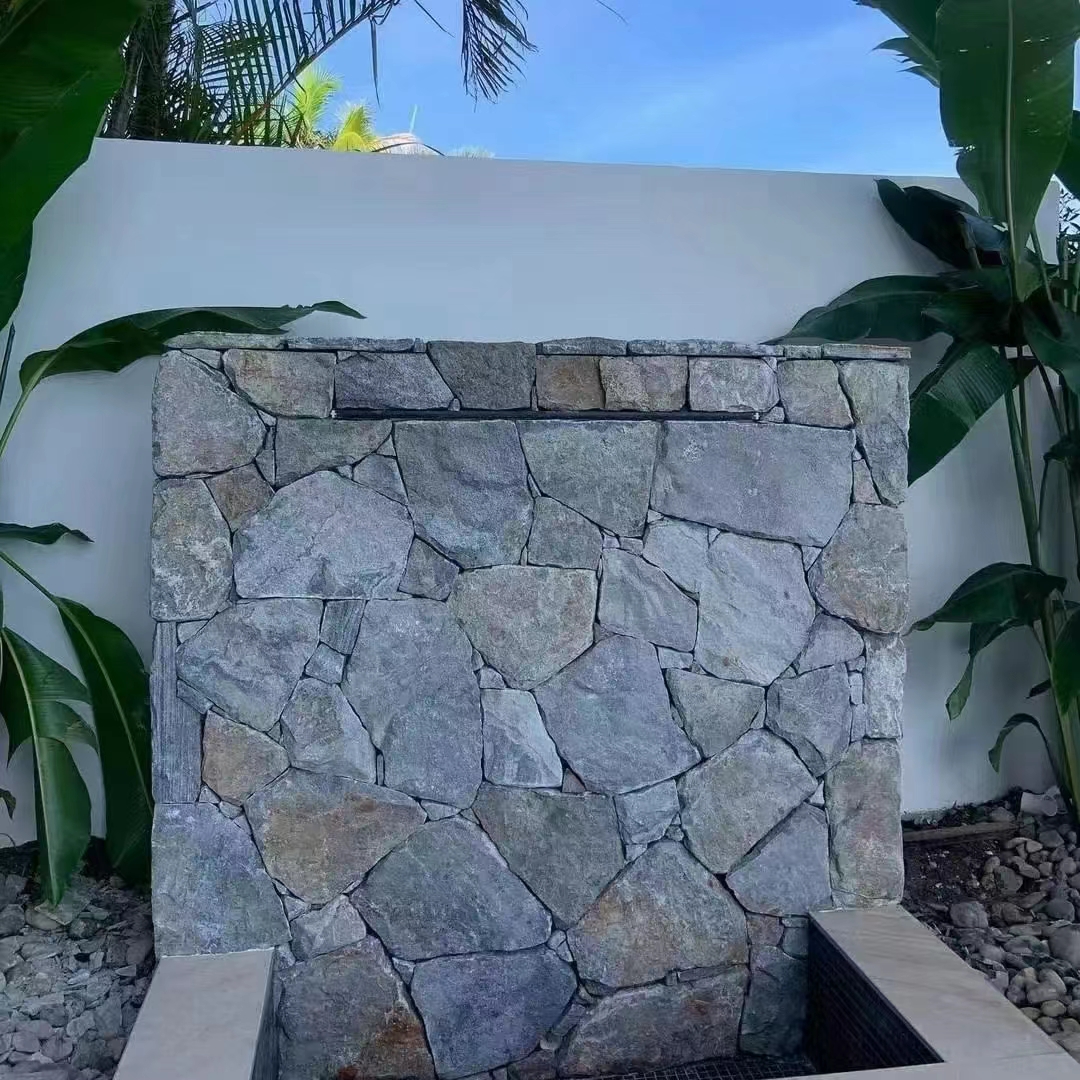
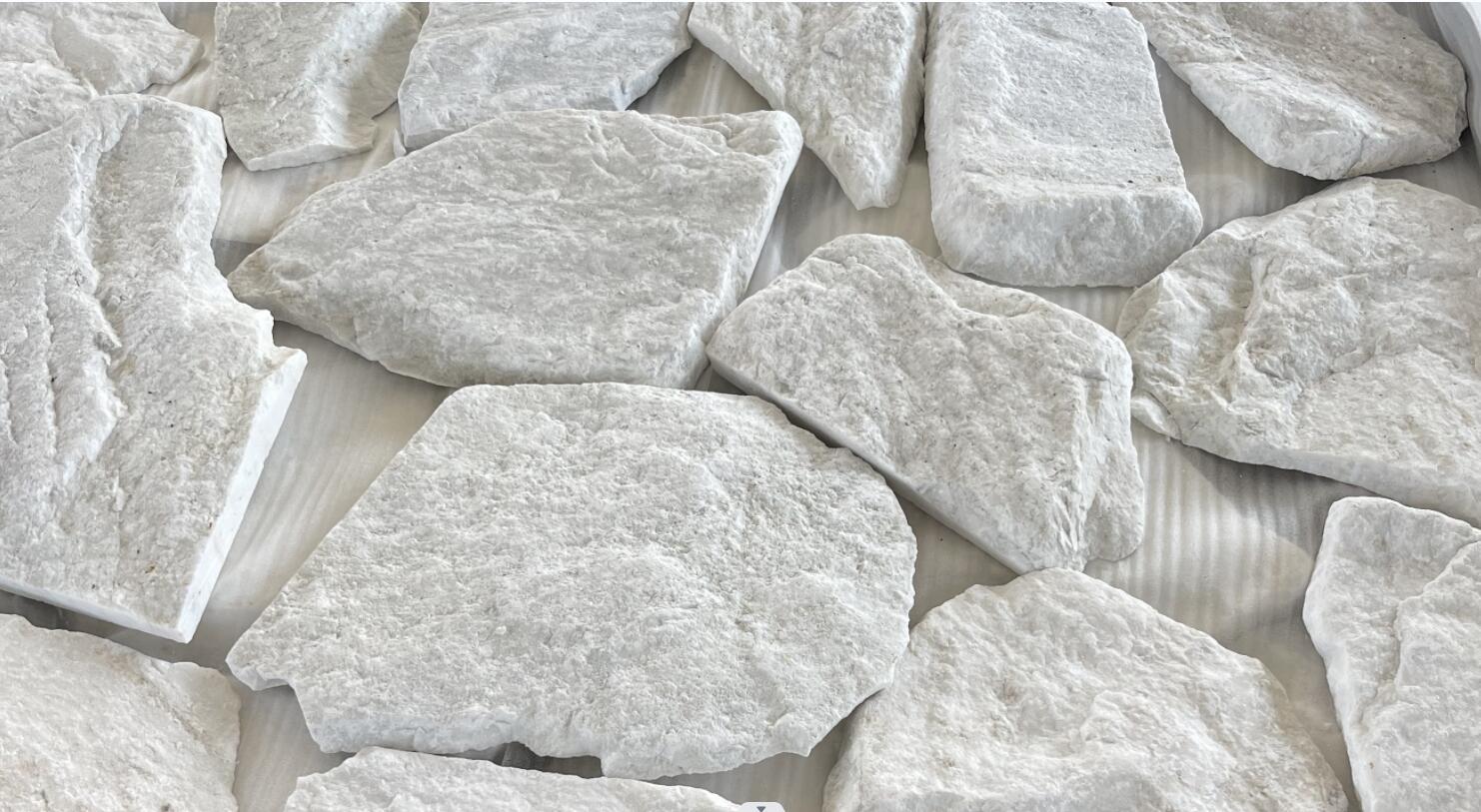
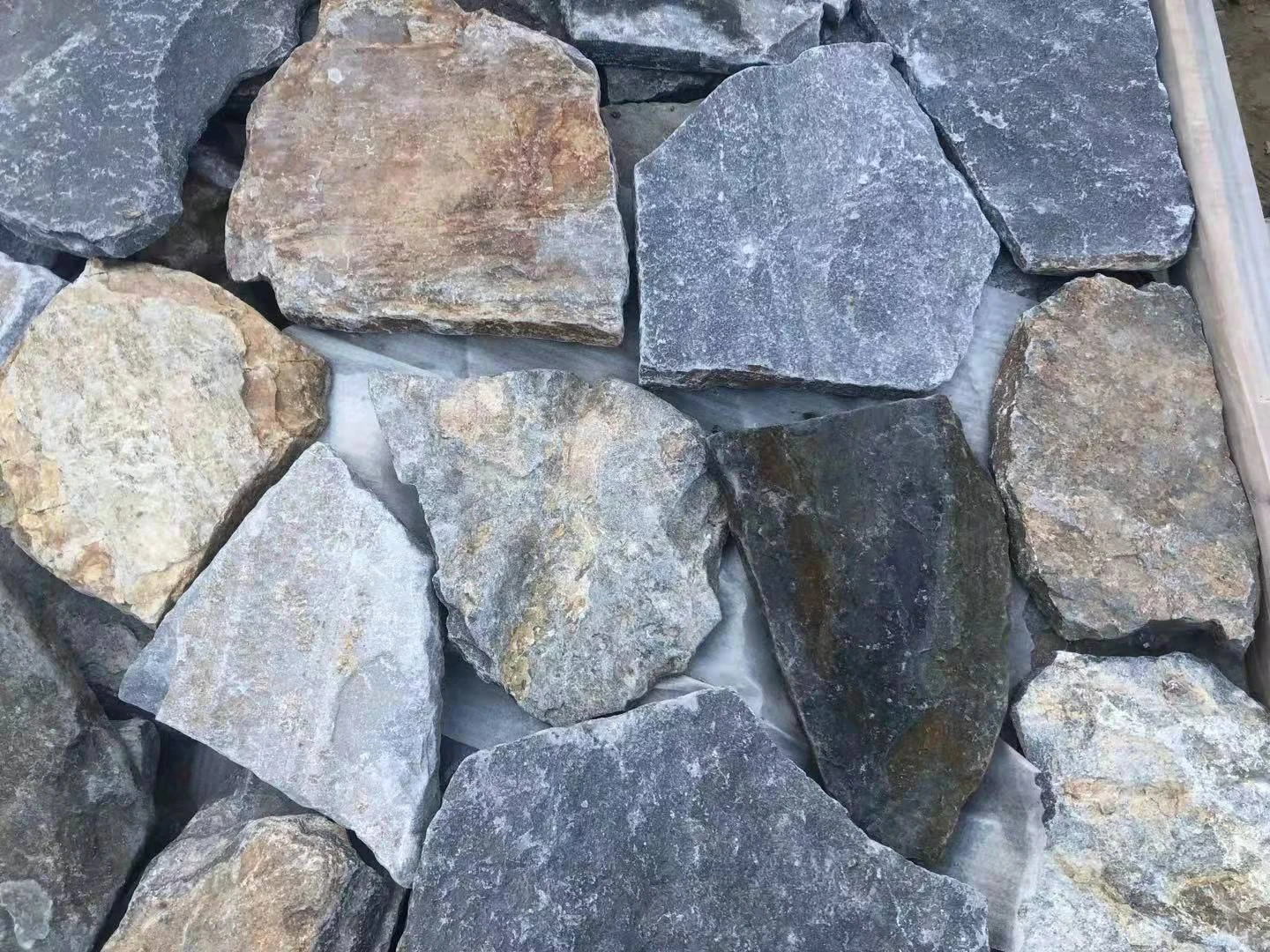
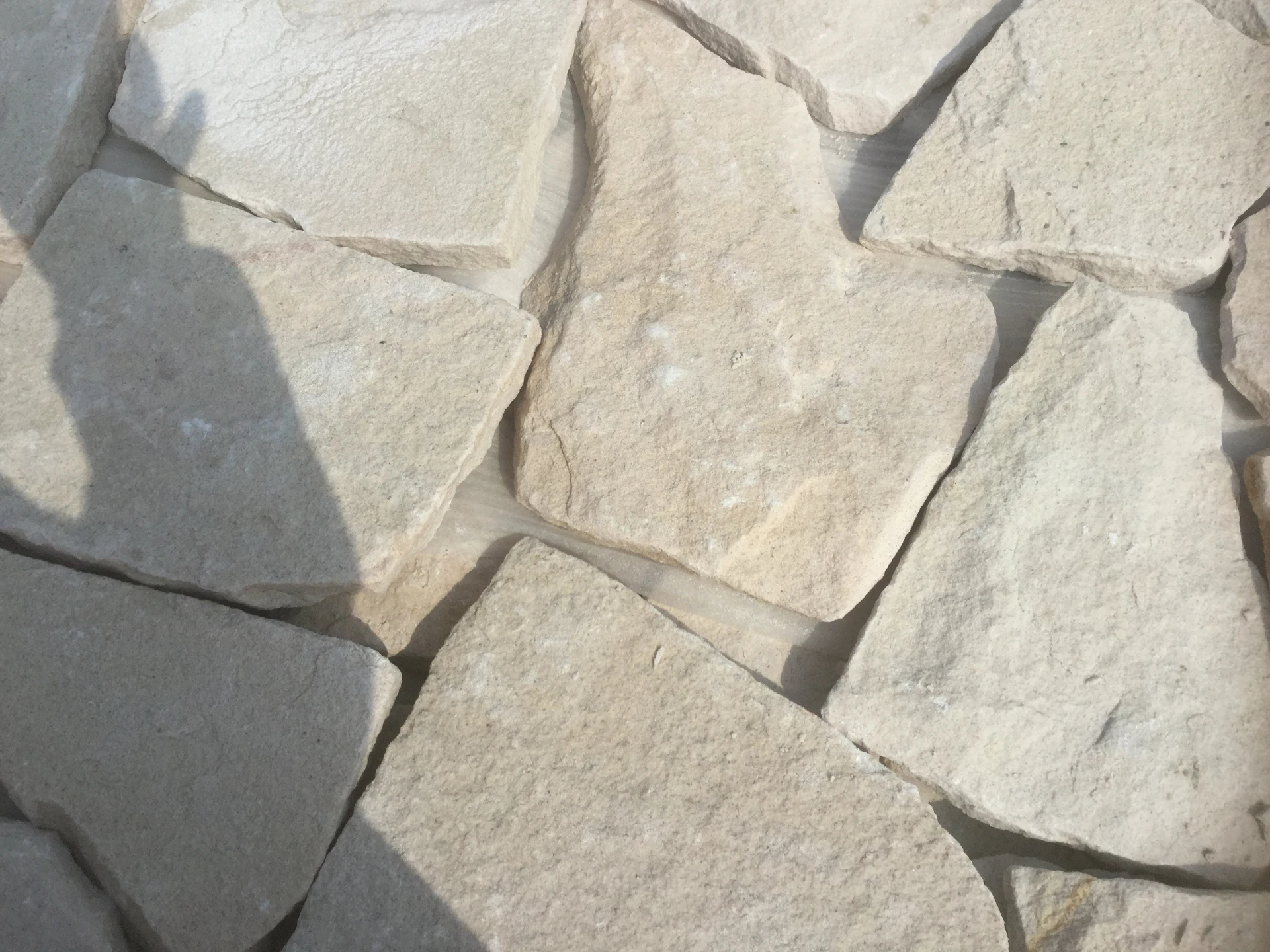
Simply put, buying natural stone pavers means acquiring slabs, tiles, or blocks of quarried stone — like granite, limestone, sandstone, or slate — cut and finished for outdoor surfaces. Unlike synthetic or concrete alternatives, these pavers come directly from geological formations, each piece unique in veining, texture, and strength.
In industry terms, natural stone pavers are preferred for their:
-
Longevity: Lasting decades under heavy foot or even vehicular traffic.
-
Permeability: Allowing rainwater absorption, reducing runoff.
-
Aesthetic Value: A natural, timeless look impossible to replicate with manufactured materials.
They fit neatly into modern demands for low-impact construction and the aesthetics of urban green spaces or cultural heritage zones.
Core Components to Consider When Buying Natural Stone Pavers
1. Durability and Maintenance
Natural stone's crystalline structure means it resists weathering, cracking, and wear far better than many alternatives. For example, granite and basalt can withstand extreme conditions with minimal maintenance, which makes them ideal for high-traffic public areas.
2. Environmental Sustainability
Supporting suppliers who follow responsible quarrying practices is crucial. Buying stone extracted with minimal environmental footprint supports conservation. Plus, natural stone often requires less embodied energy than concrete or synthetic pavers.
3. Cost and Lifecycle Value
Though upfront costs might be higher, stone pavers often outlast alternatives, reducing replacement expenses and labor over time. This lifecycle cost aspect appeals greatly to governments and large developers.
4. Aesthetic and Design Flexibility
The palette of natural stone — from earthy reds to cool grays — offers an unmatched range of design options. Irregular shapes or precisely cut tiles can fit diverse design needs, from rustic to modern.
5. Installation Expertise and Scalability
Buying natural stone requires ensuring that the installation methods suit the stone type and site conditions. Proper subbases can enhance durability and drainage.
Mini takeaway: When you buy natural stone pavers, consider durability, eco-friendliness, cost efficiency, design adaptability, and installation demands — it’s a package deal.
How Natural Stone Pavers Shape Real-World Projects Worldwide
Around the globe, natural stone pavers are trusted for varied purposes:
-
Urban Plazas and Heritage Zones: European cities like Rome and Prague maintain centuries-old stone streets using traditional pavers, preserving history while serving tourists and residents.
-
Landscape Architecture in the Americas: Parks and gardens in New York and São Paulo often include natural stone pathways to blend built and green environments.
-
Post-Disaster Reconstruction: In parts of Southeast Asia recovering from floods, local governments favor permeable stone pavers to reduce flood risks.
-
Commercial and Residential Developments: In Dubai and Singapore, premium natural stone enhances luxury outdoor flooring, combining aesthetics with climatic resilience.
-
Community and Social Infrastructure: NGOs building affordable housing in Africa choose locally sourced sandstone pavers for walkways—balancing cost, availability, and durability.
Specification Table: Typical Natural Stone Pavers
| Specification |
Granite |
Sandstone |
Limestone |
| Average Density (g/cm³) |
2.75 |
2.32 |
2.5 |
| Water Absorption (%) |
0.5 |
6-8 |
5-10 |
| Typical Compressive Strength (MPa) |
100-250 |
20-170 |
30-250 |
| Average Lifespan (Years) |
50-100+ |
30-70 |
40-80 |
| Average Cost per m² (USD) |
20-50 |
15-40 |
10-35 |
Advantages and Long-Term Value of Natural Stone Pavers
So why do so many civil engineers, landscape architects, and urban planners insist on natural stone pavers?
-
Cost-Effectiveness Over Time: It feels counterintuitive at first since natural stone is pricier upfront. Still, its resistance to damage and weathering slashes future maintenance bills.
-
Sustainability: Unlike concrete, natural stone is harvested from the earth and can sometimes be locally sourced, reducing transportation emissions. Plus, stone is recyclable.
-
Safety and Comfort: Because many stone types are slip-resistant and allow water infiltration, they improve pedestrian safety and tackle urban heat island effects.
-
Social and Cultural Value: Stone pavers convey a sense of permanence and dignity in public infrastructure. Think of historic plazas — they foster community pride.
-
Reliability and Trust: Users trust materials that have literally stood the test of time, like centuries-old pavements.
Future Trends in Natural Stone Pavers
Oddly enough, this “old-school” material is seeing some fresh innovation. Advances include:
-
Green Procurement Policies: More governments are including sustainability criteria when they buy natural stone pavers.
-
Digital Stone Cutting: CNC machines now enable precision shapes and sizes previously unimaginable.
-
Surface Treatments: Eco-friendly sealants improve durability without harming permeability.
-
Integration with Smart Infrastructure: Embedded sensors could monitor temperature or stress in the near future.
-
Hybrid Materials: Combining natural stone with recycled content for enhanced performance.
Common Challenges and How Experts Overcome Them
While natural stone is fabulous, challenges persist:
-
Supply Chain Complexity: Quarries are often remote, and transport logistics can get pricey. Some vendors now operate vertically integrated supply chains to offer better pricing.
-
Quality Variability: Not every stone piece meets durability or slip resistance standards. Rigorous quality control, including third-party certification, is a must.
-
Installation Complexity: Skilled labor for proper installation is critical. Training programs and digital tutorials are expanding.
-
Environmental Concerns: Quarrying can damage habitats. Certified vendors balance extraction with land restoration.
Vendor Comparison Table: Leading Natural Stone Pavers Suppliers
| Vendor |
Product Range |
Sustainability |
Price Range (USD/m²) |
Delivery Times |
| StoneCraft Ltd. |
Granite, Limestone, Slate |
ISO 14001 certified |
25 - 45 |
2-4 weeks |
| NaturalStone Co. |
Sandstone, Travertine |
Locally sourced, rehab projects |
15 - 35 |
3-6 weeks |
| EcoStones International |
Granite, Quartzite, Basalt |
100% carbon-neutral operations |
30 - 50 |
4-5 weeks |
Frequently Asked Questions About Buying Natural Stone Pavers
- Q1: How do natural stone pavers compare to concrete alternatives in cost and durability?
- While natural stone pavers usually have higher upfront costs than concrete, they offer superior durability, often lasting decades with minimal maintenance. This makes them a better long-term investment for projects prioritizing sustainability and lifecycle cost savings.
- Q2: Are natural stone pavers eco-friendly?
- Natural stone can be eco-friendly if sourced responsibly. Many suppliers now adhere to sustainable quarrying and land restoration practices. Compared to synthetic materials, natural stone often has lower embodied energy, especially when locally sourced.
- Q3: Can natural stone pavers be used in climates with heavy freeze-thaw cycles?
- Yes, stones like granite and basalt are ideal for freeze-thaw environments due to their low water absorption and high strength. It's important to choose appropriate stone types and install them with proper drainage to enhance performance in harsh climates.
- Q4: How can a buyer ensure the natural stone pavers meet quality standards?
- Request relevant certifications like ISO 14001 or third-party testing reports for compressive strength and absorption. Visiting quarries or supplier facilities can also help verify quality and sustainability claims.
- Q5: Is it possible to customize natural stone pavers for specific design needs?
- Absolutely. Thanks to modern cutting technology, you can order custom shapes, sizes, and finishes. Some suppliers, especially those using CNC machining, can create intricate patterns and precise cuts for unique project demands.
Final Thoughts & Where to Get Started
If you're looking to
buy natural stone pavers, you’re investing in more than just a surface — you’re buying history, sustainability, and a product built to last generations. Sure, it takes some commitment and knowledge to navigate the market, but the rewards — in beauty, performance, and peace of mind — are worth it. Whether it’s a small garden path or a sprawling city plaza, natural stone pavers offer unmatched value.
For anyone considering their next paving project, give natural stone a good, serious look. And when you’re ready, consider suppliers with sustainable practices and quality certifications — your project (and planet) will thank you.
### References
1. United Nations, World Urbanization Prospects (2018).
2. ISO standards on natural stone — ISO/TC 171.
3. Wikipedia contributors, “Natural Stone,” Wikipedia, The Free Encyclopedia.