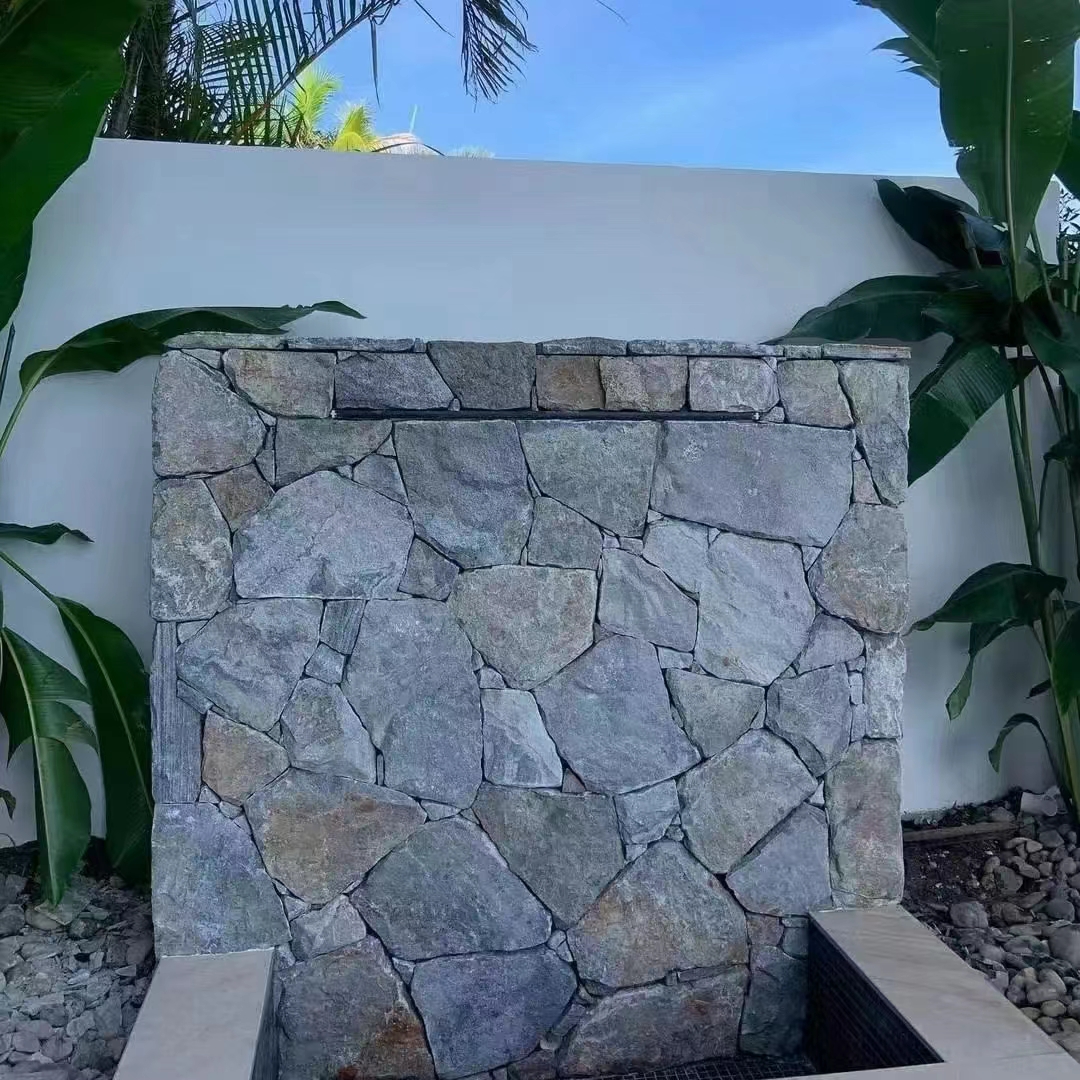
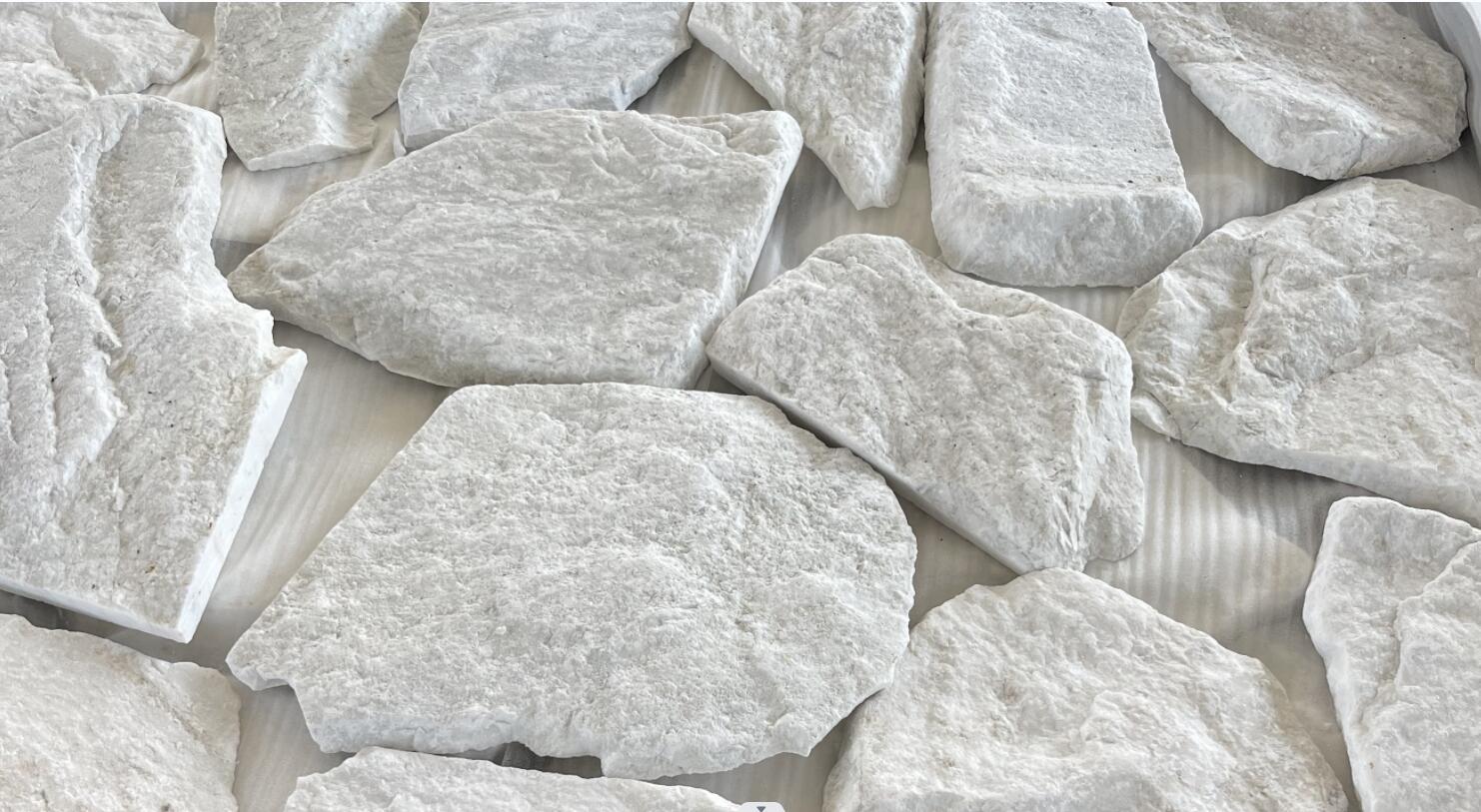
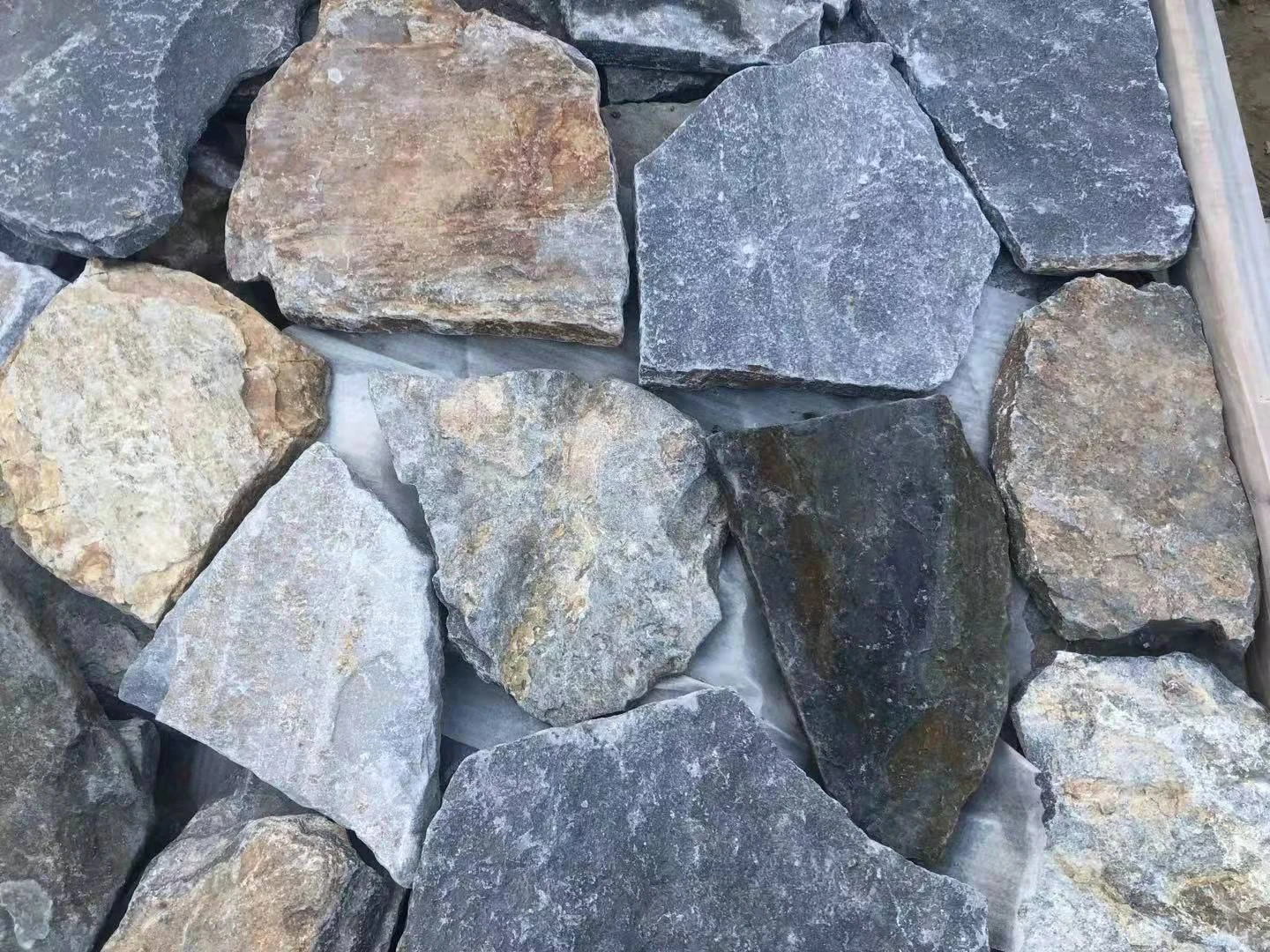
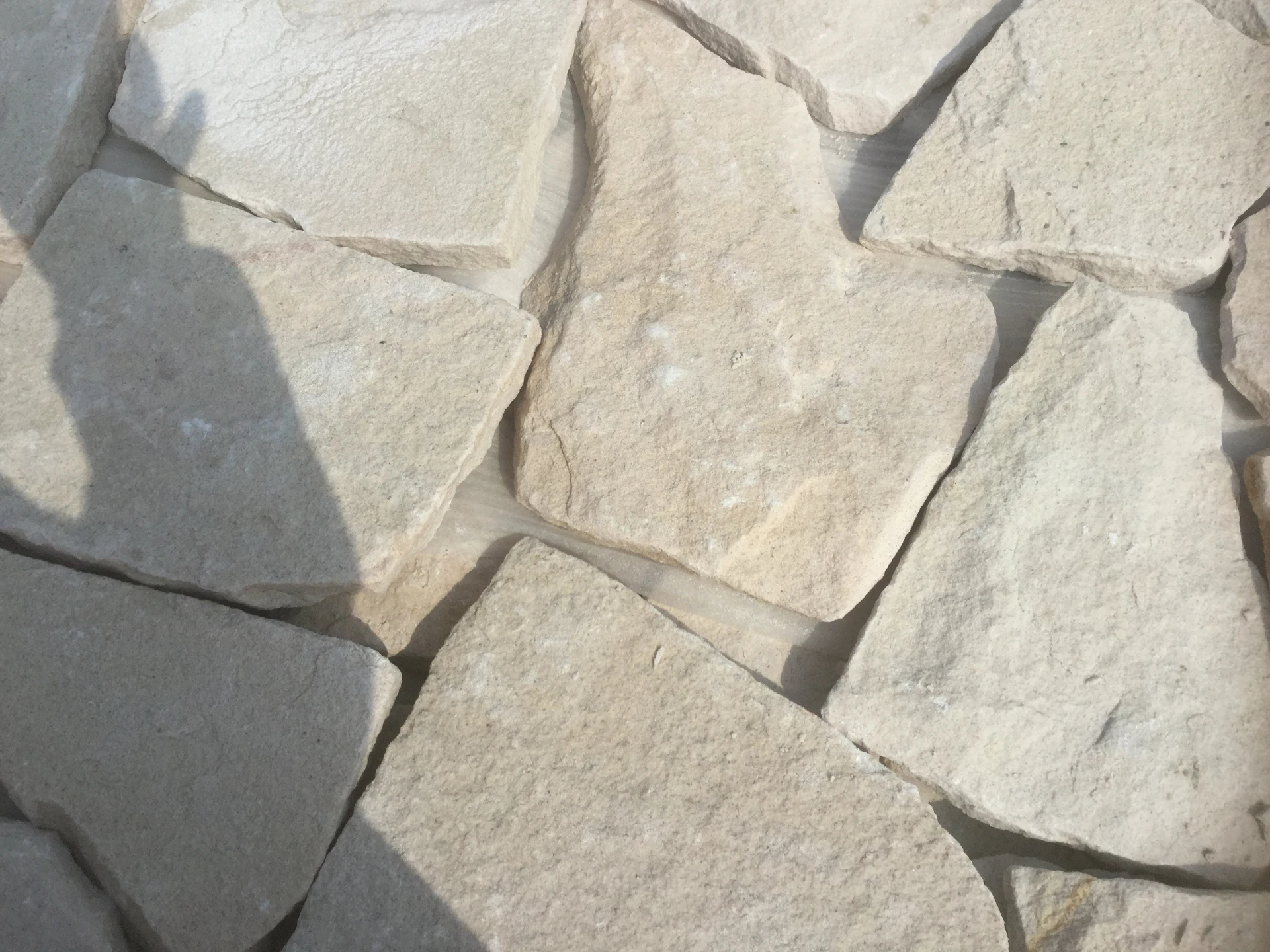
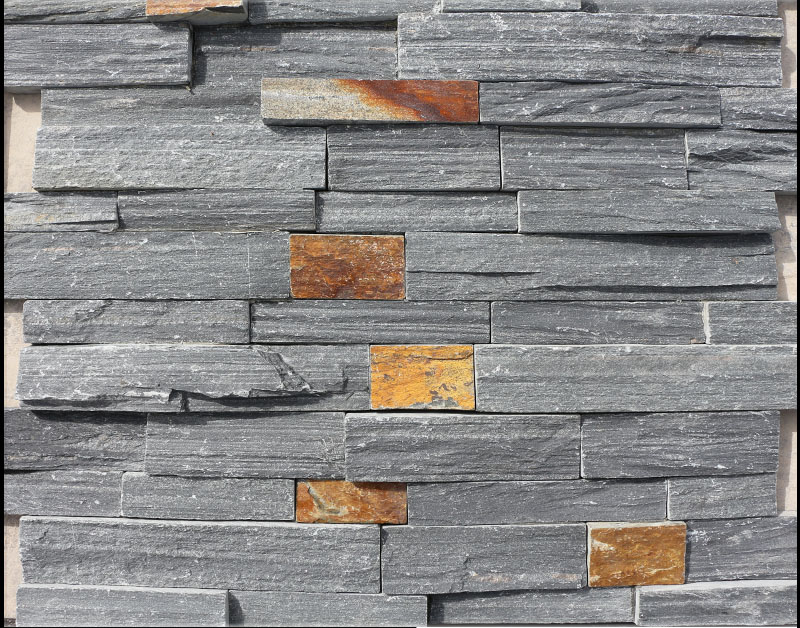
High Quality Natural Stone Cladding is a key solution in the industry, specifically within construction, architecture, and commercial development sectors. This article explores how https://www.dfl-stones.com supports professionals with durable, high-performance products, and explains why this product is an ideal choice for businesses in these sectors.
So, what exactly is high quality natural stone cladding? In simplest terms, it’s a carefully selected layer of natural stone applied to building exteriors or interiors to offer both protection and an aesthetic upgrade. The stones, which vary from granite to slate, limestone to sandstone, aren’t just about looks — they bring immense durability and weather resistance, which is crucial in commercial and industrial buildings.
Technically speaking, these stones undergo rigorous processing—cut to precise thicknesses (usually between 15mm to 30mm), polished to desired finishes, and treated for enhanced water repellency. For instance, the granite offered by DFL Stones stands out with a density of around 2.75 g/cm³ and boasts a compressive strength often above 130 MPa. It’s not just about magic looks; it’s science and engineering meeting natural beauty.
| Specification | Value / Range | Notes |
|---|---|---|
| Thickness | 15-30 mm | Depends on design requirements |
| Material Types | Granite, Limestone, Marble, Slate | Varied options available |
| Compressive Strength | 130+ MPa (Granite example) | Indicative of durability |
| Water Absorption | < 0.5% | Critical for outdoor use |
The beauty and strength of high quality natural stone cladding lie in its versatility. It’s widely used in commercial real estate to enhance façades — think office towers or retail centers aiming for timeless appeal. Oddly enough, some industrial plants also benefit, especially where environmental exposure demands rugged material with minimal upkeep.
One feature that often gets overlooked is the wide variety of finishes available — polished, honed, or rough-textured — allowing architects to play with light and shadow or to match existing materials. What sets products from DFL Stones apart is not just quality but customization: they offer bespoke cutting, which can be critical for complex designs or renovations, saving a ton of hassle on site.
Beyond aesthetics, stone cladding acts as an effective insulator and protector. Its thermal mass helps regulate building temperatures, reducing HVAC loads—a practical plus that often translates into cost savings over time.
Naturally, some decision makers might wonder about cost versus benefit. Honestly, natural stone cladding can carry a higher initial price tag compared to synthetic alternatives—yet the long-term value frequently outweighs that. High quality stone’s durability means fewer repairs and replacements, cutting lifetime costs.
Maintenance is surprisingly manageable. While stone doesn’t require painting or extensive upkeep, periodic cleaning and sealing (every few years) keep it looking fresh. Many industrial clients report that, thanks to the stone’s inherent resistance to corrosion and weather damage, downtime for fixes is almost negligible.
| Feature | DFL Stones | Competitor A | Competitor B |
|---|---|---|---|
| Customization Options | Extensive bespoke cutting | Limited sizes | Standard slabs only |
| Range of Stone Types | Granite, Limestone, Marble, Slate | Granite & Marble mainly | Mostly Limestone |
| Lead Time | 2-4 weeks | 4-6 weeks | 3-5 weeks |
| Pricing | Competitive mid-range | Premium | Budget |
I’ve also heard from a recent client in the hospitality sector who switched to natural stone cladding from synthetic panels — they mentioned not just the improved appearance, but how it weathered a rainy winter with hardly any impact, saving the maintenance team considerable effort.
Sustainability is frankly a hot topic for everyone, right? And natural stone has an edge here because it’s a fully natural material with minimal processing emissions compared to synthetic cladding options. Many builders and architects are under pressure to meet green building certifications, and heavy stone can help earn points for durability and low lifecycle impact.
Regulation-wise, many countries are tightening rules on materials and energy efficiency — stone cladding’s thermal properties align well with these directives. The global market for stone cladding has grown steadily, with Asia-Pacific and Europe leading demand, mostly thanks to commercial developments and renovations aiming at sustainability.
In summary, investing in high quality natural stone cladding means choosing a product that blends timeless aesthetics with structural resilience and sustainability. For any business aiming at long-term value paired with sophisticated design, natural stone cladding is hard to beat.
And if I were to sum it up? It feels like stone cladding is both the ancient art and modern science of durable beauty.