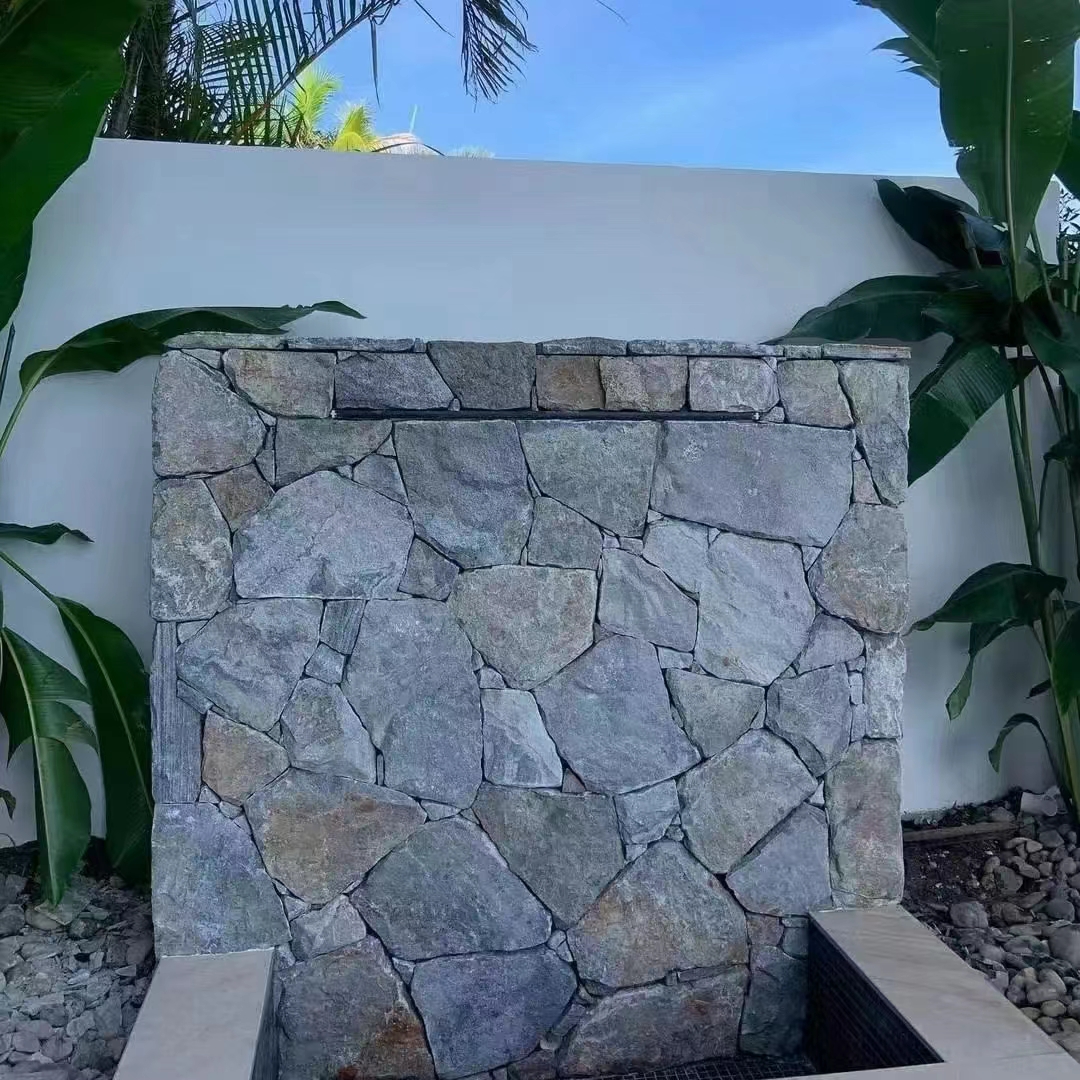
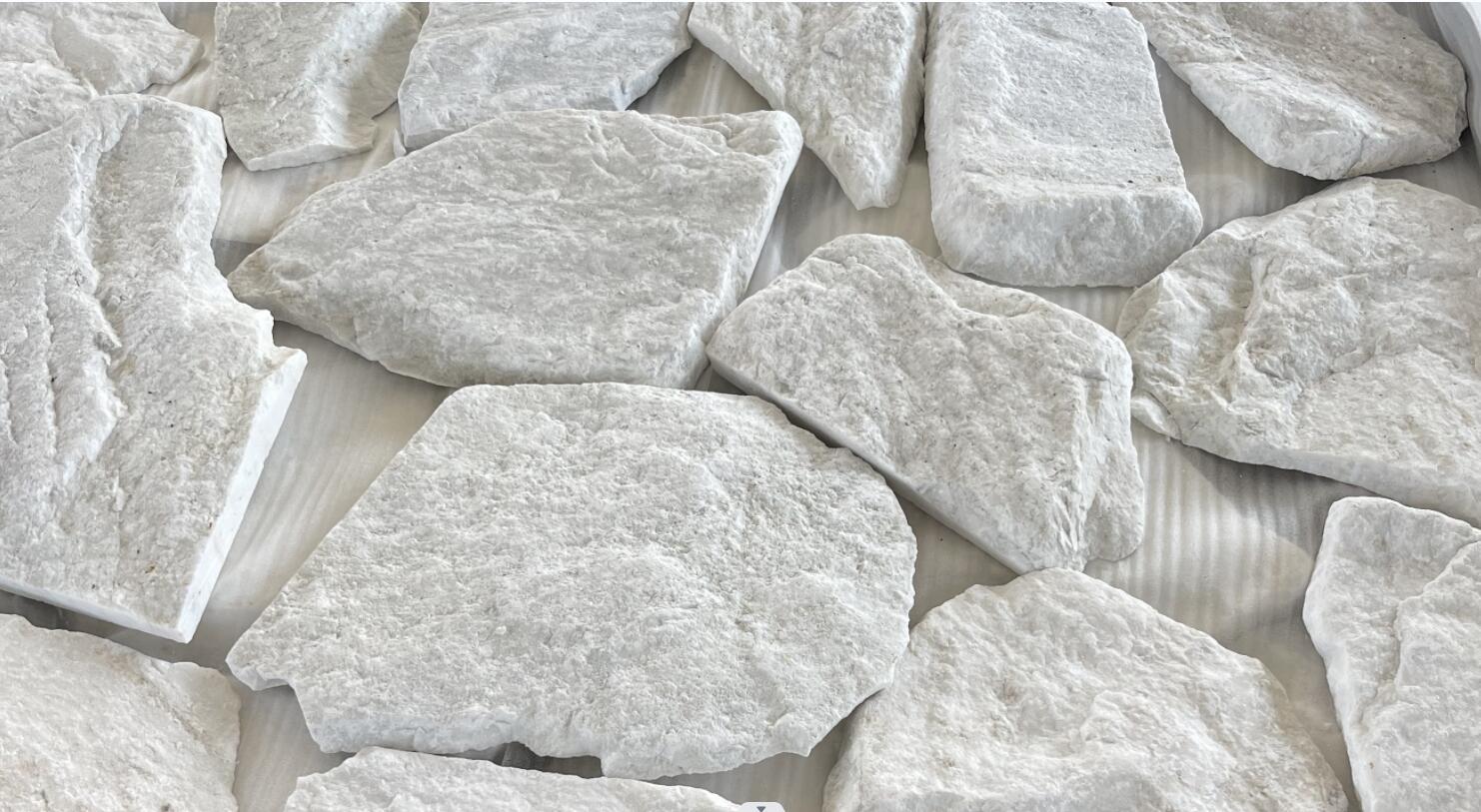
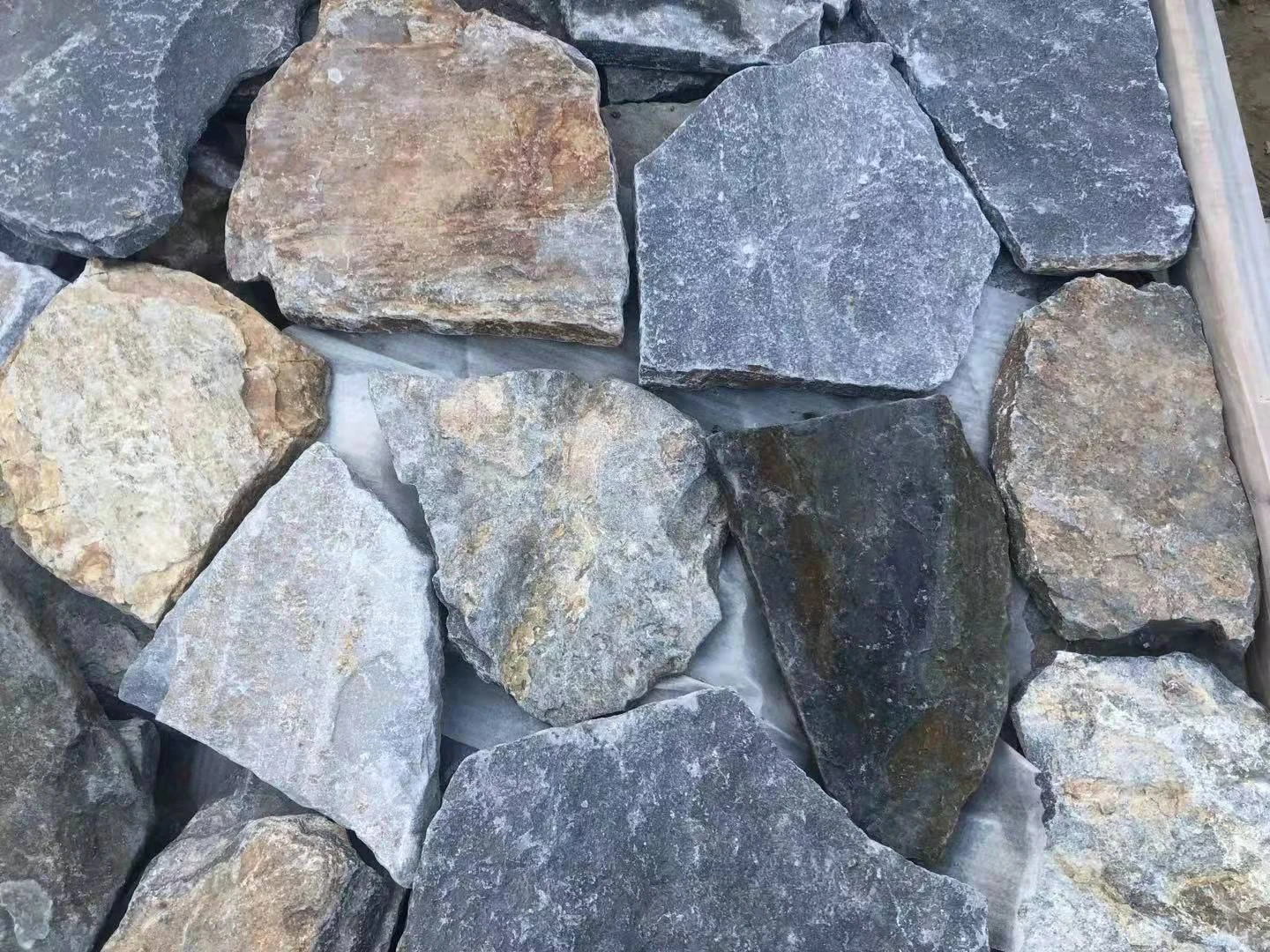
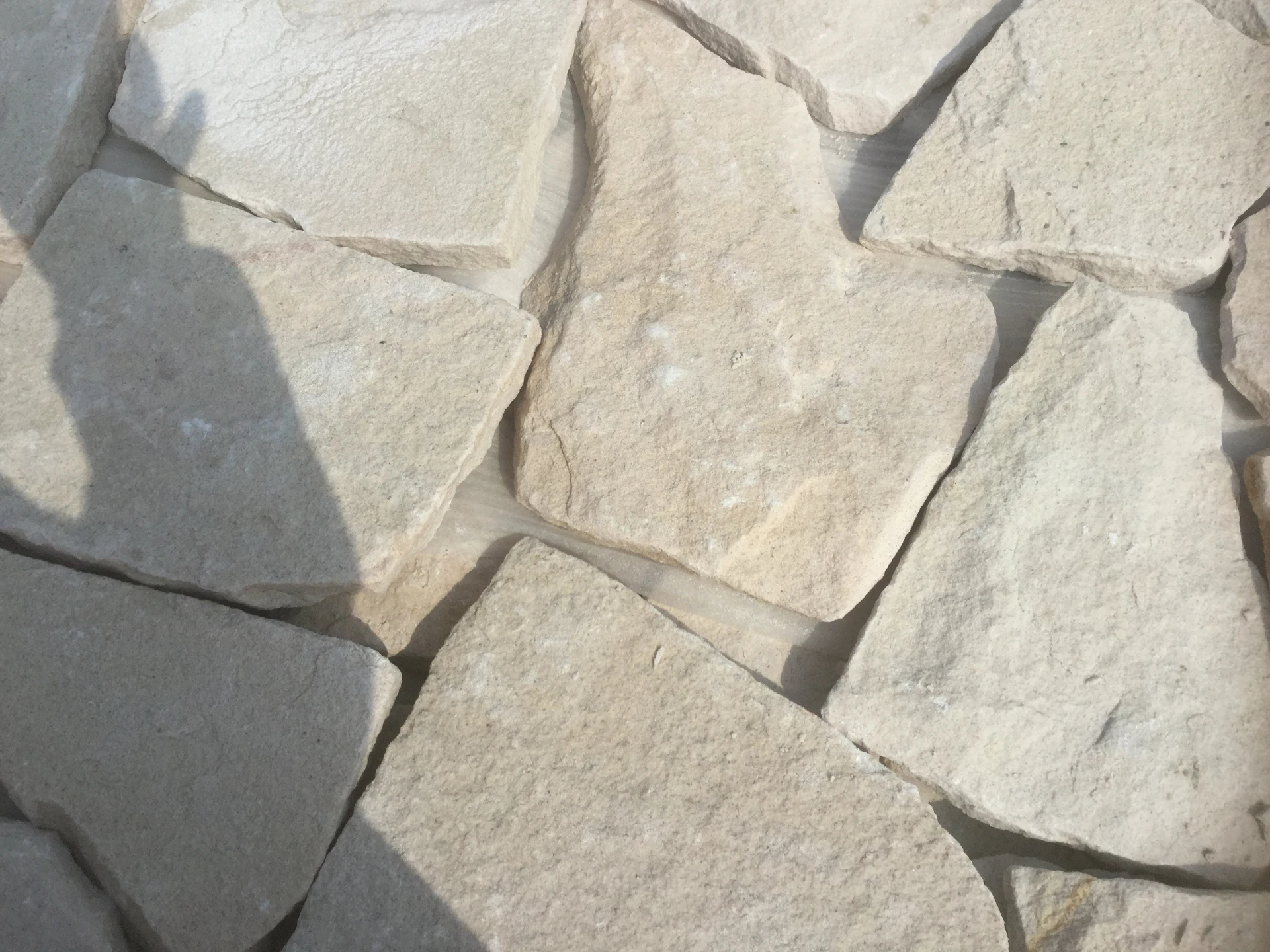
Outdoor spaces shape how we experience our environment, whether in bustling city plazas, quiet residential gardens, or sprawling industrial parks. High quality outdoor pavers have become pivotal worldwide—not just for their aesthetics but because they offer long-term resilience and sustainability. With increasing urbanization and climate challenges, selecting the right type of durable paving is more than a design choice; it caters directly to public safety, infrastructure longevity, and environmental stewardship.
Globally, the use of reliable outdoor pavers is soaring, with the paving market expected to grow significantly due to expanding urban infrastructure projects and the rising focus on green and sustainable building materials (source: ISO, 2023). Yet, this surge presents challenges: not all pavers are created equal. Poor quality materials can lead to rapid deterioration, safety hazards, and high maintenance costs.
Simply put, high quality outdoor pavers are durable, weather-resistant blocks or slabs designed for external use. They’re commonly made from materials like concrete, natural stone, or composite mixes and are engineered to withstand heavy traffic, moisture, and temperature shifts. The connection to modern industry is clear: these pavers provide the groundwork—literally—for safe walkways, parking lots, plazas, and loading bays. On a humanitarian level, they support community development by creating reliable infrastructure that lasts, often in challenging environments.
The essential trait. These pavers resist cracking, chipping, and weather damage even under intense load and freeze-thaw cycles. Their lifespan often exceeds 25 years with minimal upkeep.
Quality materials matter. Natural stones like granite or engineered concrete mixes with additives for strength are common. Some manufacturers now use recycled aggregates to enhance sustainability without compromising durability.
Safety matters. High-quality pavers often feature textured surfaces that reduce slip risks, especially under wet conditions.
From color options to shapes, good pavers provide design freedom while maintaining strength, allowing architects and planners flexibility.
Modern pavers increasingly incorporate eco-conscious elements: permeable surfaces reduce water runoff, and many use sustainable sourcing.
| Specification | Details |
|---|---|
| Material | High-density concrete, natural granite, or composite blends |
| Dimensions | Standard: 200x100x60 mm (varies by design) |
| Compressive Strength | > 50 MPa (megapascals) |
| Water Absorption | |
| Slip Resistance | High (COF ≥ 0.7) |
High quality outdoor pavers find utility across continents and sectors:
Oddly enough, the choice of pavers can sometimes mean the difference between a weather-resilient street and one that floods or cracks prematurely, costing governments millions in repairs.
| Feature | DFL Stones | StoneCraft Ltd. | EcoBuild Pavers |
|---|---|---|---|
| Material Options | Natural granite, concrete | Concrete, limestone | Recycled concrete, composite |
| Custom Sizing | Yes | Limited | Yes |
| Sustainability Certifications | ISO 14001, LEED | None | LEED, Cradle to Cradle |
| Slip Resistance | High | Moderate | High |
| Global Shipping | Yes | Regional | Yes |
Choosing high quality outdoor pavers pays off in many ways. From a financial perspective, they slash maintenance and replacement expenses. Socially, they enhance safety and comfort, which supports community wellbeing and accessibility. Ecologically, many products now integrate sustainable materials and design features like permeability to promote groundwater recharge, aligning with global climate goals (see UNFCCC).
On a more personal note, well-installed quality pavers just feel right underfoot—and that feeling matters in spaces meant to welcome and linger. From innovation to trust, these paving solutions embody modern values and practical needs intertwined.
Industry experts predict several exciting developments in this space:
Frankly, whether you’re a developer or homeowner, it’s worth following these trends closely—they’ll shape the spaces we walk on in the years to come.
Despite all the progress, challenges remain. One common issue is balancing cost and quality; high performance often comes with a higher price tag. Also, climatic extremes, like severe freeze-thaw cycles, can test even the best pavers.
Innovative solutions include modular designs that ease repairs and hybrid materials engineered specifically for local conditions. Plus, many vendors now offer guarantees and testing based on international standards (e.g., ISO 13007).
In real terms, working with reputable suppliers—such as those providing documented test results and certifications—can mitigate risks significantly.
High quality outdoor pavers represent a foundational element in resilient, sustainable infrastructure worldwide. Their durability, design flexibility, and environmental friendliness make them well-suited for everything from urban streetscapes to post-disaster reconstruction. If you’re seeking paving solutions that align with both practical needs and visionary goals, you can’t go wrong focusing on quality. For expertly manufactured and globally trusted options, consider exploring high quality outdoor pavers and transform your outdoor environments for the better.
Mini takeaway: Investing in premium outdoor pavers may cost a bit more upfront, but it pays dividends in safety, aesthetics, and sustainability in the long run.