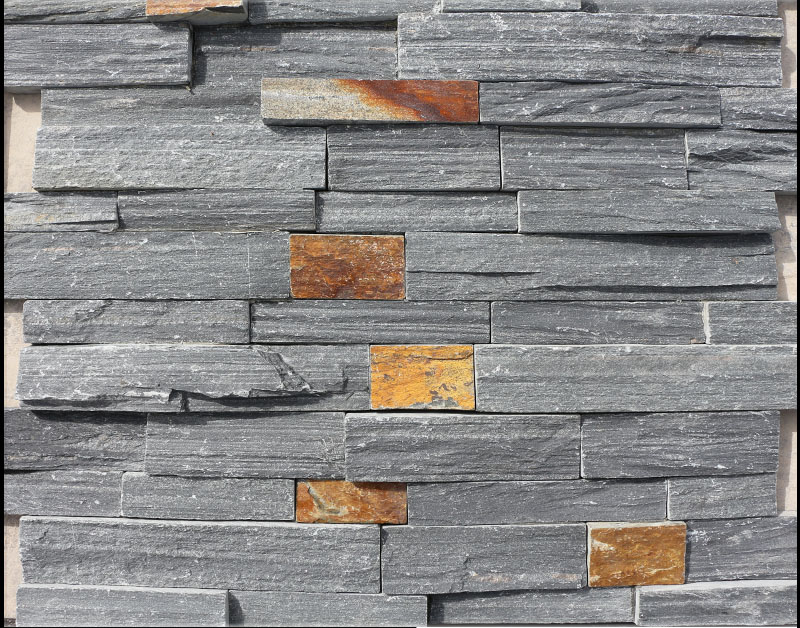
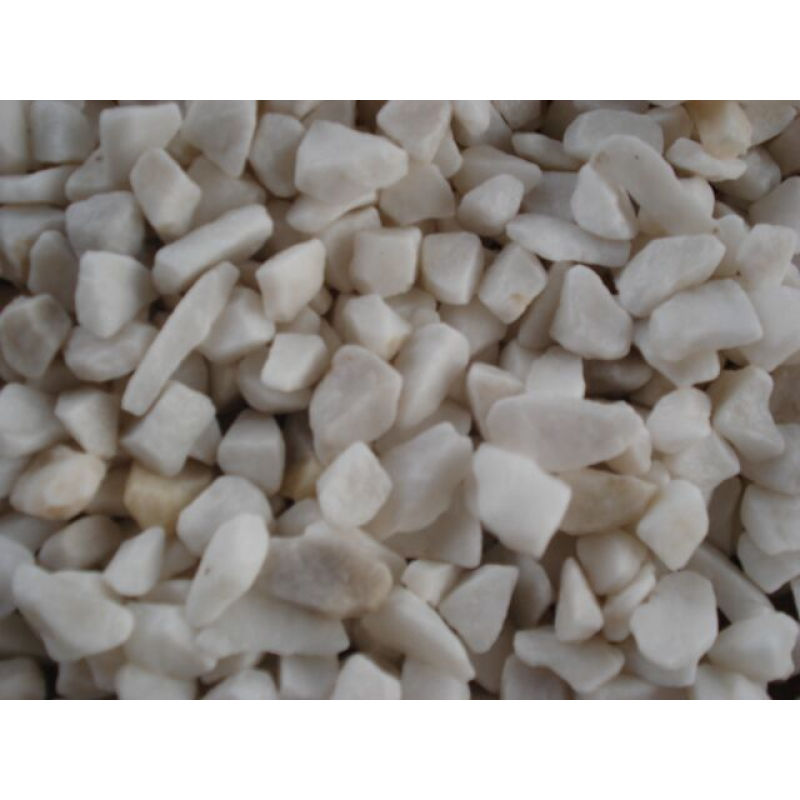
If you’ve ever priced pathways or patio decks and wondered who’s really behind the stone, you’re not alone. After two decades poking around quarries and fabrication sheds, I still get surprised. For anyone scouting irregular flagstone patio suppliers, here’s the straight talk—plus testing data, specs, and a few field notes from recent builds.
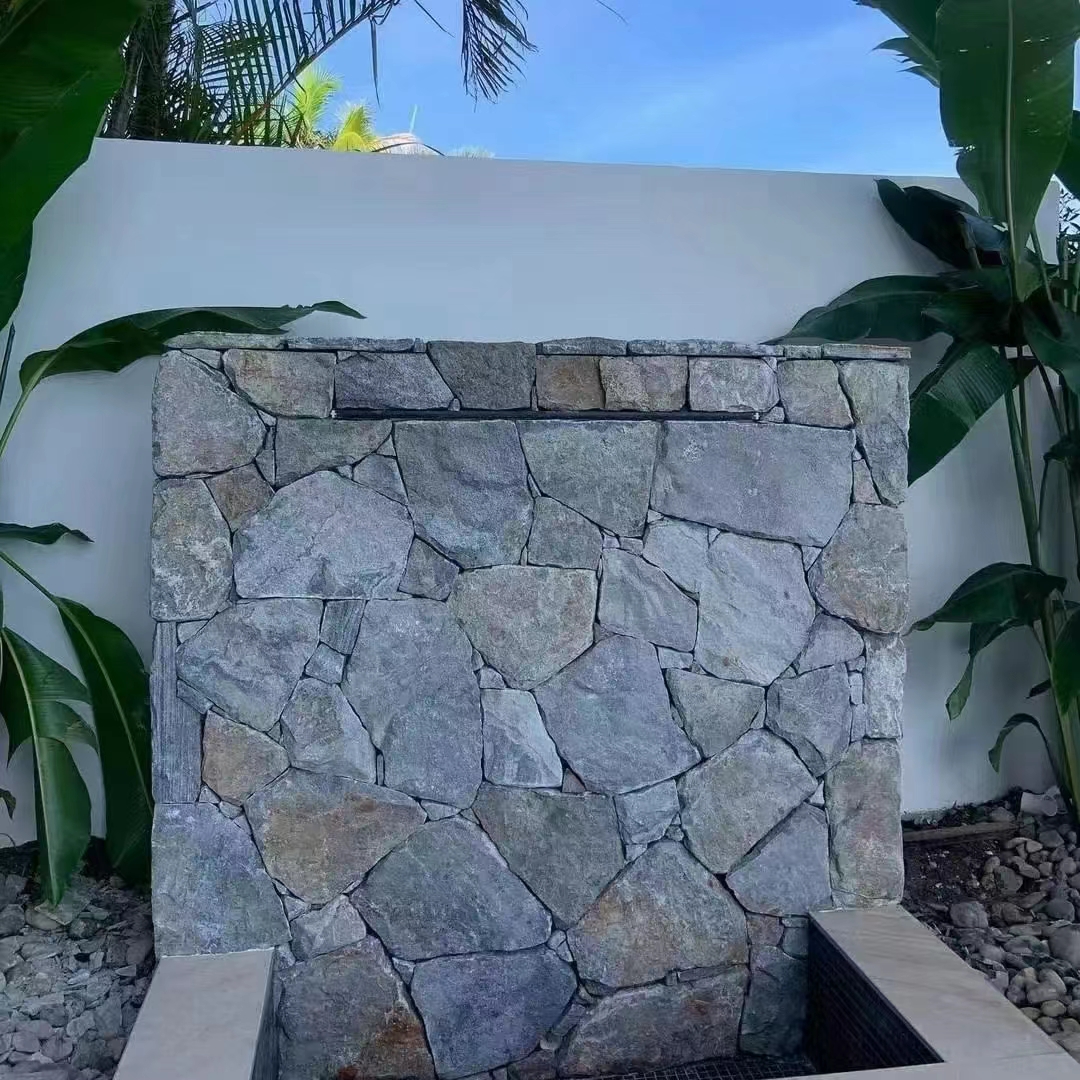
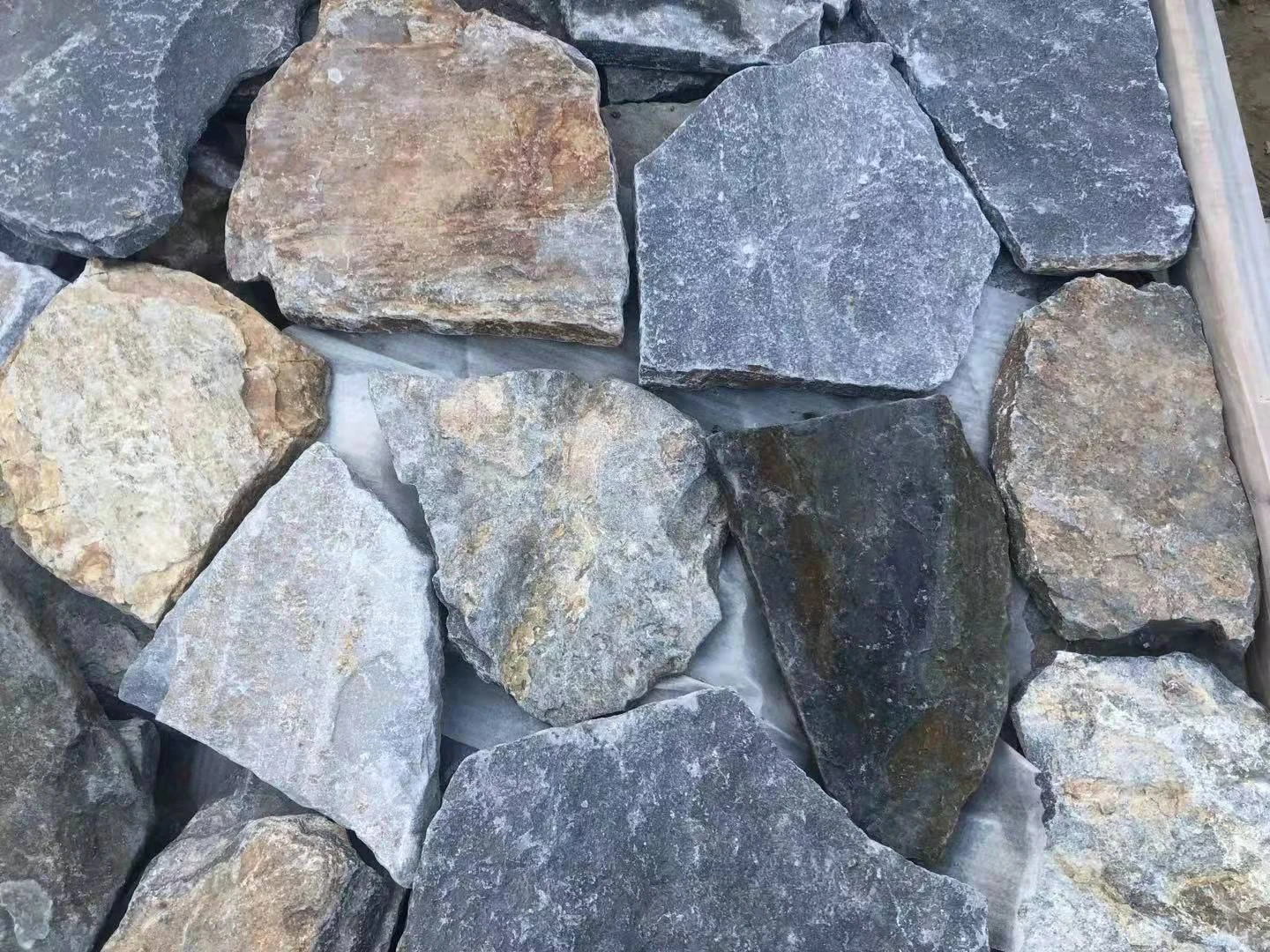
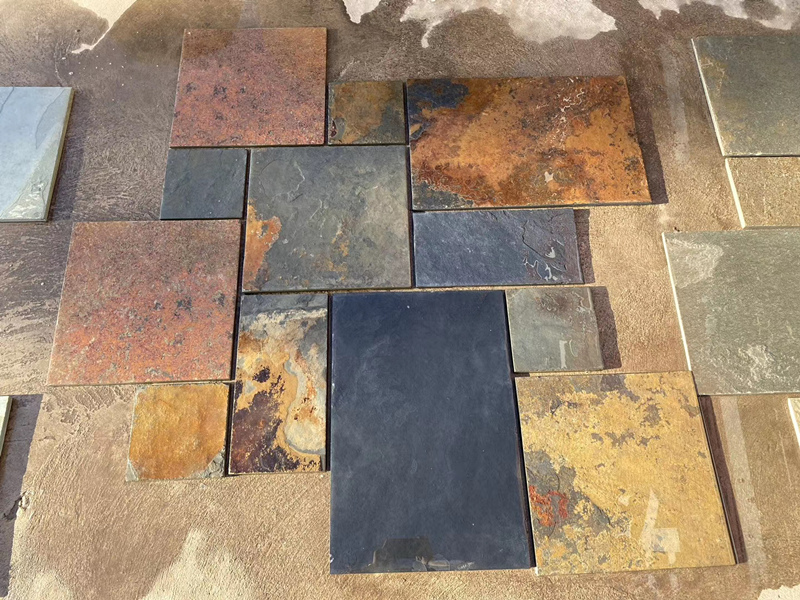
One product I revisited this season is “Natural Rusty tiles for yard,” shipped from 1111-1112, Sinotrans Building, No.368, North Youyi Street, Shijiazhuang City, 050071 China. The range looks traditional on the surface—hand-split faces, rugged cleft—but the machining behind thickness control is better than it used to be. Actually, much better.
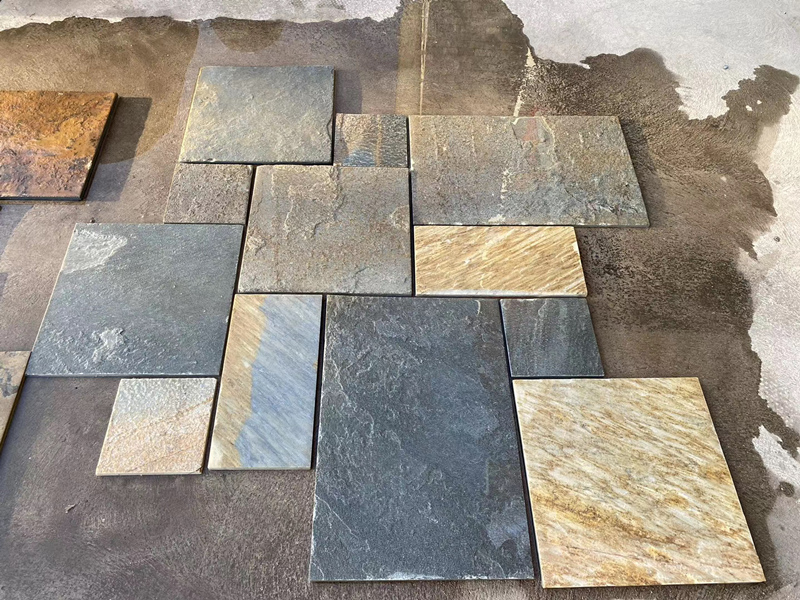
- Warmer palettes (California red, golden white) are edging out gray-only schemes. Designers say it “photographs better,” which, to be honest, matters now.
- Thinner calibrated pieces (≈1.0–2.0 cm) over concrete slabs; thicker random slabs for sand set. Both have their place.
- Pre-sealing at the factory—saves a headache onsite, especially for hospitality decks with fast turnarounds.
| Product | Natural Rusty tiles for yard (irregular/cut) |
| Typical sizes | 30×30×(1.0–1.5) cm; 30×60×(1.0–1.5) cm; 40×40×(1.2–1.8) cm; 60×60×(1.5–2.0) cm; custom sets available |
| Stone options | 100% natural slate (standard); also quartzite, sandstone, limestone, granite |
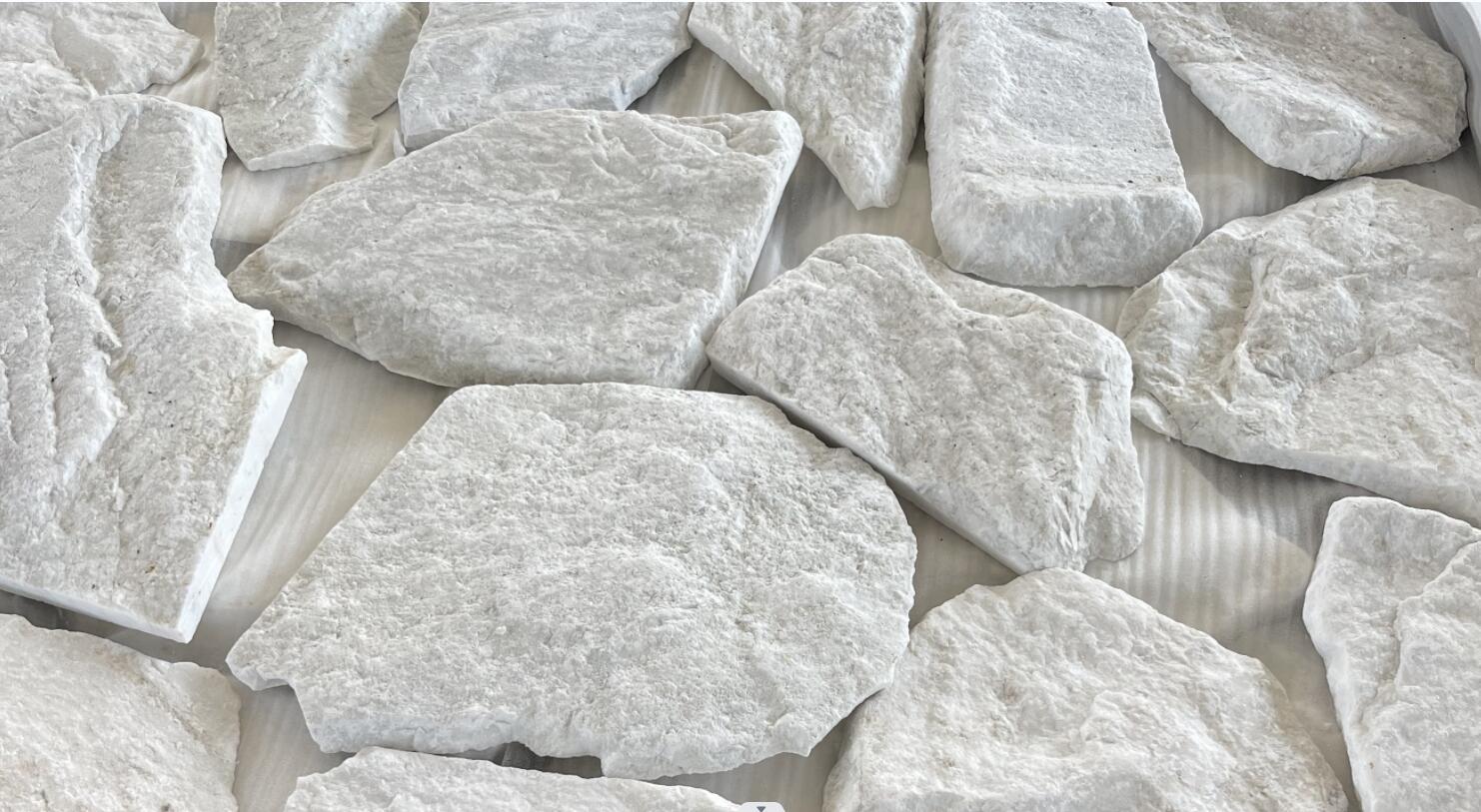
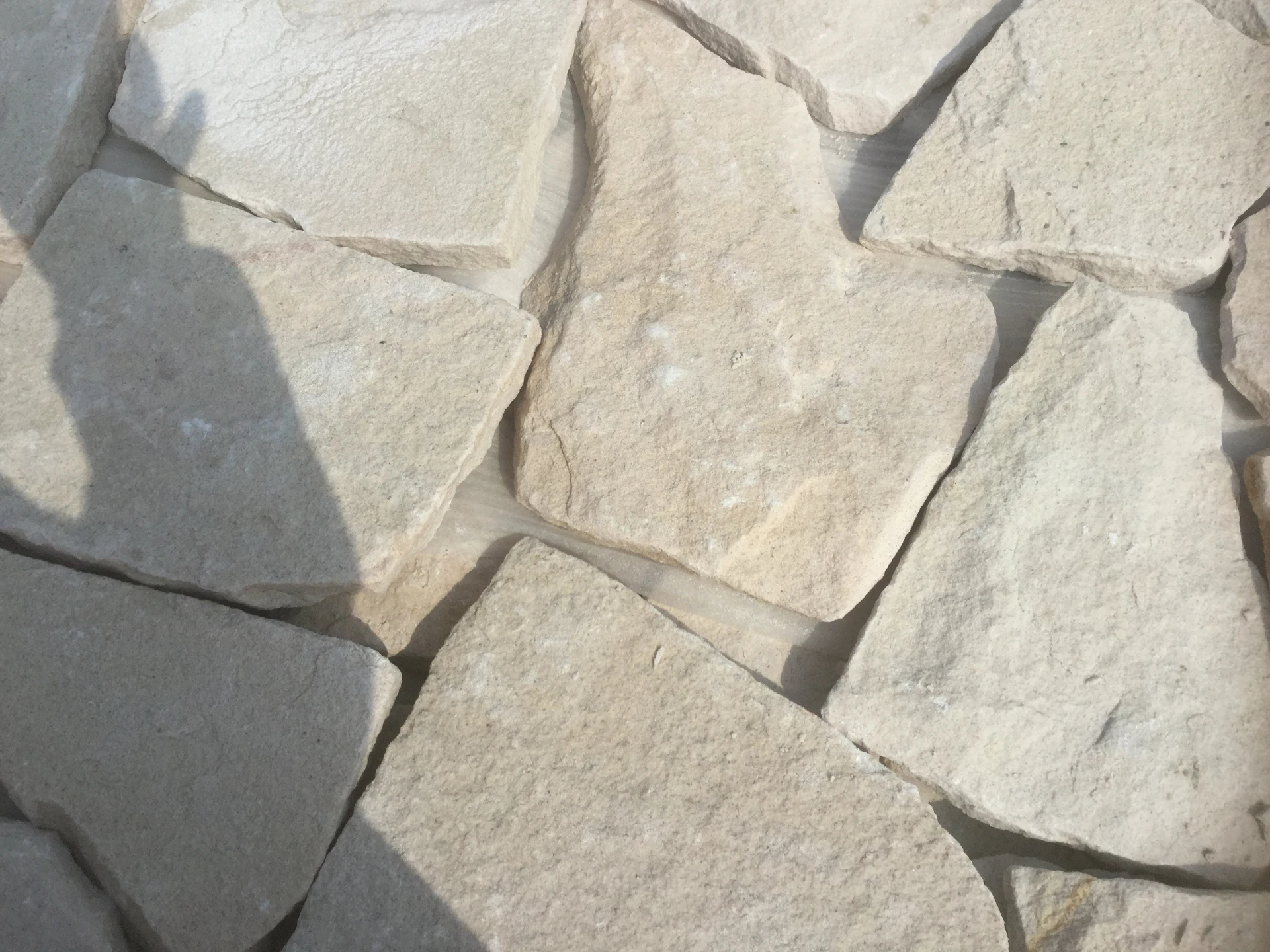
| Colorways | California red; golden white; purple; green; black; white; pink (tones vary naturally) |
| Surface/edges | Natural cleft; hand-chiseled or sawn edges; calibration available |
| Water absorption (ASTM C97) | Slate ≈ 0.8–2.5% (real-world use may vary by quarry) |
| Compressive strength (ASTM C170) | Slate ≈ 80–150 MPa; granite higher; sandstone varies |
| Slip resistance (EN 14231) | Cleft finish typically high; test onsite when sealed |
| Packaging | Cartons in wooden crates or direct wooden crates |
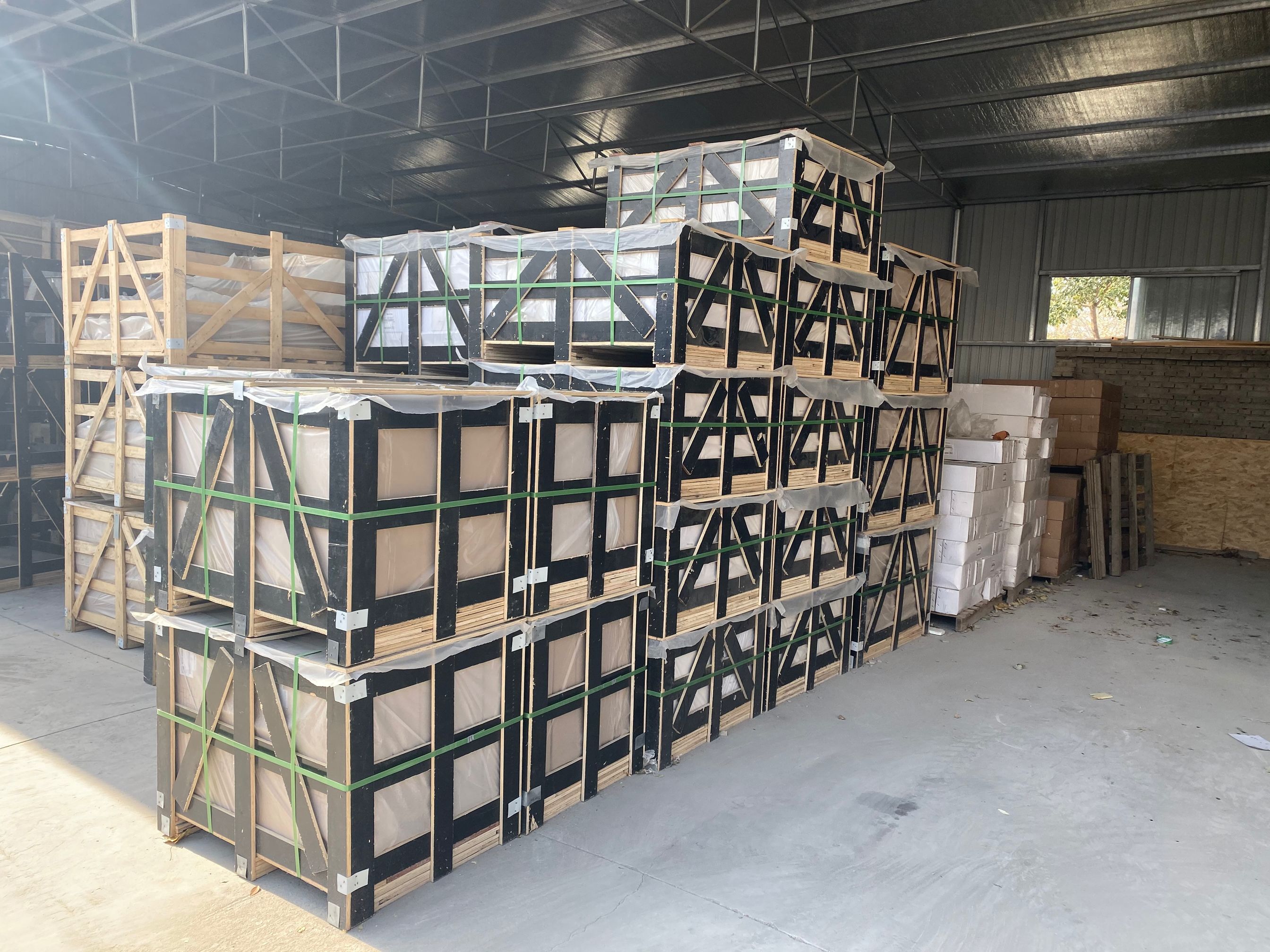
Quarry selection → block splitting → hand dressing → thickness calibration → optional tumbling → rinse/dry → pre-seal (optional) → crate. QA includes dimensional checks (±2–3 mm typical on calibrated tiles), visual grading, and periodic lab tests to ASTM C97/C170 and freeze-thaw cycling akin to ASTM C666 for cold climates. With proper base prep and sealing in de-icing regions, service life can exceed 25–40 years; granite sets go longer. Many customers say the color “sets” after the first season—normal patina.
- Residential patios, garden paths, pool surrounds (confirm slip tests when sealed).
- Hospitality courtyards and rooftop decks (lighter gauges over concrete).
- Municipal walkways and pocket parks, with EN 1341 compliance on paving flags.
| Vendor | Provenance | Thickness tolerance | Lead time | Certs/Standards | Notes |
|---|---|---|---|---|---|
| DFL Stones | China (multiple quarries) | ≈ ±2–3 mm (calibrated) | 4–6 weeks typical | ASTM/EN test reports on request; ISO 9001 at plant (ask) | Strong color range; competitive crate loading |
| Regional Quarry Co. | Local slate/sandstone | ±3–5 mm | 2–4 weeks | EN 1341 conformity | Fast shipping, fewer colors |
| BigBox Importer | Mixed (global) | ±3–6 mm | Stock-dependent | Basic COF data only | Price-led; verify batches |
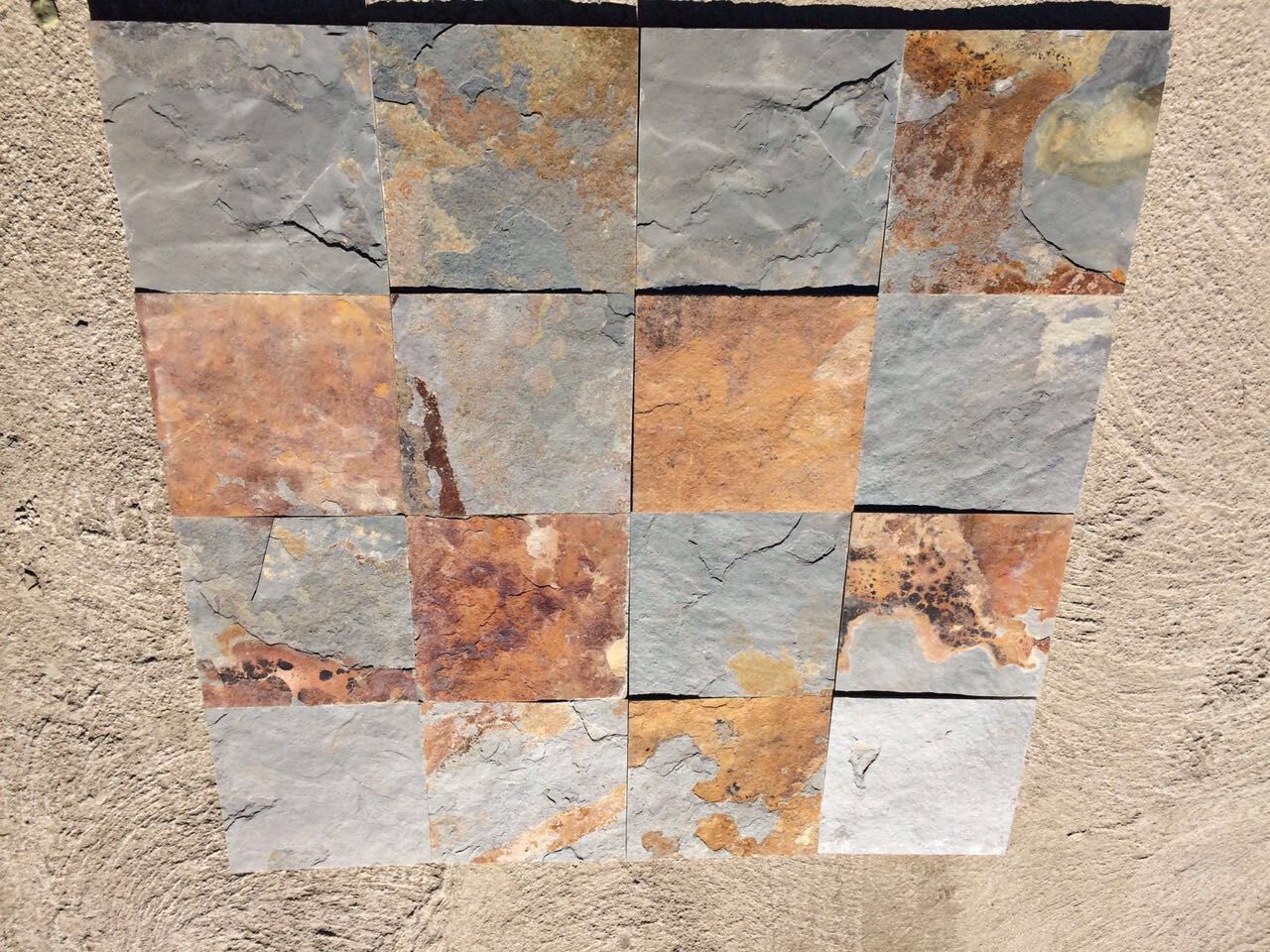
Custom modules, edge styles, and pre-seal options are handy. For sand-set builds, spec geotextile plus a well-compacted base; for slab-on-grade, a polymer-modified thinset over properly cured concrete works. I guess it’s obvious, but dry lay for blend—color variation is the charm.
- Boutique hotel courtyard, 420 m²: California red slate, calibrated 15 mm, factory pre-sealed. Facility team reported “easy mop-down, no flaking” after a salty winter.
- Suburban patio, 65 m²: mix of golden white and green. Homeowner said neighbors kept asking for the supplier—always a good sign.
If you’re shortlisting irregular flagstone patio suppliers, look for recent ASTM/EN test summaries, freeze-thaw data for your climate zone, and crate photos. Small details, big differences.