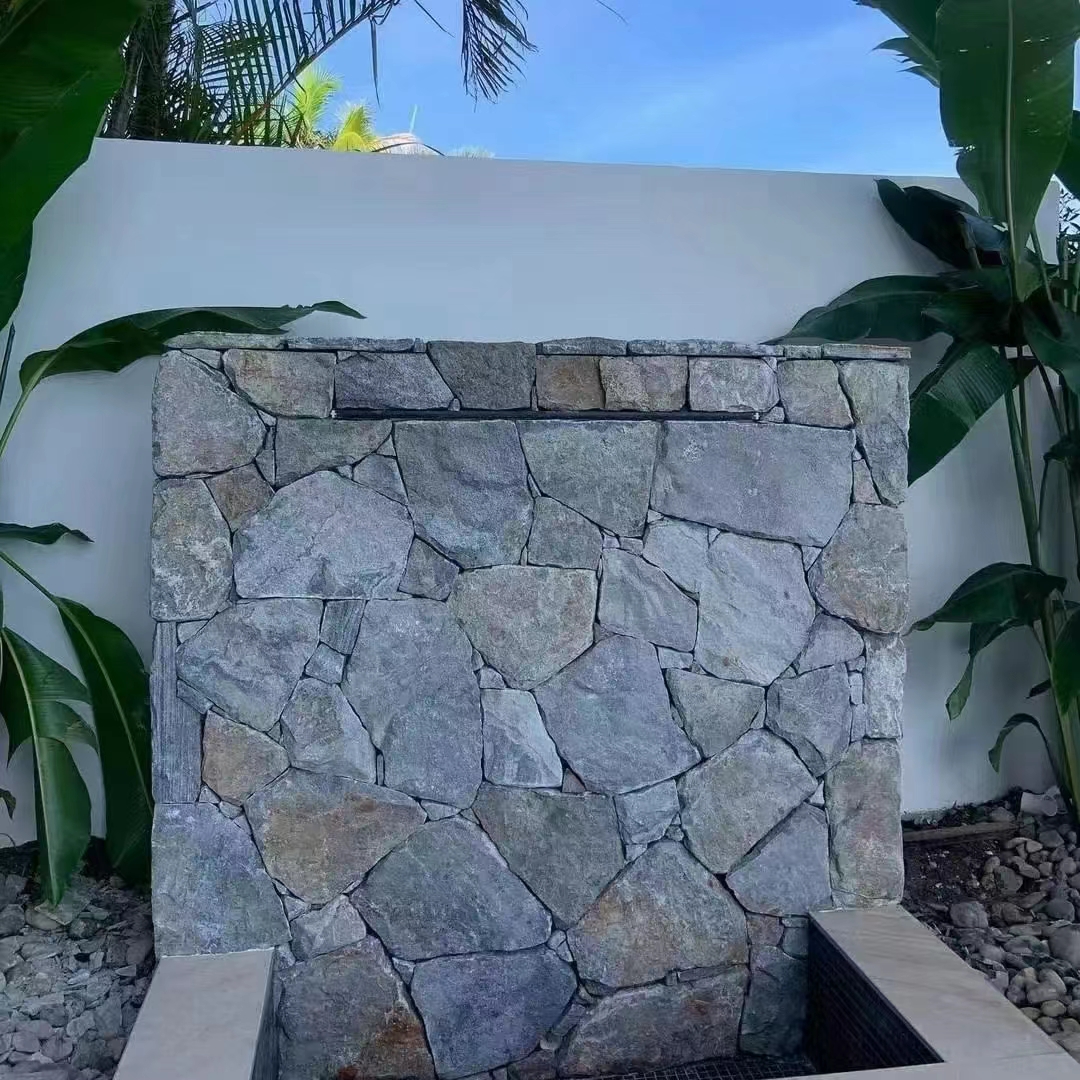
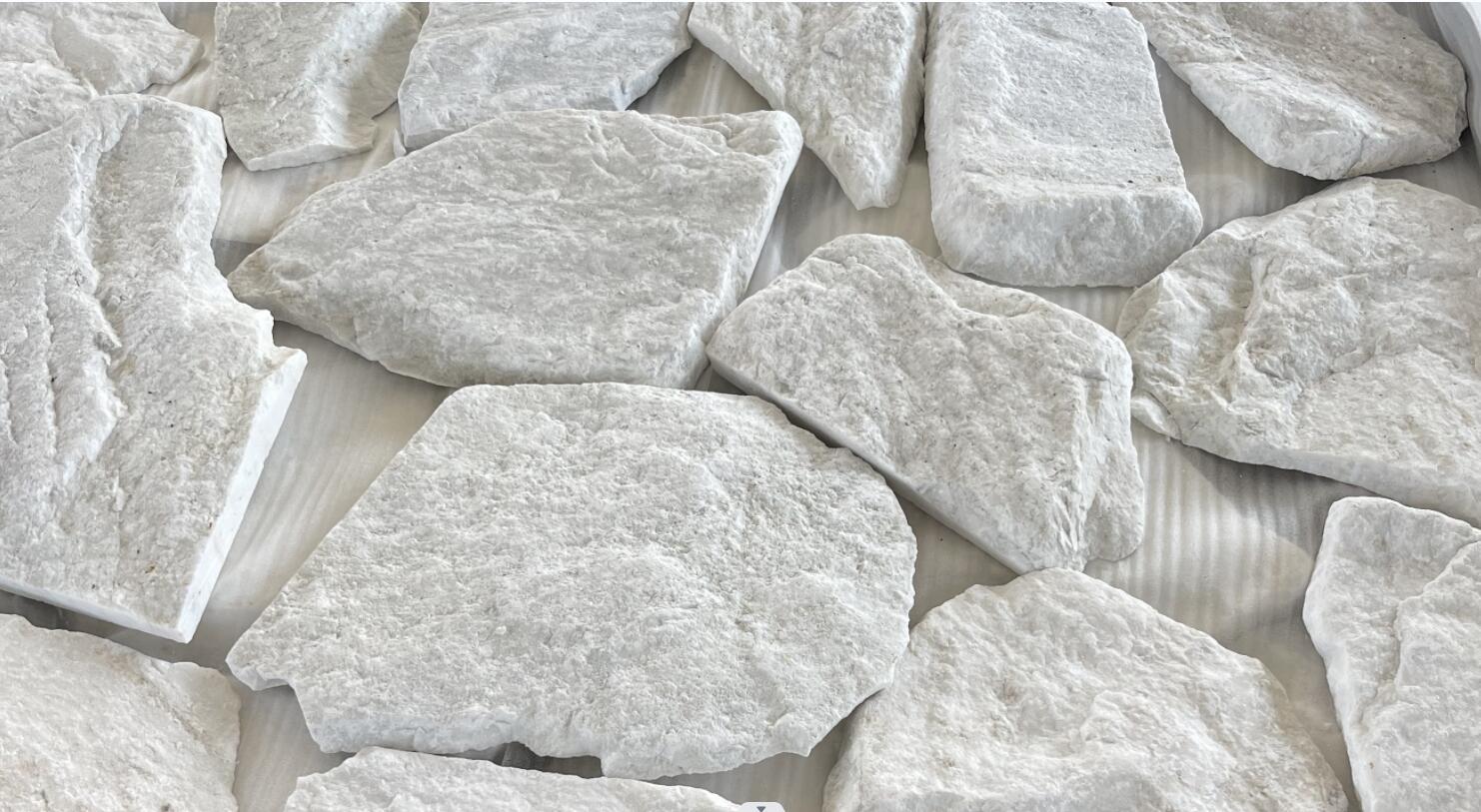
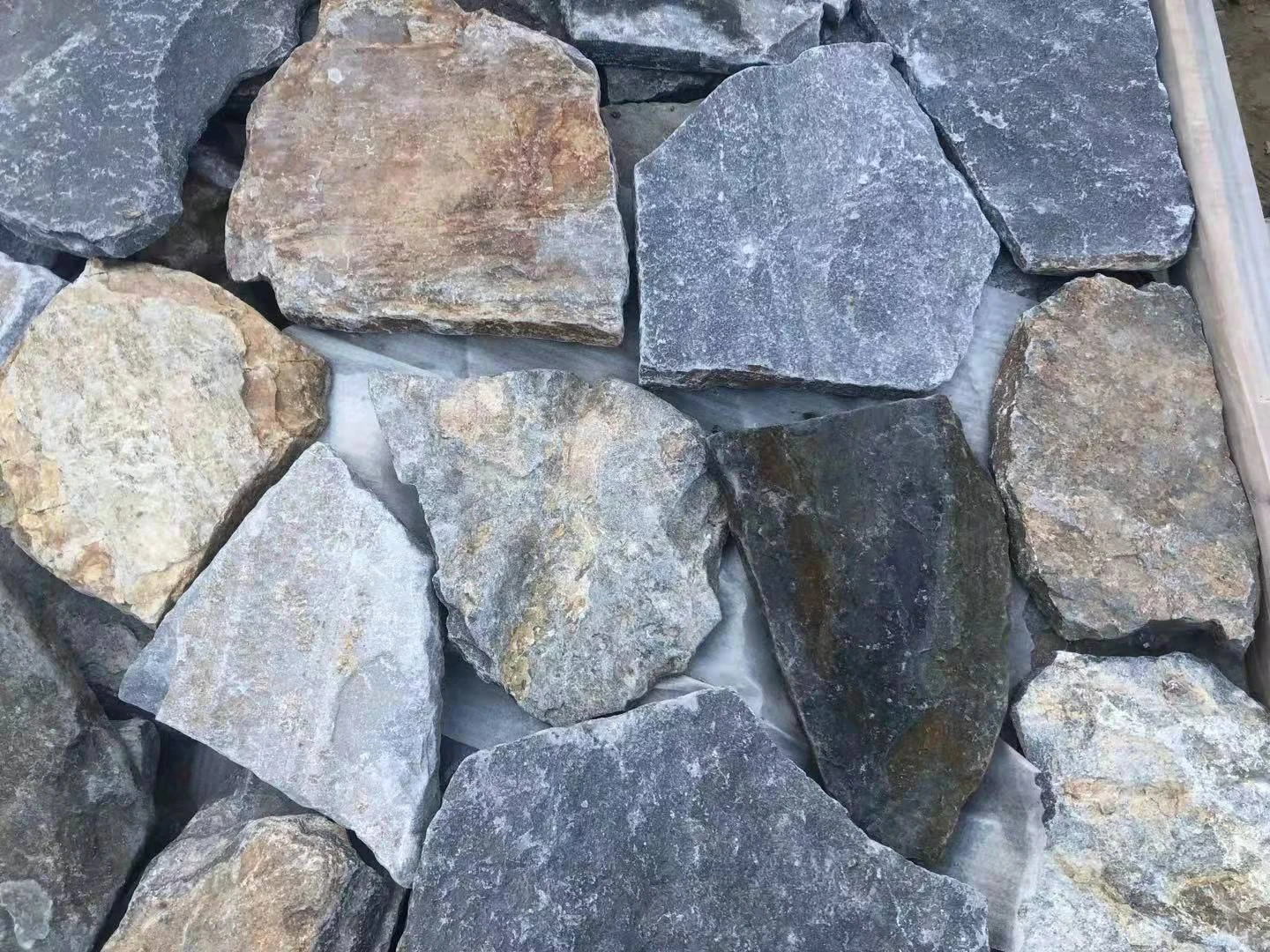
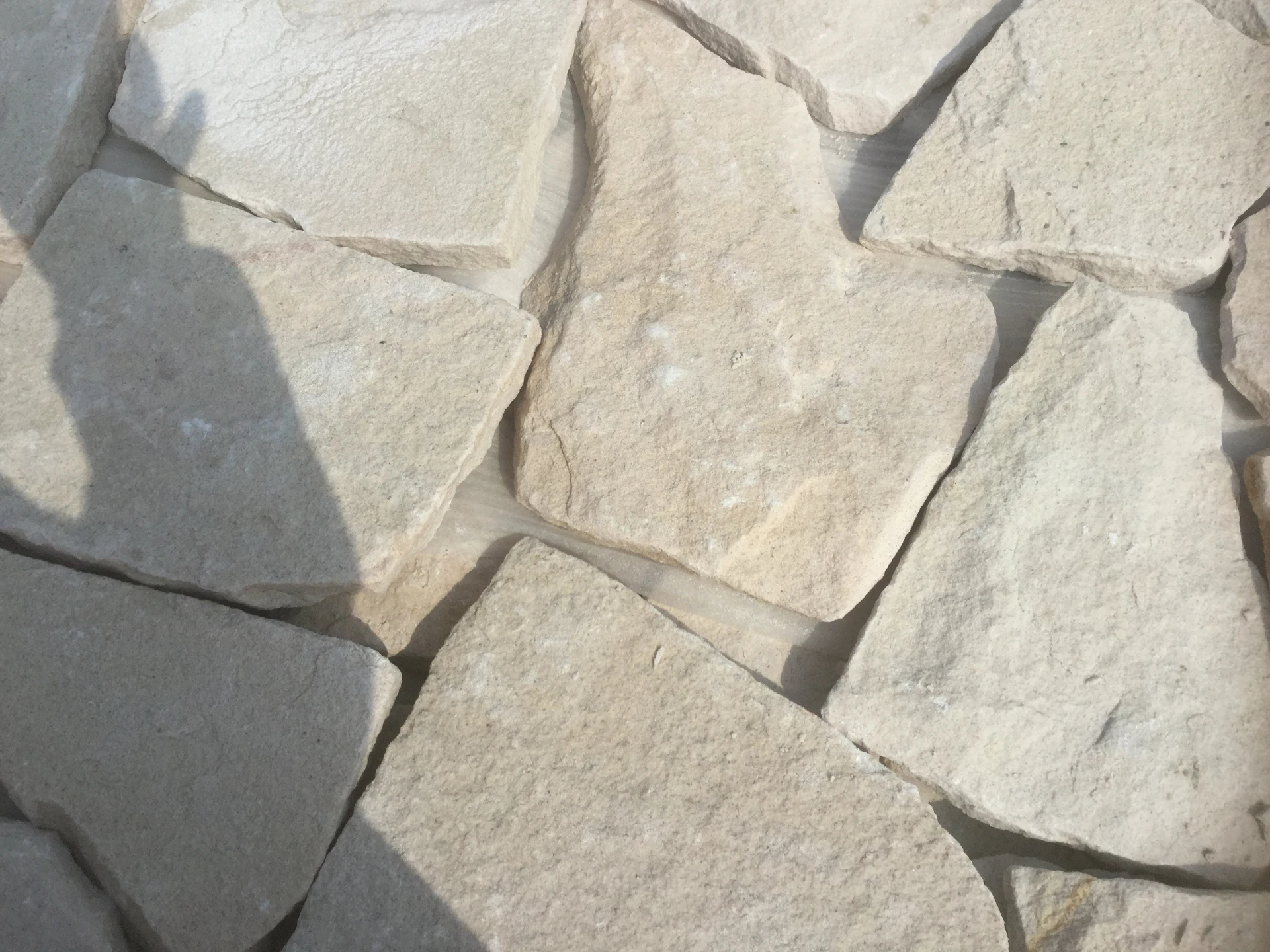
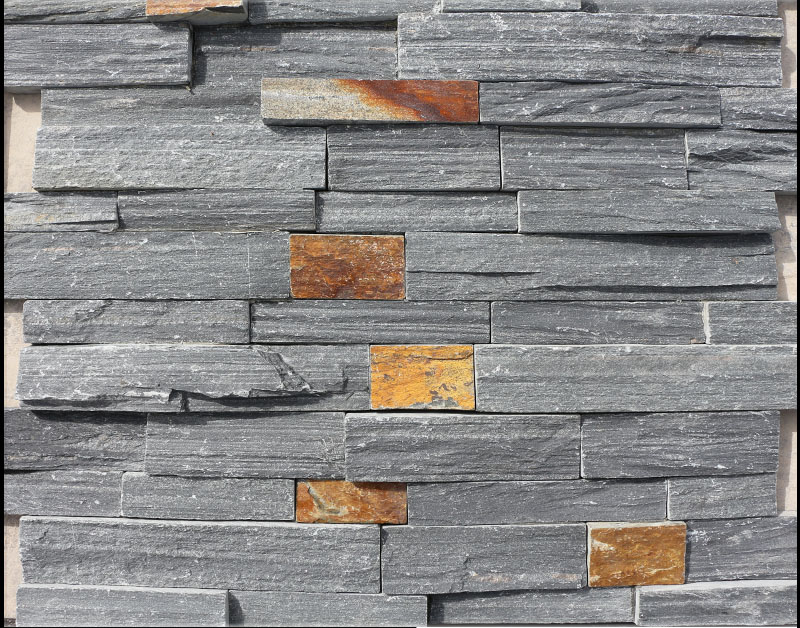
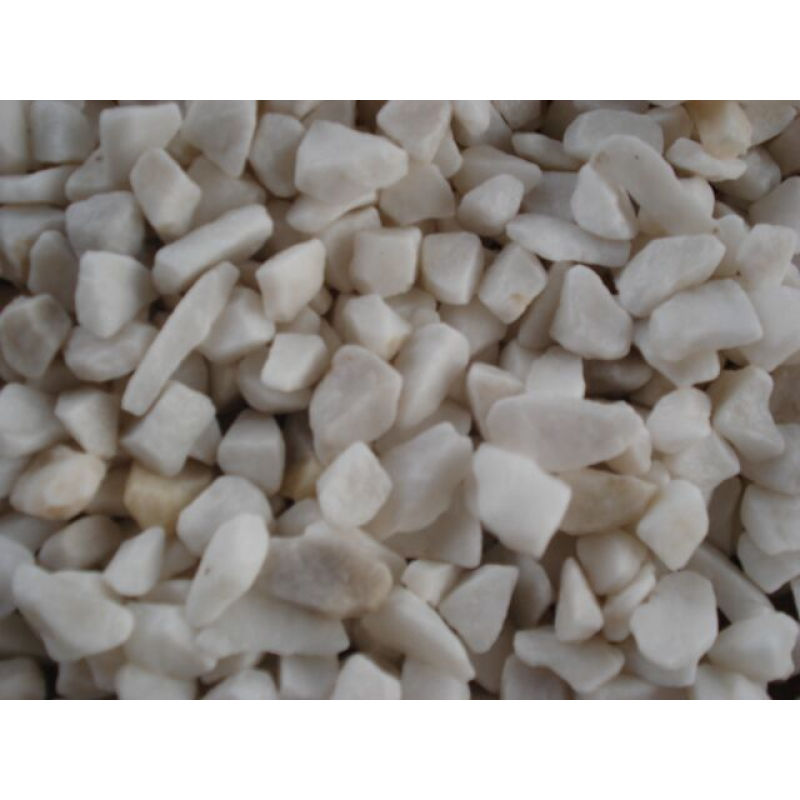
Stone veneer might sound pretty niche, but it's become a global game-changer in construction and design. Why? Because these thin, applied layers of stone add natural beauty and protection without the bulk or cost of solid stone walls — and frankly, that’s a big win internationally. From sustainable building efforts in Europe to disaster-resilient facades in Asia, understanding high quality stone veneer means grasping a material that balances aesthetics, durability, and affordability on a worldwide scale.
According to the United Nations Environment Programme, the construction sector accounts for nearly 40% of global energy use and a similar share of greenhouse gas emissions. This pushes architects and builders to opt for materials that offer longevity with a lighter environmental footprint. High quality stone veneer fits right into this narrative. It provides a natural, low-impact finish while being far less resource-heavy than quarried stone blocks.
Plus, with urban populations booming (the World Bank estimates 68% of people living in cities by 2050), materials like stone veneer help meet growing demand for durable, scalable housing solutions without the hefty costs or delays traditional masonry entails. Yet, challenges like climate resilience and supply chain issues make quality and specification crucial.
To put it simply, stone veneer is a thin slice of natural or manufactured stone designed to be affixed to building exteriors or interiors, mimicking the look and feel of solid stone walls. It's usually 1–2 inches thick and lighter than full stone blocks, which reduces structural load. The “high quality” bit means the veneer comes from rigorously selected stone types, precision cut, and finished to exacting standards ensuring durability, uniformity, and aesthetic value.
This plays into modern needs — from preserving architectural heritage with authentic finishes to upgrading energy-efficient building envelopes. Stone veneer offers that perfect blend of style and substance, frequently used in residential, commercial, and humanitarian construction contexts.
Good stone veneer resists weathering, moisture, and UV rays far better than cheaper or poorly processed materials. That’s essential for buildings exposed to harsh climates, from torrential rain in Southeast Asia to freeze-thaw cycles in Canada.
The lighter weight compared to natural stone blocks makes high quality veneer feasible for retrofits, modular walls, and rapid construction. It scales well across diverse project sizes — be it a villa facade or a large commercial complex.
While not the cheapest option, premium stone veneer cuts down both direct (labor, materials) and indirect (long-term maintenance) costs, especially when factoring in durability and energy performance.
A wide palette of colors, textures, and finishes lets designers tailor veneer to match various architectural styles or brand identities without the unpredictability of natural stone.
High quality stone veneer can often be sourced regionally, reducing transportation emissions and supporting responsible quarrying practices aligned with ISO 14001 Environmental Management standards.
| Feature | Standard Range | Industry Benchmark |
|---|---|---|
| Thickness | 1-2 inches (25-50 mm) | 1–2 inches |
| Material Types | Limestone, Slate, Granite, Sandstone | Natural and Engineered Stone |
| Water Absorption | ||
| Flexural Strength | 7-12 MPa | 6-14 MPa |
| Fire Resistance | Class A (ASTM E84) | Class A or better |
Stone veneer has rippled through markets everywhere, and it's fascinating how versatile its applications are. In North America and Europe, luxury homebuilders love it for that authentic, upscale look without the heavy lifting. Meanwhile, in unpredictable climates like Australia’s coastal cities, stone veneer acts as a weatherproof shield.
In parts of Africa and Asia, NGOs and engineers use stone veneer on community buildings because it provides a dignified finish while requiring less structural reinforcement — a big plus in resource-scarce settings. Oddly enough, even in fast-growing urban centers of South Asia, veneer facades have become a trend because of their fast installation times and sustainability credentials.
| Vendor | Material Quality | Price (per m²) | Lead Time | Sustainability Certs |
|---|---|---|---|---|
| StoneCraft Ltd. | Premium Limestone & Slate | $75–$90 | 3–5 weeks | ISO 14001 |
| Global Veneers | Mixed Granite & Sandstone | $60–$80 | 2–4 weeks | Environmental Product Declaration (EPD) |
| EcoStone Supplies | Engineered Stone Blend | $55–$70 | 4–6 weeks | LEED Certification Support |
It also feels like investing in trust and innovation — you’re not only building for today but future-proofing structures against environmental and design challenges. That peace of mind is often underrated.
Emerging innovations include integrating stone veneer with digital fabrication for customized architectural patterns, and using recycled or waste stone to cut down quarrying pressures. Some companies even blend stone veneer with photovoltaic cells to turn facades into clean energy producers. Sustainability and green certifications will continue to steer the industry, with more automation in installation speeding up projects.
Sure, stone veneer has its pitfalls. Installation requires skilled labor to ensure weatherproof joints and proper adhesion—cutting corners here can lead to costly repairs. Supply chain delays or inconsistent stone batches can also stall projects. Thankfully, modern suppliers provide detailed product documentation and training to mitigate these risks. Plus, modular veneer panels are gaining traction to simplify installation.
High quality stone veneer is more than just a pretty face for buildings; it’s a smart investment combining durability, style, and sustainability on a global scale. For anyone in construction or design aiming for elegance without compromise, it’s worth a close look. If you want to explore premium options with proven suppliers who put quality and environmental standards front and center, visit https://www.dfl-stones.com to get started.
Here’s to building with purpose and beauty — one stone veneer panel at a time.